Wet dog paw print. Why it is important to wash cocker spaniel paws after each walk / English cocker spaniel grooming tips and advice / cocker spaniel puppy / first published on Perfect cocker spaniel blog

3 reasons to wash your dog’s paws after a walk

I know many people who think that it’s not essential to wash dog’s paws after each walk unless they are covered in mud.

Well, my pups get a paw wash or rinse as soon as we get indoors. Funnily enough, they love it and often refuse to do anything else until the paws are clean and dry.

I am not a germophobe. But I do have my reasons. And here are the three main ones…

Actual mud and dirt. Even if the paws don’t look soaked in mud, they are still dirty. Having dogs running around the house and sleeping in my bed is the same as me sleeping in my bed with my shoes on. Not particularly hygienic.

Parasites & harmful bacteria. Some larvae, viruses and bacteria that are harmful to dogs can survive in the soil for months and stick to dog’s paws once walked on. If the dog licks his paws afterwards he is at higher risk of ingesting these and developing anything from intestinal parasites to infectious diseases.

Toxic substances. In spring and summer the grass may be covered with pesticide residue that is toxic to dogs and can be lethal. In autumn and winter the path is often sprinkled with salts that can cause irritation, cracked paws and, if the dog licks it off, upset stomach, vomiting and even death.

What about do? Do you wash your dog’s paws or leave it au naturel?

Photo source: image by PublicDomainPictures from Pixabay
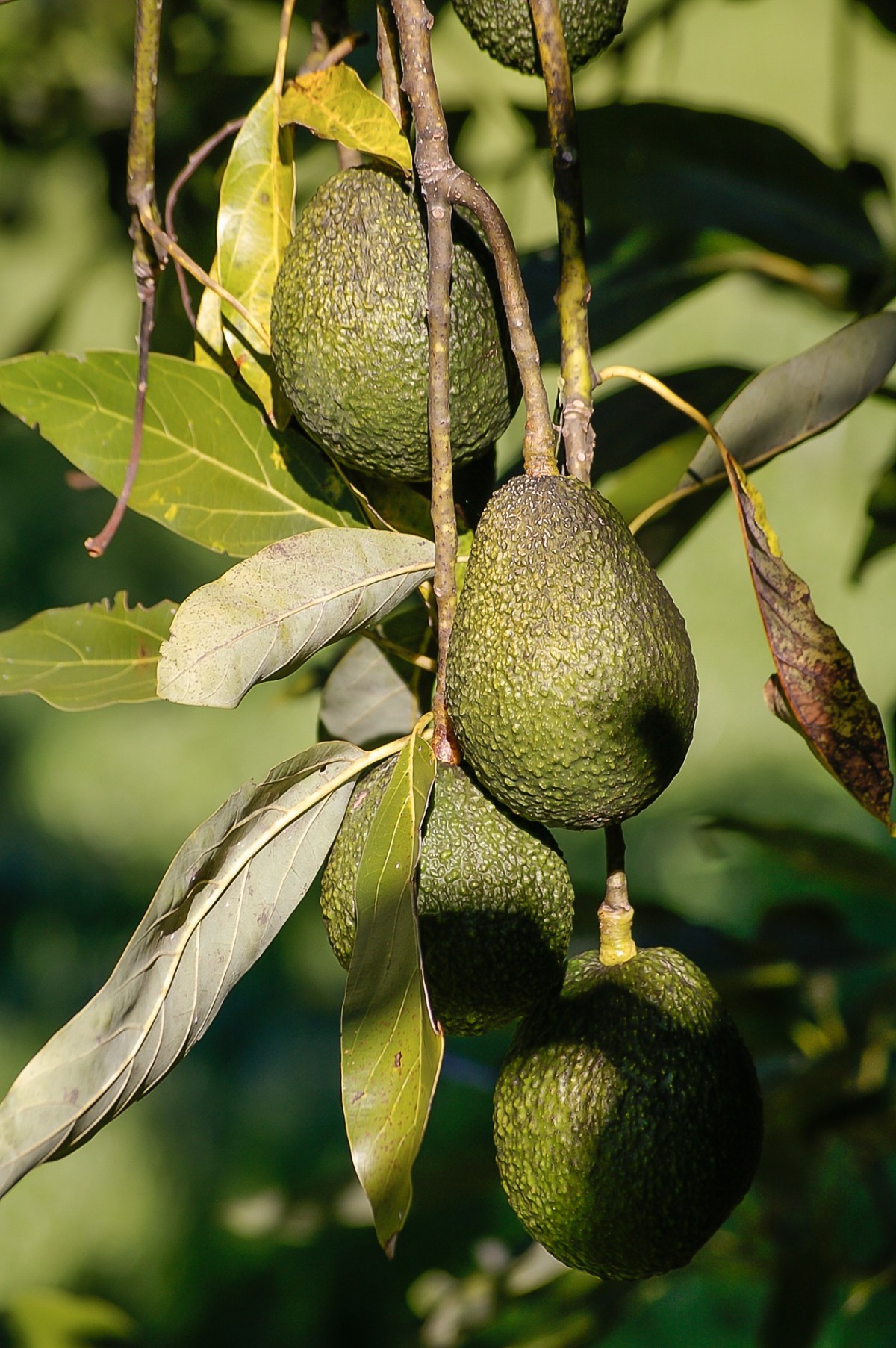
 

Avocado toxic or not for dogs and why, avocado in dog diet safety concerns / First published on Perfect cocker spaniel blog / Image by sandid from Pixabay

Q&A | Avocado: yes or no?

I receive so many questions about avocado in dog’s diet, so I thought I’d share it here since yesterday was a #nationalavocadoday.

Lately avocado was said to be safe for dogs. However before you go head think of the following…

… avocado contains persin, a toxic substance found in the skin, right under the skin, in the stone and the bark of avocado;
… the LIGHT green flesh of the fruit is low in persin, however it is difficult to ensure that the light green won’t be mixed with the DARK green flesh found under the skin of the fruit, thus increasing the risk of poisoning;
… if a dog has avocado he’s likely to have upset stomach or vomiting;
… in addition the stone can not only be more toxic if crushed by a dog, but also get stuck in the throat or digestive tract, which can be fatal;
…high fat content of avocado can increase risk of pancreatitis.

Personally, I would not risk it. I also do not believe that something that was once deemed very toxic for pooched was suddenly given a green light. It feels more like a trend, not something supported by research.

Photo source: image by sandid from Pixabay

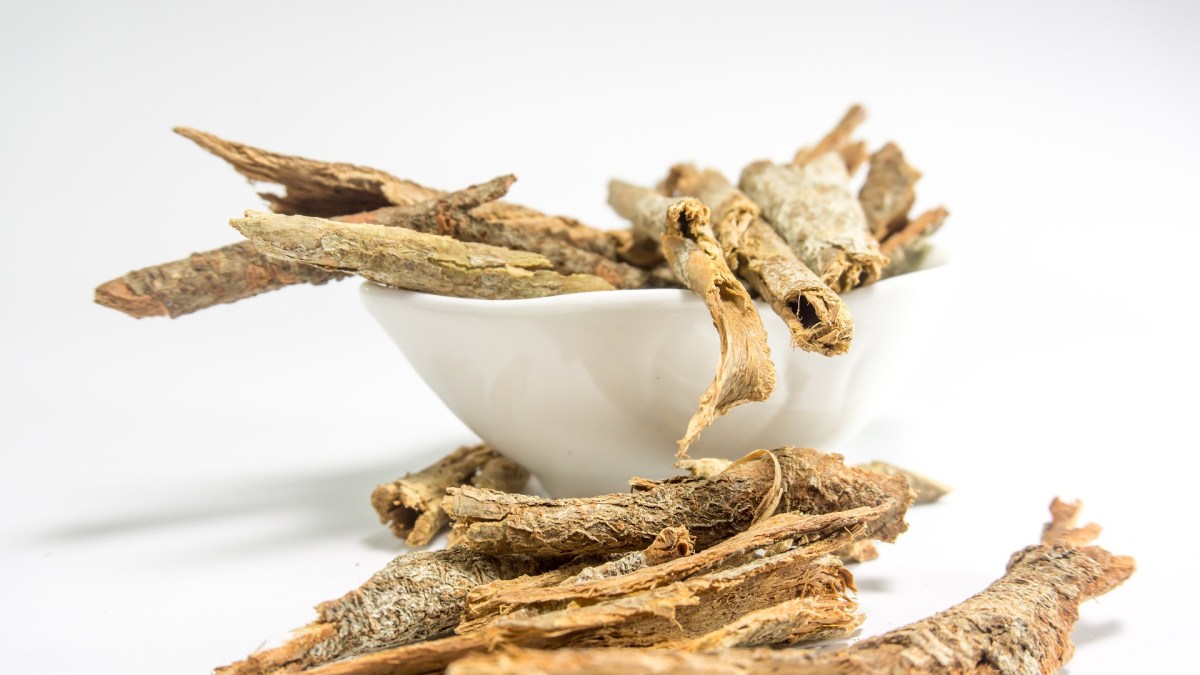
Dried cassia, toxicity of cassia plant food additive for dogs, cassia in dog food / Image by Fathima Shanas from Pixabay / first published on perfectcockerspaniel blog

Check your dog’s food for this ingredient

I couldn’t help noticing another ingredient that is added to more and more dog foods. It is called CASSIA and in simple terms, it’s a cheap alternative to cinnamon. In dog food cassia works as a gelling agent and preservative. It’s more likely to be a part of wet food but can be added to kibble also.

Nutritionally, dogs do not need cinnamon or cassia in their diet. While cinnamon can be beneficial for certain conditions when used in very small quantities and short period of time, cassia may cause or worsen liver disease, increase risk of allergies, skin inflammation and irritate digestive tract.

It can become toxic if used for a long period even if the amount it minute. It is approved in EU & a few other countries but as far as dog food research goes, the studies are still going and latest outcome specifies that only purified cassia can be used and in certain amounts (just over 1% of total food) . Considering that not enough research has been done and possibility of side-effects however minor, do check labels of your dog food just to be on a safe side. Cassia can be listed as cassia gum or E427 or E499.

Photo source: image by Fathima Shanas from Pixabay