
Can my dog eat blueberries? Nutrtional benefits of blueberries for dogs. Why blueberries are good for healthy eyes, skin, bones, reduce pain in arthritis, after antibiotics, cancer and diabetes / Nutrition advice and diet for dogs by qualified canine nutritionist / Perfect cocker spaniel / Pet blog for english cocker spaniel grooming, advice, tips, health, diet, behavior and training / (C) Natalia Ashton

Can my dog eat… blueberries?

It would be a sin not to talk about blueberries in the heat of summer. These teeny tiny power houses of nutritional goodness are in season right now and worth a note of appreciation.

CAN YOUR DOG EAT BLUEBERRIES!

YES, a big joy-bursting Yes!

My guys love them so much, they know blueberries by name. Even more, I truly think boys see them as a high value treat, too.

The little berries are not only delicious. First and foremost, blueberries contain important vitamins and minerals including vitamin A to support vision, vitamin K essential for blood clotting, vitamin C important for resilient immune system and formation of collagen to keep connective tissue, skin and skeleton healthy, plus manganese for bone development and copper – to support haemoglobin production.

But what you are most likely know about blueberries already is that they are often referred to as “superfoods” because they are packed with antioxidant phytonutrients including anthocyanins, resveratrol, catechin, ferric acids, quercetin, myrecitin, and kaempferol, to name a few. And since a lot of research was carried on animals, we can turn to it and see how the berries can benefit our dogs.

Because of the high phytonutrient content blueberries are the berries known for their anti-inflammatory properties. One study showed that blueberries helped to reduced the symptoms and progression of rheumatoid arthritis. Another study that used sled-dogs showed that blueberries may also reduce the effects of oxidative damage and improve muscle recovery post-exercise in active dogs.

They are also said to support healthy blood pressure and reducing the risk of heart disease, which is very important for cocker spaniels who may be genetically prone to heart issues.

Another benefit of blueberries is blood sugar support, which can help maintain healthy weight and reduce risk of diabetes in both dogs and humans.

Some resent studies also suggest that the high phytonutrient content may help to reduce the risk of several cancers and support the nervous system and brain health.

Adding blueberries to your spaniel’s meals may support his vitamin K levels after a course of antibiotics. Of course, you will need to check it with your vet first.

So if you think about it, the little berry plays a very important role in keeping most of the body’s systems functioning properly and remaining desease-free.

How much to feed? It is generally accepted that you can feed 1 berry per 1 kilo of your dog’s body weight per day. However, you also need to bear in mind all the other treats your dog may eat on the same day and adjust the quantities accordingly, so the total quantity of treats is no more than 10% of his total daily food intake.

Fresh berries are likely to be more beneficial, but if they have to endure long transit times or are out of season, you can get plenty of goodness from the frozen blueberries, too.
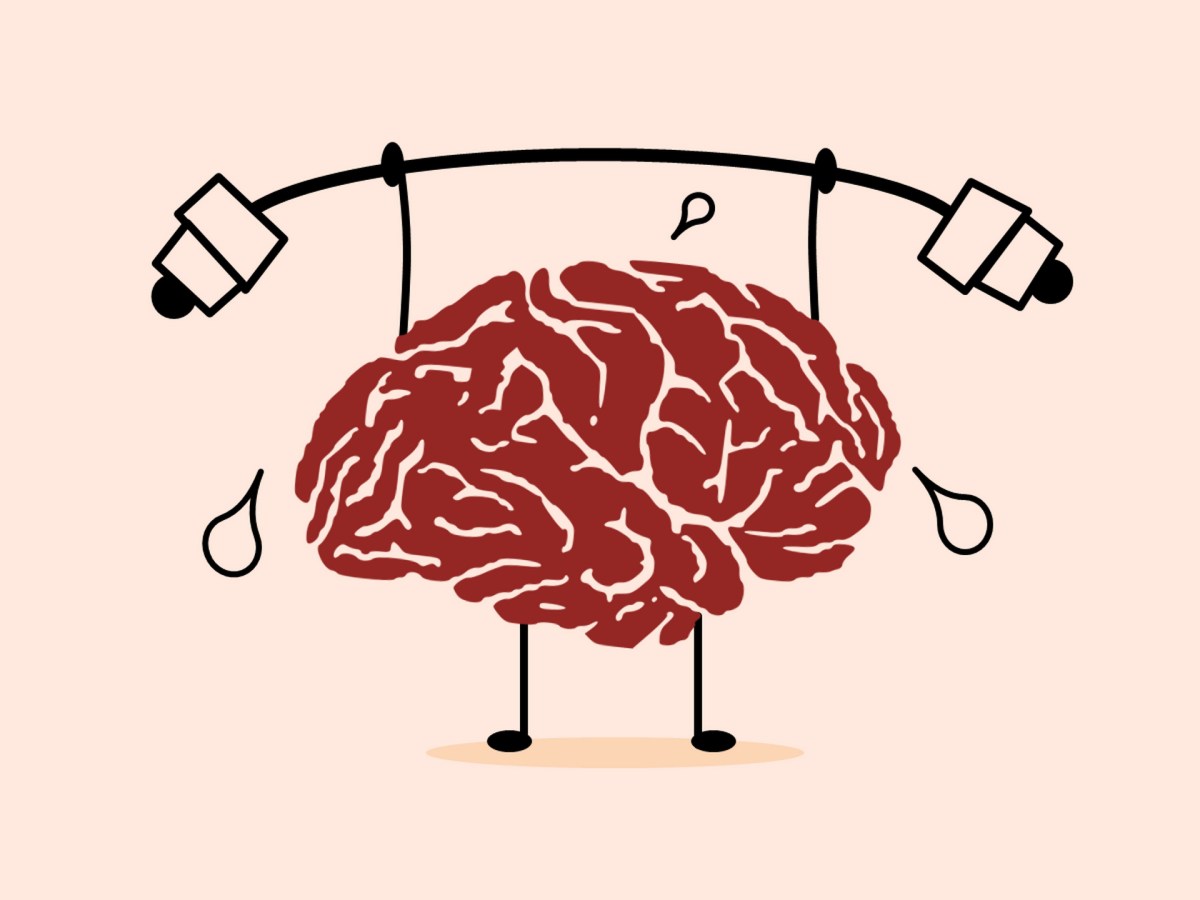

 

Photo credit: image by LC-click from Pixabay

How much training is too much for your dog? How often and how long should you train your cocker spaniel for? Puppy training tips? Training mistakes and how to make training sessions most effective / Perfect cocker spaniel (C) dog blog / English cocker spaniel guide to the breed, grooming, diet, nutrition, puppy tips / Natalia Ashton, canine dog nutritionist & pet nutrition coach

How often should you train your dog?

A couple of weeks ago I talked about a few points of training a cocker spaniel and was absolutely thrilled when so many of you replied, shared your thoughts and asked questions.

One of the most popular requests was about the frequency and length of training, so I thought I’d talk about it today. As I’ve always trained my dogs myself I got to experience quite a few views about the process.

Years ago, when I first got into dog life, the training practices were very different compared to today’s ones. The former were almost military-like, very strict, very precise, more focused on the results and the owner. The dog was there to achieve and perform no matter what and the ones who didn’t were regarded as useless. I never really got too much into that and trained my first boy to suit our life and have fun more than anything else. To be fair, he was a poodle, one of the most intelligent breeds. He never needed much work as everything was learnt and remembered based on a few little lessons (and his own canine experiences).

These days it’s all about positive training. A wonderful way to ensure that the dog does not only learn something, but feels like a happy confident genius and builds a strong lasting bond with his parent/trainer.

But what about the duration of the training? When is the best time to start? Where is the perfect place to do it? When is the ideal point to stop? It can be confusing.

To get your brain buzzing I’ll start with a wonderful and very straight-to-the-point quote by Heini Hediger, a Swiss biologist and the “father of zoo biology”…

“Good training is a disciplined play”

In other words and in my opinion, a training is only successful if it is fun and leaves you and your dog feeling liberated, joyful and content about achievements, however little they may be.

I think that training a dog should also be perceived as a work out (for the brain, in our case, but still… the mighty grey and white lamp of fat has feelings, too). Imagine, you decide to strength train. You have two options – do a series of exercises based on your personal goals, every day, for a short period of time, consistently. Or you go to the gym once or twice a week and absolutely kill yourself there for hours, performing every workout routine known to man, to “compensate” for all the days in between.

If you choose the first option, you are likely to achieve fantastic results because you will pay attention to every muscle group in your body, you will not overwhelm your immune system (every physical activity depletes the body from essential nutrients that must be replaced for proper recovery and rejuvenation) and you will not experience the aches and tiredness that make you collapse.

On the other hand, spending a few hours at a time will most definitely leave you exhausted for days, give you a stinking cold (because that’s how your immune system is likely to respond to your efforts) and probably put you off working out in a week or two.

Same with dog training. Do it in short regular bubbles – and it will be a fun way to keep moving forward. Keep it to one or two long sessions a week – and see your dog feeling tired, frustrated and possibly reactive as a result.

So my ideal training is a consistent daily routine made up of a few quick sessions based on individual dogs and their personal abilities and needs.

We have a bunch of tricks and cues to practice or learn, but never really schedule or time our exact lessons. Each little “burst” takes about 5-15 minutes depending on our location and time of the day. We train in whilst boiling a kettle or during advert breaks on TV to practice “sit”, “down”, “stay”, “fetch”, “paw” etc… Or learning to “wait” for the food or food toys to be prepared and served. We train during our walks to perfect “heel”, recall, “stop”, “stay”, “paw”, standing on objects, “look”, listen”, “let’s go”… the list goes on…

At home we learn new tricks in the afternoon or play “find food”, “leave”, obstacles, brain games, not barking (work in progress, but we are slowly getting there) in the garden or house. Whenever the boys run to me from the garden I use a recall cue and treats. Currently, I am also teaching boys to take turns while we train, so ensure that one is happy to calmly wait on a sofa or “mat” while I am busy with the other one. I don’t like separating them during training times, let alone keep one crated, so this is our way to be together always.

It is also very important to always keep an eye on the dogs’ body language and facial expressions to make sure that they are enjoying the process. Stress isn’t a great helper when you train because it literally blocks the brain from getting the messages or remembering anything. That is why any sign of over-excitement (which can happen in 5 minutes or 20 minutes, depending on the type of exercise, timing and location), annoyance, boredom or tiredness is a signal to stop, ask for a much-loved and well-known cue and conclude the session with a treat and a calm cuddle.

One more point to bear in mind is to never train when you are not feeling your best. You may try to fool yourself, but the dogs will always pick on your emotions and physical state and react to it.

And what if you are trying to train a puppy? I’ve got it covered in my Perfect cocker spaniel book. Each chapter in the Practice sessions comes with puppy training tips based on his age and needs. I just thought I’d mention it in case you’re new here.


Photo credit: image by Tumisu from Pixabay

How to prevent ear problems in English cocker spaniels / Grooming, diet, lifestyle tips / Perfect cocker spaniel breed & puppy guide, dog blog / (C) Natalia Ashton

I am all ears! | Preventing ear problems in English cocker spaniels

If a cocker spaniel puppy came with a User’s manual, the book would definitely contain a warning about ear infections.  It is true that English cockers are predisposed to issues in this area. It does not, however, mean that your dog is destined to suffer from one.

There are a few things that can cause your cocker experience an ear ache and irritation. They can be connected to genetics and anatomy, health problems elsewhere in the body, parasites such as ear mites (one of the most common triggers), environmental allergies and food sensitivities, yeast and fungi, overall health status, side-effects of some medications, lifestyle, foreign bodies such as grass seeds and, of course, grooming routine.

The most important rule here is to take the dog to a vet if you suspect anything however minor and insignificant. Guesswork, internet searches, over the counter medicines, natural remedies and ear problems do not belong together.

I love my boys’ ears. I love to look at them, photograph them, groom them, touch and stroke the silky hair and I even love the way they smell… So I make sure they stay this way – beautiful and problem-free.

That’s why today I am not going to talk about illnesses. Instead we will focus on prevention because it’s so straight forward yet so effective for keeping any problems at bay for the entire life of your dog.

So here is a list of things that I do and use myself and recommend to anyone who comes to me for advice.

Check your dog’s ears daily and be particularly vigilant if your cocker is an adventurer or avid swimmer. It helps to know what a healthy ear looks like, notice any changes in texture, skin colour, temperature and scent, and spot any odd-looking discharge or grass seeds before they get into the ear canal.

Clean your spaniel’s ears once a week and keep it simple. Simplicity is the key when it comes to ear routine. By nature the canine ear is self-cleaning, so you don’t want or need to fiddle with it too much. Do not insert anything inside the ear canal. Do not pour any solutions into the cavity either. The latter may have to be done if the dog already has problems and based on your vet’s recommendations. However, if your dog has healthy beautiful ears, all you need to do is to get two cotton pads, moisten them with an ear cleanser based on salicylic acid (the simpler the formula the better) and gently and carefully wipe the visible outer surface inside each ear. That’s all.

Trim the hair around the ear canal monthly to allow air circulation. Be cautious if using clippers – it can cause irritation. Plucking must be avoided because it can leave the skin open to infections.

Groom your dog every day, so the ears are never left wet. Leaving them to dry naturally softens the skin of the ear canal and around the edge, creates damp and warm environment, and allows infections, bacteria and yeast to thrive. Keep an eye on paws, too, because anything that affects the paws can be easily transmitted into the ears.

Brush the ears daily to avoid mats. Also don’t use clippers on your dogs ears – it will thicken the hair, make it prone to matting and trapping moisture. Use scissors or Coat King instead.

Avoid frequent bathing because it also softens the skin and increases the risk of getting the water into the ear canal. If you do bathe your dog, always protect the ears with cotton balls.

Use vet-prescribed flea and worming treatments. Besides keeping obvious parasites at bay, correctly chosen products will also prevent an ear mite infestation.

If your dog had to be on a course of antibiotics, remember to restore his gut bacteria with a course of vet-recommended probiotics and by adding some plain natural yoghurt or kefir into your cocker’s diet.

Feed your dog a complete balanced diet because it will strengthen his natural defences. It does not need to be home-made or unique. A good quality commercial age-appropriate dog food is a reliable and safe option. If unsure, consult a vet or nutritionist.

When feeding your dog, use special spaniel bowls, snoods and scrunchies to protect your cocker’s ears from getting dirty, otherwise you may end up with a dog who suddenly develops very smelly ears caused by yeast and bacteria.

You can find more information about English cockers, their health, grooming, nutrition and puppy tips in my book Perfect cocker spaniel.

Photo credit: Cooper & Fred photographed by me