Wet dog paw print. Why it is important to wash cocker spaniel paws after each walk / English cocker spaniel grooming tips and advice / cocker spaniel puppy / first published on Perfect cocker spaniel blog

3 reasons to wash your dog’s paws after a walk

I know many people who think that it’s not essential to wash dog’s paws after each walk unless they are covered in mud.

Well, my pups get a paw wash or rinse as soon as we get indoors. Funnily enough, they love it and often refuse to do anything else until the paws are clean and dry.

I am not a germophobe. But I do have my reasons. And here are the three main ones…

Actual mud and dirt. Even if the paws don’t look soaked in mud, they are still dirty. Having dogs running around the house and sleeping in my bed is the same as me sleeping in my bed with my shoes on. Not particularly hygienic.

Parasites & harmful bacteria. Some larvae, viruses and bacteria that are harmful to dogs can survive in the soil for months and stick to dog’s paws once walked on. If the dog licks his paws afterwards he is at higher risk of ingesting these and developing anything from intestinal parasites to infectious diseases.

Toxic substances. In spring and summer the grass may be covered with pesticide residue that is toxic to dogs and can be lethal. In autumn and winter the path is often sprinkled with salts that can cause irritation, cracked paws and, if the dog licks it off, upset stomach, vomiting and even death.

What about do? Do you wash your dog’s paws or leave it au naturel?

Photo source: image by PublicDomainPictures from Pixabay


What to do if dog stung by bee, wasp, first aid help tips, advice / how to remove tick from dog / haemolytic anaemia, lyme disease / slugs and snails dangerous for dogs / first published on Perfect cocker spaniel blog / dog advice / photo by Dominic Alberts from Pixabay

The bugging issue

Hot days followed by showers bring out a lot of creepy crawlies. Be prepared – cockers are explorers and can get stung during their adventures. Here is a quick first aid guide to refer to.

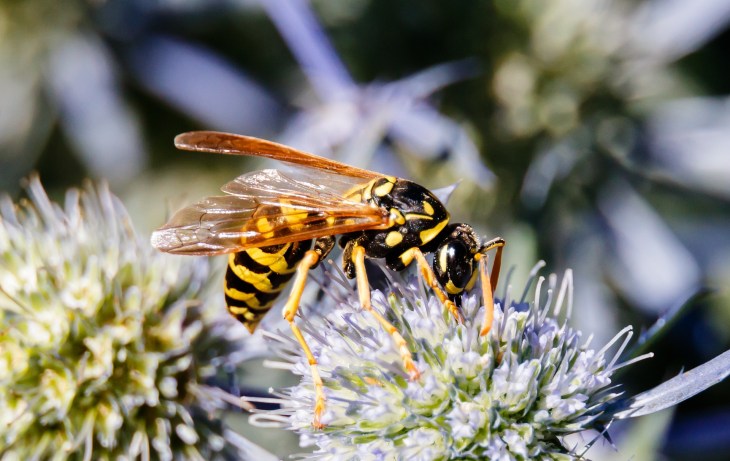
Wasp string dogs, first aid help, what to do / published on Perfect cocker spaniel blog / Image by jmarti20 from Pixabay (C)

Wasps sting several times & can cause nasty allergic reaction. Try to keep your spaniel away from them (use “come” or “leave” cues). Should the worst happen apply ice to sooth, follow with solution of vinegar + water . You can use original Benadryl / Piriton but ONLY AFTER CONSULTING A VET.

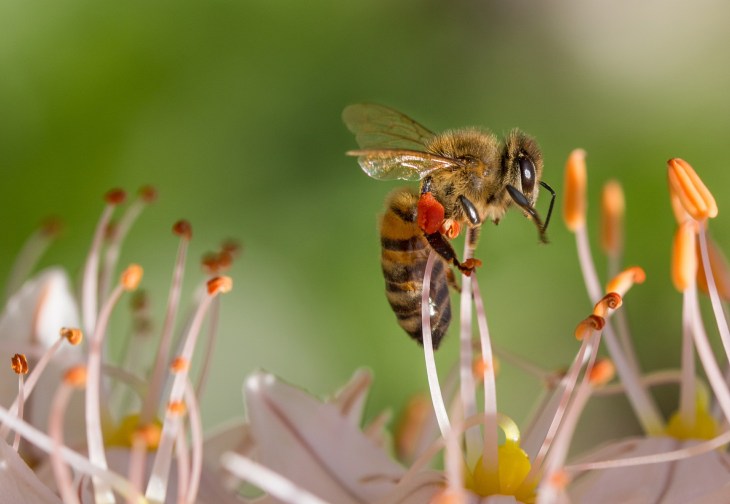
Bee sting dogs, first aid help, what to do / published on Perfect cocker spaniel blog / Image by Michael Siebert from Pixabay (C)

Bees leave a stinger which must never be pulled out but rather “scraped” out with a credit card or similar object. Apply ice, follow with solution of baking soda + water. Prevent the dog from scratching or liking it. If the bite becomes irritated, take the pup to the vet.

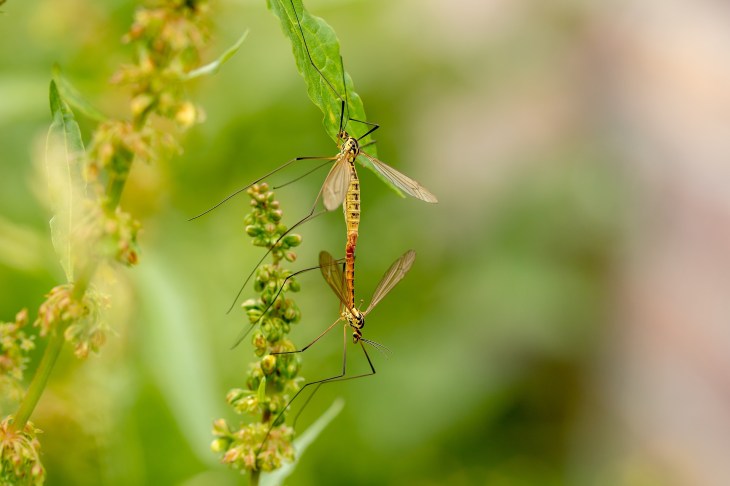
Mosquito stings, bites in dogs, first aid advice, help / published on Perfect cocker spaniel blog / Image by Myriam Zilles from Pixabay

Mosquitos are not as offensive but can cause irritation in hairless spots or if the cocker is shaved thus his skin is easier to reach. Too many bites can cause redness and even raised temperature. Mosquitos are known to spread heartworm – make sure your spaniel is protected by monthly preventatives.

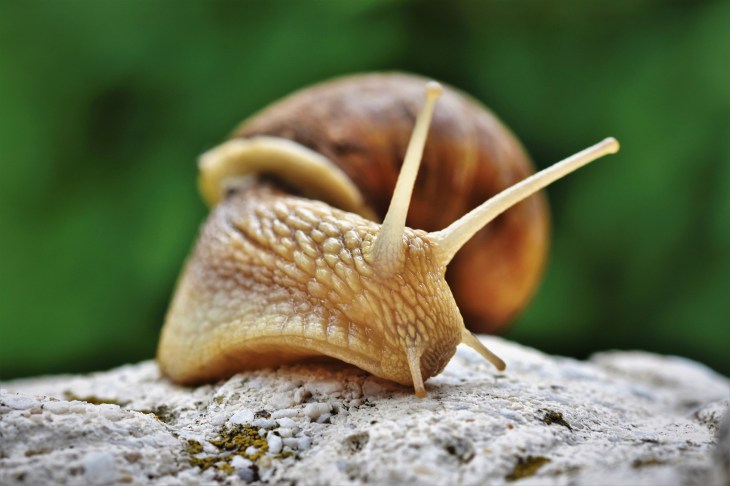
Slugs and snails dangerous for dogs, first aid advice, help / published on Perfect cocker spaniel blog / Image by Capri23Auto from Pixabay

Slugs & snails carry lungworm that can be fatal. Use preventative treatments to reduce risk. Set traps in your garden to catch the unwanted visitors. Never leave water bowl or toys in the garden. Do not let your dog drink from public bowls.

Ticks dangerous for dogs, how to remove, haemolytic anaemia, babesia virus, lyme disease symptoms, first aid advice, help / published on Perfect cocker spaniel blog / Image by Meli1970 from Pixabay

Ticks are the worst bugs as some carry Babesia parasites that cause haemolytic anaemia. Make sure to remove the tick with his head still attached using a special tick removing stick and twisting it anti clockwise. Follow with antiseptic solution. Never squeeze or pull the bug! Never apply oil on tick either. Save the tick in a small jar for up to a month. There may be a red spot or pimple on the location of the bite – if it becomes irritated or enlarged, take your dog to the vet immediately. If your cocker looks unwell, quiet, uninterested in food, run to the vet. Symptoms may take up to 3 weeks to appear.

Photo source: images by Dominic Albertsjmarti20Michael SiebertMyriam ZillesCapri23auto,  Meli1670 from Pixabay

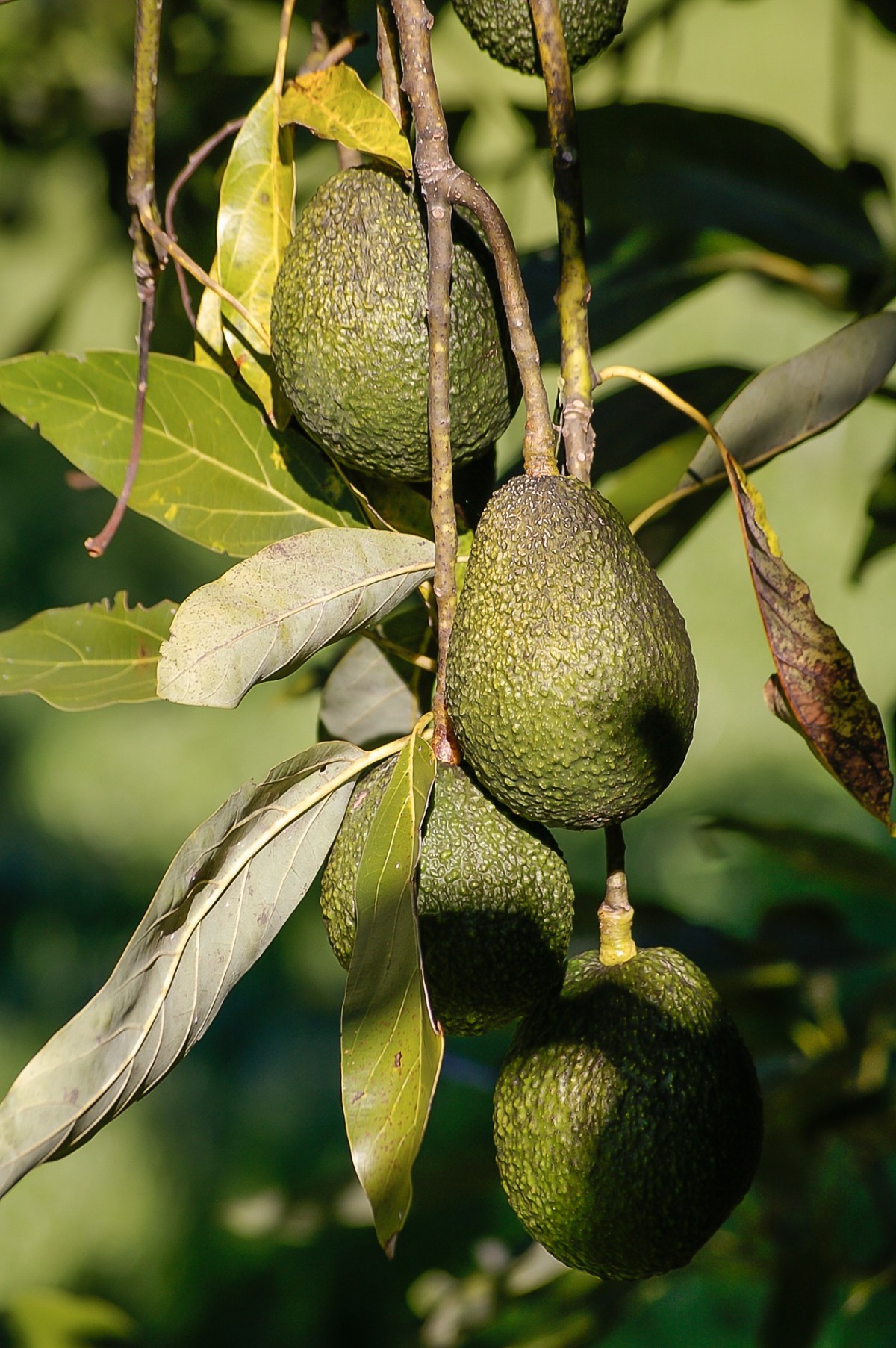
Avocado toxic or not for dogs and why, avocado in dog diet safety concerns / First published on Perfect cocker spaniel blog / Image by sandid from Pixabay

Q&A | Avocado: yes or no?

I receive so many questions about avocado in dog’s diet, so I thought I’d share it here since yesterday was a #nationalavocadoday.

Lately avocado was said to be safe for dogs. However before you go head think of the following…

… avocado contains persin, a toxic substance found in the skin, right under the skin, in the stone and the bark of avocado;
… the LIGHT green flesh of the fruit is low in persin, however it is difficult to ensure that the light green won’t be mixed with the DARK green flesh found under the skin of the fruit, thus increasing the risk of poisoning;
… if a dog has avocado he’s likely to have upset stomach or vomiting;
… in addition the stone can not only be more toxic if crushed by a dog, but also get stuck in the throat or digestive tract, which can be fatal;
…high fat content of avocado can increase risk of pancreatitis.

Personally, I would not risk it. I also do not believe that something that was once deemed very toxic for pooched was suddenly given a green light. It feels more like a trend, not something supported by research.

Photo source: image by sandid from Pixabay