Why train your dog / cocker spaniel training explained / Perfect cocker spaniel book & pet blog / dog diet, nutrition, grooming, training, health tips / (C) Natalia Ashton

What is the point of training a cocker spaniel?

Once upon a time I knew a cocker spaniel. He was a wonderful guy, a perfect specimen in every way – kind, friendly, and absolutely stunning. He was also incredibly well-trained and obedient. In any dog parent’s eyes he was a dream!

And then one day we saw a different side of this perfection. We were having one of our walks, somewhat crazy, somewhat calm, and most definitely a happy “messy-hair-don-t-care” walk for the three of us to enjoy. Suddenly, that spaniel appeared out of nowhere. He was running down the street, unleashed and free. I felt worried. We were on a side of busy road. We stopped. I looked around for his owner.

Eventually he appeared, slightly red faced. He called the dog – and the dog obliged to perfection. He went over, sat nicely and waited. A scene that would have been absolutely beautiful to watch if it wasn’t for one simple fact… The boy’s body language…

As he sat there, his body got tensed, the forever wagging tail – tucked under the bottom, and the ears pinned tights against his head.

Yes, the spaniel did what was asked of him… but he did so not because it was unthinkable for him not to please his owner out of love – it was unthinkable for him not to please his owner out of fear. He was perfectly obedient, but from that moment on I wouldn’t dare let my mind think of the methods used to train that dog. Even though he was perfect in comparison to my lot, I’d be heartbroken if my boys reacted to me and our training like that.

And we do take our training seriously (well, as serious as one can do when surrounded by cocker spaniels!) Anyone who knows me, read my blog or book, is aware of the fact that we love a bit of training here. I train my dogs from puppyhood and throughout their whole life without hardly missing a day. But we train for as long as everyone is enjoying it because for me, the point of successful training is far beyond a basic response to the cue word achieved at all costs or being able to perform every single imaginable task out there.

So why do we train our dogs then?

It helps the dog to live with his human family in harmony. We are all unique and have our own ways and habits, which the dog needs to be aware of. Teaching him what’s ok and not is like teaching a little child that sticking his fingers in an electric socket or playing with matches isn’t a good idea, but putting his toys away or kissing his mum really-really is.

As far as your household is concerned, you are the one who sets the rules as long as they are safe and sensible for everyone. If you are comfortable with your dog sleeping on a sofa – so be it. If you’d rather he slept in his own bed – teach him. If you want to avoid accidents and destructions during puppyhood – prevent them by proofing the house. Not keen on your dog stealing food from the table – don’t leave it there! If you absolutely have to have your dog jumping up when you come home, it’s your decision. But if you’d rather your dog politely sat by the door – it’s another lesson to learn.

It keeps the dog safe and welcomed within the community. Teaching your spaniel recall will ensure that he won’t run away chasing birds, live stock, a little kid or a fearful dog. Asking him to walk next to you down the street means that people around you will feel comfortable. A dog who knows how to stop or come back is less likely to run under the car if he gets distracted. And any spaniel who can resist picking up garbage on the street or spit anything he did pick, won’t have a bad tummy accident or worse…

It’s a way to instil your cocker spaniel with confidence. The more your dog learns, knows, observes and experiences, the more confident he will be. Positive training doesn’t make the dog smarter (all dogs are smart, it’s a matter of perception, not comparison) – it works with his cognition, enhances his intelligence and improves problem-solving skills.

It helps your dog be more dog. Cockers are workers. These dogs need to get busy before they can eventually relax on a sofa feeling utterly satisfied. Even if they are show dogs and look like total divas. They still appreciate something more labour-intensive than a blow-dry.

It builds a human-spaniel bond. Training together creates many moments of fun (and sometimes frustration – but then they become fun, too), and helps you tune into each other’s behaviour, habits and signs that will strengthen your relationship. Throw in an endless supply of treats to please the brain all the way from the gut – and you will conquer the heart of your spaniel forever.

It makes you a better human. Training can change your priorities, unearth some feelings and traits you thought you didn’t have – and get rid of the emotional junk that’s not worth drugging around. It teaches patience. It encourages you to learn, too. It gets you to the point when you see your dog through a completely different set of spectacles – and fall in love with your pooch all over again, day after day, more and more.  You know, it turns you into a person your dog always thought you were.


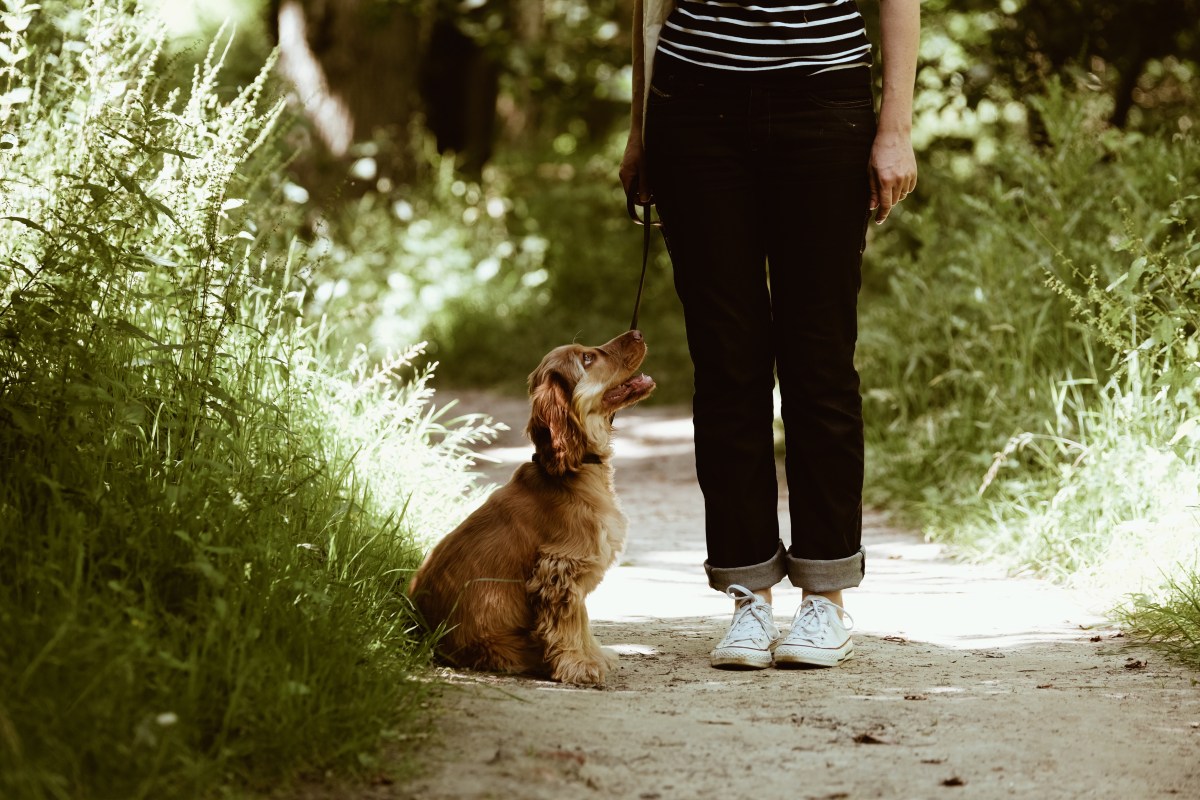
Image credit: Me and Coop photographed by my husband once upon a time
 

Cooper as a pup hiding from heatwave, red sable English cocker spaniel puppy / UK Heatwave in England | How to keep dog cool and safe during hot weather, heatwave, summer | Signs of heatstroke in dogs and overheating | Ways, tips & advice to protect English cocker spaniel from summer heat | Perfect cocker spaniel breed and puppy tips, advice, training, health, grooming & diet | Pet Blog (C) Natalia Ashton

Helping dogs to breeze through heatwave

Writing about heatwave tips on a hot spring morning… “Groundbreaking”, I know. Though I’d rather talk about it than don’t. For the love of dogs.

The early morning walks are back! We are out at 6am balancing on the edge of the heatwave like a bunch of newbie surfers… The bodies are almost there, but the minds are still hollow, unconscious, slowly letting go of the vivid dreams from a night before. It’s not easy but that’s the only way to enjoy the air before it’s sucked into the hot vacuum.

Luckily, Cooper is an early bird and takes great pride of waking me up on time. Coop, like a true aesthete, never misses sunrises unless, of course, he had a late night and requires an extra hour in bed… The boy puts great value into his beauty sleep. Almost as much as he does into his diet, grooming and fun. I think if I followed Cooper’s life rules I’d look like a top model. A short one, mind you, but a proper head-to-toe model.

Alas, here we are… Eyes barely opened, walking through a sleepy village on an autopilot… We get a good hour of joy from this and I feel content knowing that the boys will be set for the day.

Even though my lot don’t seem to be particularly bothered by very hot weather, I still prefer to be sensible to protect them in every way I can.

UK Heatwave in England | How to keep dog cool and safe during hot weather, heatwave, summer | Signs of heatstroke in dogs and overheating | Ways, tips & advice to protect English cocker spaniel from summer heat | Perfect cocker spaniel breed and puppy tips, advice, training, health, grooming & diet | Pet Blog (C) Natalia Ashton

We walk very early in the morning and late at night to avoid the heat and humidity. Midday walks are an absolute no-no because any form of activity can cause heatstroke.

Dogs can easily burn paws on hot pavements, so walking on grass is much safer. You can also do a hand test – place your hand on the pavement with the back of the hand against the surface. Hold for 5 seconds. If you feel the heat or burn, stay home.

We carry water with us at all times. The weather changes to rapidly, it’s easy to be caught off guard in a middle of nowhere with the dogs needing a drink. If necessary, water can also be used to wet their tummies and paws to prevent overheating.

The pups have an easy access to drinking water 24/7. I leave a bowl in every room and also have one for the porch (which I always take indoor in the evening, so the slugs don’t accidentally crawl in)

UK Heatwave in England | How to keep dog cool and safe during hot weather, heatwave, summer | Signs of heatstroke in dogs and overheating | Ways, tips & advice to protect English cocker spaniel from summer heat | Perfect cocker spaniel breed and puppy tips, advice, training, health, grooming & diet | Pet Blog (C) Natalia Ashton

Windows are opened all day to create a flow of air and keep the floors cool. We are lucky to have stone floors that can get borderline cold even on a hot day. If your floor is warm, you can use damp towels, cooling pads or cooling mats to give a dog a spot to chill.

Pups have a shady spot in the garden and plenty of dens indoors to avoid direct sun, but I never rely on them to decide when to get back indoors. Coop, if given a chance, would probably sunbathe for hours, and Fred would stick around because he mimics Cooper in everything.

We are the “stay at home” kind of folks, but if you choose to drive, please remember to have all windows opened, plenty of water for the dog and only go ahead with any journey if your dog is cool and comfortable. It’s also worth checking if the places you are planning to visit are definitely dog-friendly.

how-to-keep-dogs-cocker-spaniel-safe-cool-heatwave-dog-blog-perfect-cocker-spaniel-early-swimming

If you take your dog for a swim, stick with cooler times of the day, watch out for blue green algae in lakes and ponds, don’t let your dog drink salty water if you are at the seaside and rinse his coat and paws thoroughly upon return.

Never ever leave your dog in the car. Please do not rely on air con and windows. It can get extremely hot within minutes regardless of what you do putting your dog at risk of heatstroke.

Remember that heatstroke can happen quickly, so it is important to know the signs including…

… heavy panting & breathing difficulties

… excessive drooling & thick saliva

… bright red tongue & mucus membranes

… drowsiness, and loss of coordination

… vomiting

… bloody diarrhoea

… collapse & coma

The risk of heatstroke is higher for dogs who are overweight, suffer from seizures, heart or lung disease, or have to wear a muzzle.

It is an emergency situation, so you need to contact your vet immediately. At the same time you need to help your dog by moving him to a well-ventilated space, away from sun and heat; spraying him with cool or room temperature (never cold!) water and wetting his paws and growing area and allowing the water to evaporate. If he can drink, give him cool water. Never use cold and ice-cold water or ice!

Once his temperature drops to 39C, dry the dog to prevent further cooling and hypothermia and take him to the vets for further treatment unless the vet already advised you on a course of action.

There are also a few other important things you need to be aware of when the temperatures soar and the sun is out. Some are more obvious than the others, but I’ll give you a full list, just in case.

how-to-keep-dogs-cocker-spaniel-safe-cool-heatwave-dog-blog-perfect-cocker-spaniel-early-morning-walks-heatwave-hot-weather

Dark coloured dogs are likely to get hot quicker.

Dogs do not produce vitamin D when exposed to sunlight. They don’t need to stay outside in the sun for a “top up” – their intake comes from the food bowl.

Dogs with light brown or pink nose can get a sun burn. It’s best to keep these pooches away from the direct sun, and use coconut oil and shea butter nose balms because these oils provide some natural SPF and are completely safe if licked.

Dogs cannot sweat efficiently because paws are the only place they have sweat glands. That is why it takes them longer to cool down.

Grooming is essential and can help to keep your spaniel cool, but remember that properly groomed double coat is much more effective at controlling the natural temperature mechanism than the coat that has been clipped, especially if it’s been clipped on several occasions. When the cocker is hand stripped the natural top coat gives some protection from UV rays, reflects the light off the surface of the body and keeps the skin cool. If the dog is clipped, the top coat and undercoat fluff end up in a mixture of hairs that stops the air reaching the skin, traps the heat and is no longer effective against sun burn.

how-to-keep-dogs-cocker-spaniel-safe-cool-heatwave-dog-blog-perfect-cocker-spaniel-early-morning-walks-ice-cubes

Ice cubes are ok for some dogs, but since they can be a choking hazard and can potentially cause tooth injuries (we are talking about cockers here, these guys can get into all sorts of trouble!), you need to supervise your dog while he is enjoying them.

Ice cubes and ice cold water must never be given to a dog who is suffering from heatstroke. Cold water and ice can cause rapid narrowing of the blood vessels affecting the natural cooling mechanism and trapping the heat inside the body leading to organ failure and coma.

Hose pipe water game may be fun as long as your dog doesn’t swallow too much water. If he does, it can affect electrolyte levels (the balance of sodium and potassium in the body) and cause hyponatremia or water intoxication. The condition can affect several organs and body system and be fatal if left untreated.

Artificial grass looks very smart, but it can get almost as hot as tarmac. A study conducted in 2007-2008 concluded that some types of synthetic grass can heat up to 75C during heatwave! Bear this in mind if your dog normally like to relax in the garden and keep him away from the synthetic lawn.

how-to-keep-dogs-cocker-spaniel-safe-cool-heatwave-dog-blog-perfect-cocker-spaniel-early-morning-walks-artificial-grass

Now we’ve got everything covered, it’s time to have some fun and make happy memories. Because heatwaves never really last long in England, but memories will be with us forever.


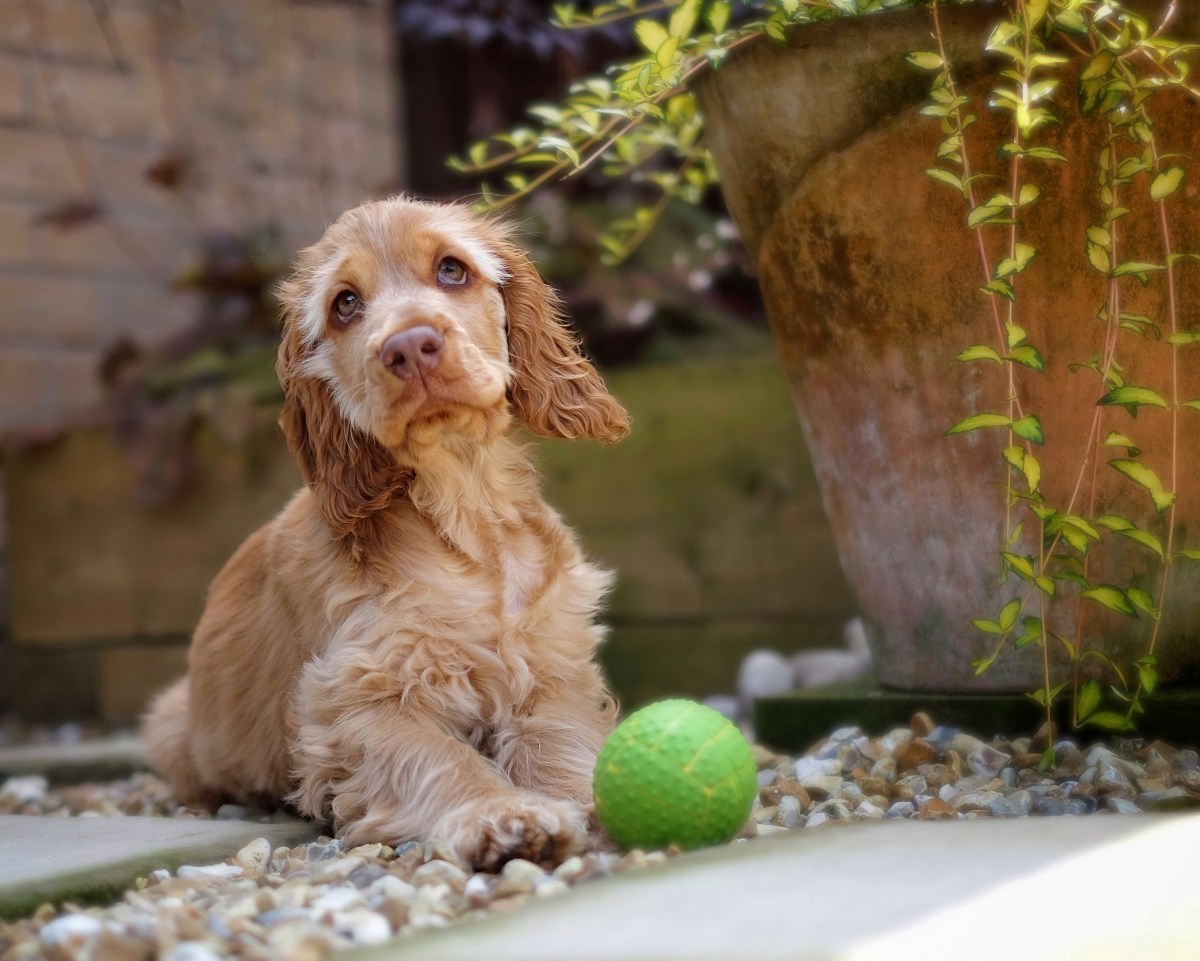
Image credit: Cooper photographed by me as pup hiding in a shade during his very first heatwave, Fabian Steinmetz, kian2018, Goran Horvat, Tobias Heine, DerWeg, Henrikas Mackevicius

Cooper, red sable english cocker spaniel puppy 6 months old, Perfect cocker spaniel book guide, grooming, training / Adolescent phase in puppies / Puppies go through teenage phase / Behaviour research / Dog blog (C) Natalia Ashton

Teenage troubles? New insights into your pup’s adolescent phase.

“The little rebel has blossomed! Every day is Independence Day!…” I wrote in my book while talking about raising a 6-month old cocker spaniel who was just about to hit the adolescent phase.

Do dogs really go through a teenage stage? They do, indeed. Right after they just got over the teething, the pups give their parents hardly any break before returning in a manner of a hormone-powered comet… or a little beastie, as I refer to mine.

The little fireball once, and now vaguely, remembered as the fluffy angel suddenly develops selective hearing and tantrums, and worst of all, seems to forget every command he learnt in the past few months.

“He is not listening to me!”

“She just run away and refused to come back and I ended up running around calling her like an idiot!”

“They seem to be doing their own thing on walks now… like I don’t exist…”

“All our training seemed to have gone down the drain!”

“How long this teenage stage last in dogs?”

Sounds familiar? I can almost see you node because it’s that “wonderful time of puppy parenthood” we all get to experience. Just like human teenagers, the young pups arrive at the adolescent phase of their life and simply can’t help but act up in a very unruly manner… Of course, it can be frustrating for both parties. The pup parents may feel that they failed as caring guardians and the pups experience such a surge of physiological and emotional changes they can barely deal with them all…

Fortunately, the rebelling phase passes relatively quickly making every parent experience the euphoria that Nietzsche perfectly summed up as “what doesn’t kill me, makes me stronger” once it’s over…

But despite it’s predictability and everything we already know about dogs, it is always interesting to hear new insights into canine behaviour because, in my opinion, it can help some people remain more tolerable and understanding when dealing with a growing pup and strengthen the canine-human bond when most needed.

The new study recently published by the Royal Society in the May 2020 issue of Biology Letters looked into the relationship between adolescent dogs and their human parents and came up with some very curious results.

According to the research, the dogs with stronger attachment to their owners experienced an earlier onset of the adolescent stage when compared to ones showing more independent and detached behaviour.

When it came to training, the pre-adolescent pups were happy to listen and perform commands given by their owners and trainers, however, their reaction and attention changed dramatically once they moved into the adolescent phase.

Unlike their younger self, the teenagers showed much higher odds of disobedience when given voice cues by their human parents. This was particularly obvious in dogs who experienced anxiety when separated from their owners. Yet, interestingly, the same dogs behaved a little better when working with a stranger or a trainer (which made me think of all the parents home-schooling their teenagers during the lockdown and praising teachers who seemed to be a lot more in control…). The latter didn’t depend on the skills level of the person in charge but rather the attachment between the dog and his owner.

Once the peak of adolescent stage was over (the dogs used in the study were 5, 8 and 12 months old), the level of trainability in pups improved naturally, without aids or force.

Even though the subject can and should be studied further, I see this study as a valuable reminder for all pup parents and trainers about paying particular attention and care to raising an adolescent puppy, especially a cocker spaniel puppy who is not only extra sensitive but prone to separation-related issues.

The teenage rebellion always passes, so it is up to us to guide the little cocker spaniel through this phase with positive training and a wagon-full of patience – and never base our parenting and training decisions on moments of frustration and despair.


Image credit: Cooper photographed by me