Dog paws in snow photo / Salt, grit, antifreeze poisoning and dangers in dogs in winter / signs of poisoning in dogs / Perfect cocker spaniel book and blog / cocker spaniel tips, advice, grooming, diet (C)

Two winter dangers that can be fatal for your dog

“The frost and sunlight! The winter day’s delightl!” Pushing once wrote (and I briefly translated, so no judgment for my rhyming skills, please!) in his “Eugene Onegin” poetry novel.

He was spot on. Winter is a beautiful season to embrace and enjoy. The dogs adore it, too. Mine cannot wait to get outside and do their version of snow angels, which basically involves rubbing their silly happy faces against the frosty grass – bottoms up, wiggling and wagging.

They think everything about winter is fun. But unfortunately there are two serious dangers neither pups nor many pup parents are aware of, so we need to talk about those today.

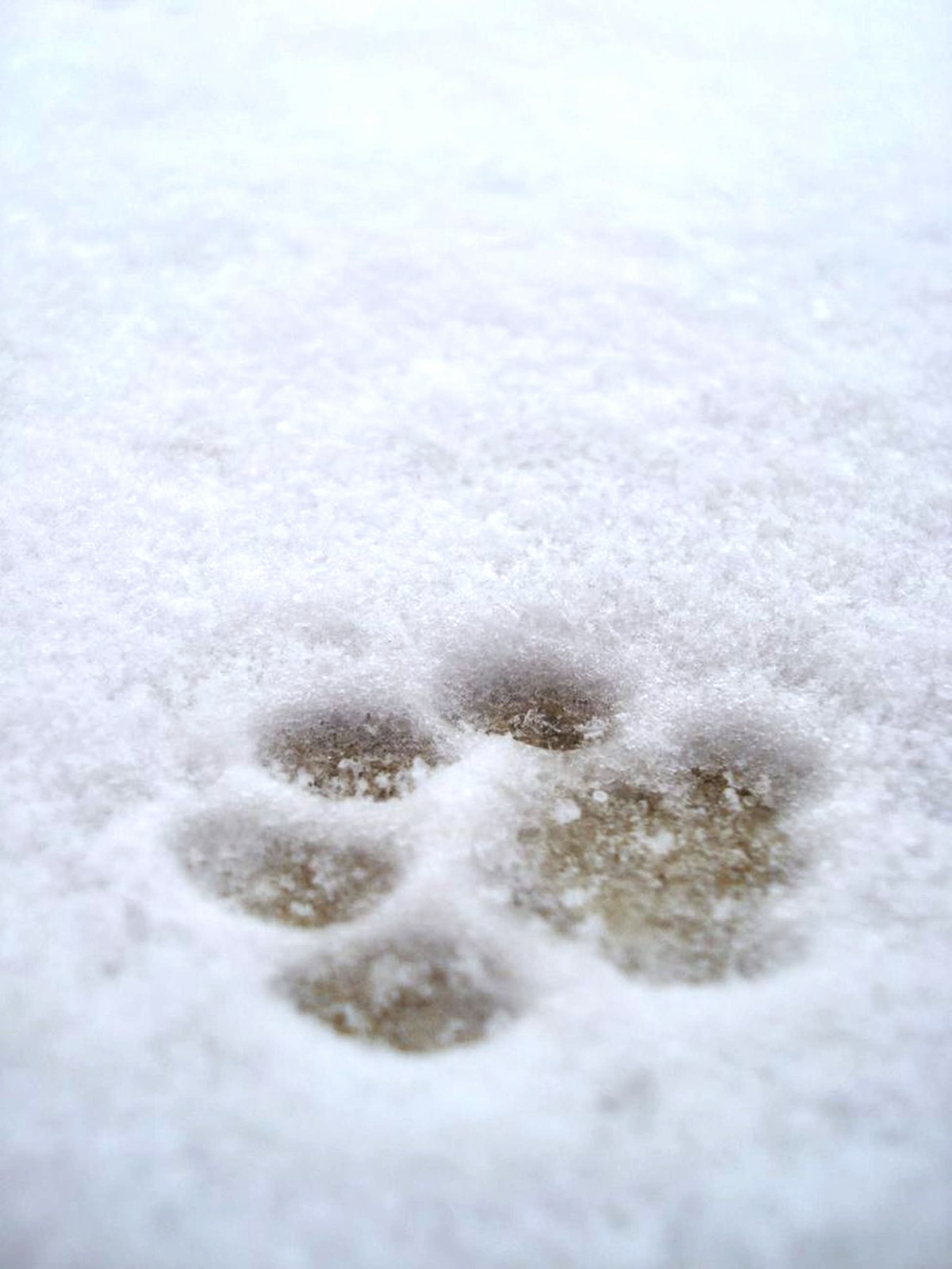
SALT & GRIT (also called de-icers) appear on our roads and paths at the first hint of arctic breeze. They can be easily spotted as most have a pink or terracotta-like tint. Both can be extremely dangerous for dogs and even cause a fatal outcome. Even though salt seems pretty harmless (we do eat it, don’t we?!) the combination of sodium, chloride and ferrocyanide can cause severe irritation, burning and cracked paws if the dog walks through the grit.

Licking the paws or de-iced surfaces can be life-threatening because the excess of sodium chloride is toxic to dogs leading to a condition called hypernatremia.

The symptoms of poisoning include vomiting, diarrhoea, lethargy, lack of coordination, excessive thirst, frequent urination, tremors, seizures and coma. The paws can look red, swollen, irritated, cracked and excessively dry.

Protect your spaniel by diligently washing and drying his paws after every walk (even if the path and roads you walk on seems grit-free); applying protective paw wax before each walk and, if the gritting is excessive in your area – considering dog booties; stopping your dog from licking his paws and any surfaces that may contain traces of grit.

But what if the path is still slippery? There are a few ways to stay safe:

… invest into non-slip boots;

… use a shovel to clear the path from the snow and thick ice;

… splash the path you use most frequently with a bucket or two of hot water – it’s enough to melt the ice and frost;

… use plain rough sand instead of grit and salts – it will give you the needed grip yet will be absolutely safe for your dog.

ANTIFREEZE is the other danger of winter. The solution contains ethylene glycol that tastes sweet to dogs and a small dose can lead to kidney failure and death. Even if you are incredibly careful when using it for your own car, the antifreeze residue can be often found on roads, parking spaces and snow and get onto your dog’s paws.

Dogs are one of the most susceptible species.

The symptoms of poisoning can appear within 30 minutes following ingestion and include nausea, vomiting, drunken behaviour, lack of coordination and knuckling, excessive thirst and urination, loss of consciousness, coma and death.

Protect your dog by storing antifreeze away from your pooch’s access; using it correctly and cleaning any residue on your car, hands and surfaces; washing your dog’s paws after each walk and, should you suspect anything odd, taking your spaniel to the vets immediately.

Have a safe and enjoyable winter! 
Photo credit: image by petronela from Pixabay

How to train your dog positively, study research, tips / perfect cocker spaniel / english cocker spaniel training, grooming, advice, puppy / world kindness day blog post / (C) Natalia Ashton / dog paw in human hand photo

Be kind

A few days ago I shared a link to a study on my Facebook page. It discussed the connection between our choice of training and its short- and long-term effects on dog’s mental health. The results clearly showed that aversive-based methods (positive punishment and negative reinforcement – in other words, commonly used practices such as yelling, using training gadgets or any other form of punishment that make the dog do something to avoid pain or discomfort) not only lead to immediate stress and anxiety symptoms (lip licking, panting, yawning), but caused higher levels of cortisol and made the pups more “pessimistic” leaving them in “perpetual stress” in the long run.

If you allow me to take a step back from the study, I would like to quickly show you why the damage hidden under a simple word “stress” is far more dangerous than many would imagine. As the cortisol levels rise, the body has to dip into its own resources reserved for other systems (think nutrients, hormones, neurones etc.) – and swiftly relocate them to manage the stress levels and ensure that the adrenal glands that secret the hormone remain as functional as possible. This causes a chain reaction when the deprived systems and hormones including brain, heart, pancreas, nervous, reproductive, digestive and immune systems begin to suffer. In addition, the adrenals that don’t get a much needed break become exhausted and eventually turn a perfectly “normal” dog into a fearful pet that suffers from anxiety, reactivity and aggression simply because his body cannot cope with the external stressors effectively any longer.

On the other hand, the study demonstrated that the group of dogs trained through positive reward-based training remained happy, bouncy and, even though this wasn’t measured, full of endorphins. Even better, the dogs felt emotionally connected to their human companions.

The analysis was the first of its kind (though I do like the one from 2014, too) and I was very grateful to see these outcomes as a proof that kindness can go a long, long way when it comes to dogs.

Even though this seems very obvious, this simple rule of treating your dog with love and kindness no matter what is easy to forget at times. Life can get in the way. Things can become stressful causing us to react out of frustration. Not because we don’t love dogs, but simply because we are imperfect impulse-driven species.

And even though we cannot completely change the imperfections in us – we can alter our attitude towards our beautiful practically perfect dogs. So next time you feel like “losing it” and yelling at your pooch, stop for a second and look at him… Look into his eyes… see how they are still full of affection… Think of how much your dog wants to please you… And remind yourself that he is, after all, an animal and your communication is more like a chat between you and a 5-year old foreign baby who has absolutely no idea what you are talking about (which can be rather scary for a kid!)

Then breathe, hug your dog and see him gazing back at you. This feeling alone can cure any pain and stress you’re dealing with. And if you do feel like screaming – there is always a little cloak room to lock yourself in for a moment. It’s a perfect place for flushing our all the verbal negativity once and for all.

And don’t forget to give your pup a treat when you come out… Because kindness comes in all sorts of forms – chicken and biscuits included.


Photo source: image by Mylene2401 from Pixabay


what to do with cocker spaniel dog when the weather is bad and rainy / indoor puzzle games for dogs ideas / puppy tips / all about English cocker spaniel training and keeping calm / Perfect cocker spaniel book and blog / (C) Natalia Ashton

Making the most of the rainy days

We got soaked this morning. Again. The weather has not been kind to us lately. It warmly gifted a glorious Sunday as if trying to justify a week worth of showers, but threw us back into wet and gloomy reality of wet paws and endless blow-dries in the early hours of Monday.

We returned from our walk looking like three seals. Not that anyone cared. Pups were happy – and I was pleased that we got out and stuck to the routine. By the time the blow-dry was over, the soft sun bounced out from the frothy clouds and things suddenly felt optimistic.

The pups settled down for a nap and I decided to write a little post about dealing with bad weather in the most productive way and ensure that your cocker spaniel is happy and satisfied.

Start your day by stepping outside. Even if it seems totally insane, do your best to have a walk in the morning. Your cocker will be grateful for every minute spent checking the neighbourhood, sniffing the grass and splashing through the puddles. Be mentally prepared for a long blow dry that will follow and if necessary, set yourself some extra time to have it done without messing up the rest of plans for the day.

Break your day into chunks and add 2-3 15-minute training sessions. Let your dog learn something new or practise the tricks he already knows.

Play the “find food” game. Hide pieces of kibble around the room (on the floor, in corners, hidden under scattered toys or towels, or left on chairs and sofa) and let your dog hunt for them.

Use brain and puzzle toys. They are created to suit different levels of difficulty, so you can get a few and swap them around. Start with level 1 to get the pup an idea of what to do, get to level 2 when he feels comfortable (and perhaps slightly bored) with the level 1 and move onto level 3 if your dog becomes an expert! Then you can alternate between all three – some can be used as feeders, others – to tire the brain and boost your dog’s confidence.

Choose between treat dispensing toys like Bob-a-Lot,  Wobbler, Turn Around or Busy Buddy, puzzle toys including Tornado Treat Toy, Puzzle Wheel, Brick Board or Dog Casino, or simply DIY by hiding treats inside empty boxes, egg containers, rolled towel. inside scrunched up wrapping paper, or even a muffin baking tin when you cover each  piece of kibble with a tennis ball.

Play the “magic” trick by hiding a piece of kibble in one of your hands and letting your dog sniff it out. Alternatively, hide the treat under three identical cups and ask your cocker find it.

Name your toys together! Pick a toy to play with your pup and remember to always name it when you hold it or throw it or ask the spaniel to find it. Eventually your dog will associate each toy with a name, so you can progress by asking him to go and get “ducky” or “teddy” from the toy basket.

Organise a pup date. Invite your dog’s best fur friend and his or her parents around for a play date. You can enjoy a conversation and a cup of tea while the pups will entertain each other.

Have a cuddle. Even the most energetic dog would enjoy a quiet moment spent next to you on a sofa. Make a cosy “nest” of blankets and pillows, choose a movie or a book and let your baby sleep on your lap.

After all, you just had a day of fun together – whatever the weather. Now it’s time to relax…


Photo source: Coop photographed by me