
It took me three weeks to write this post. Every time I tried to, I broke down in tears and things got pretty messy, over and over again.
Basically, three weeks ago, having finally found enough strength to dig out Oscar’s papers, I discovered the cause of his death. In a way, it was a much-needed discovery because for the first time in almost two years I could stop looking for reasons and blaming myself for not saving him.
The truth felt like a punch in my stomach. The gut feeling, literally, just got real. It was so simple and hurt so much. So here we go…
Oscar’s haemolytic anaemia did not happen out of the blue. There was something that pushed his body into action, formed that disease and let it run wild.
Nobivac L4. The booster vaccine that the vet injected into our beautiful dog without informing us of it’s side-effects or the very fact of being a completely new vaccine. We trusted her. We thought she knew what she was doing.
By rules of the Code of Practice, she had to explain to us the reason for changing the vaccine, the possible side-effects of the treatment and options we could choose from should we had doubts about the L4. She did nothing. NOTHING. She gave our darling boy a booster and followed with a kennel cough within seconds even though the data sheet, as I found out later, for the vaccine specifically said that those were not to be administered simultaneously.
Worse, when Oscar showed some odd signs, just after the injection, the vets referred to them as “being of unknown cause”. Even though I asked them about the vaccine… They looked into my eyes and lied.
What signs am I talking about?
The next day Oscar developed a walnut-size lump on his neck where the solution was injected. I phoned the surgery, the told me it was not a problem. The lump disappeared within 3 days.
Then one day, in less than two weeks, our boy suddenly got quiet. He seemed hot yet could not drink water and refused to eat. We panicked. Rushed him to the vets. I tried to find the reason for him to be so oddly unwell. I asked the vet if our boy was stung by an insect or had a reaction to hot weather or possibly hurt his neck. I asked if it was a possible reaction to the vaccine since it was a different one. The vet denied EVERYTHING. Instead he suggested a course of antibiotics and a painkiller shot. His advice that Friday night was to go home, see what happens over the weekend and return on Monday to get the drugs.
Over the weekend the painkiller seemed to work as Oscar could finally drink his water. On Monday morning he came downstairs for his breakfast but could not seem to swallow anything, even his favourite turkey pieces. I opened his mouth – the tongue was so swollen it doubled in size and looked like a piece of raw liver. His mouth was filled with sticky saliva and clots of blood.
I phoned the vet who agreed to see him immediately.
At the vets they told us his glands were swollen and he needs further investigation. Two hours later they phoned us to say that he’s got cancer. We could not believe it. We kept saying to them that a tumour, even the fastest growing one, would not develop in less than 24 hours! It was impossible. Still, they told us it was cancer, cut his tongue to take a piece of tissue for a biopsy, run the blood tests, put him on 2 weeks worth of anti-inflammatory medication and 5 or 6 weeks of antibiotics. They gave him back to us and said to wait for the results.
For the next three weeks we lived in a fog. Oscar was slowly recovering from the op. I had to hand-feed him with soft food to ensure he can swallow everything. His walks became short, 10 minutes at the most, for he didn’t have the energy. And I hated myself every time I had to give him yet another tablet, over and over again.
Three weeks of sleepless nights later we received the phone call from the vets who said that it was not cancer. To our question what on Earth was that? They said the cause was unknown.
And then we just chose life… For the next three months me and the pup did not separate for a minute. I still hand-fed him, slept next to him and slowly helped him build up his energy levels.
By Christmas he was the old happy and bouncy self and we decided to stop thinking negative thoughts and make plans for the future. In February he was gone.
Admittedly, I lost it after that. I know the only reason I could carry on was the fact that my husband was around and we eventually found Cooper. So I functioned until I had the strength to live again.
Three weeks ago, as Coops boosters were approaching, I decided to look into Oscar’s vaccinations record to see what he was given. You see, over the last year I have been trying to understand what could possibly cause haemolytic anaemia in our boy. Yes, as a cocker he was predisposed. Yes, there was a chance of a tick bite. Yes, there was a chance of him eating something he should not have. But those chances were minimal! He ate organic food, was never ill and paid very little attention to street rubbish (unless it was bread, but then, I’d always stop him from picking it up). We found a tick on him once long time (a year or so) before the vaccination, but got rid of it while the thing was still getting ready to strike. Another cause for the haemolytic anaemia (IMHA) listed in every veterinary manual was the immune system response to over-vaccination.
Nobivac L4 was the vaccine he received. Back then it was the first year of most vets using it. Ironically, when Oscar became ill with IMHA, we were told that the disease is so rare, they’d get 1-2 dogs a year, no more. A year later, as we brought Coop in for his puppy exam, we were told by the same vets that they had A LOT of dogs who died of haemolytic anaemia. They blamed the ticks and unknown causes, yet we live in the area where ticks are rather lazy and rare, but most surgeries use the L4. What are the chances?!
What did I do next? I googled the name, of course.
But before I found all that media information, I checked the nobivac-l4 data sheet. The one every vet is given and supposed to know cover to cover. It clearly stated the following side-effects…
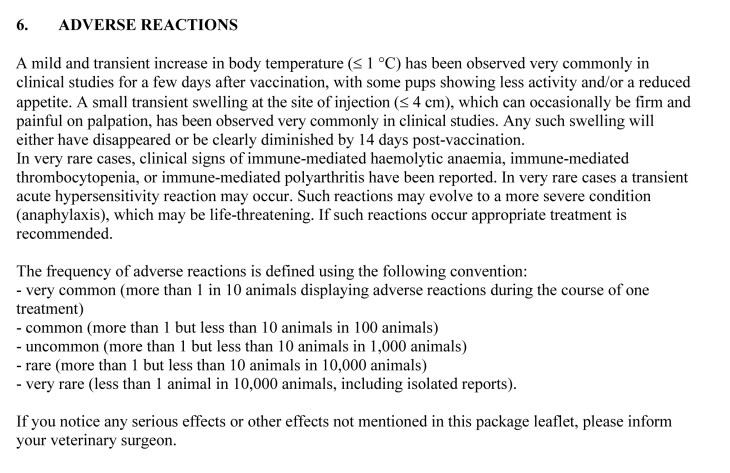
Any vet should not simply inform the owners of these risks, but not even consider using the L4 on a cocker spaniel, the breed known for his predisposition to haemolytic anaemia! Any other reactions such as allergic response and gland and organ swelling should have been considered, too. And dealt with as required – not by suggesting some other, completely irrelevant, disease! Yet, we were told our boy had cancer and the rest is… “the unknown cause”.
As I spent time looking through that data sheet, I also noticed that it contained Thiomersal, a mercury compound.
Mercury is a well-known toxin for both humans and dogs and can cause haemolytic anaemia as well as cardiovascular, haematological, renal, neurological, endocrine and immunological problems.
I am not medically-trained, nor am a qualified veterinary surgeon, but somehow I feel there is a link between those horrible reactions to the vaccine and the presence of his chemical preservative.
I checked all the other vaccines available on the UK market and found thiomersal in Nobivac L2, Nobivac L4 and Canigen. Ironically, these were the vaccines reported by dog owners on many forums and media.
I cannot say that other vaccines are better because there is no medication that does not cause side-effects. And I am not going to suggest avoiding the vaccinations all together because it really is thanks to the vaccines that we no longer have a number of life-threatening diseases that used to wipe out nations and, in canine case, lines and breeds! Vaccinating a dog is important because the right vaccine can save, not take, his life.
What else can you do to protect your fur baby?
Speak to the vet. They MUST discuss options with you prior to any treatment and they MUST have several vaccines available. If they don’t, change the vet – stop supporting a business that does not care about your dog.
Titre test your dog for antibodies to avoid unnecessary boosters. The core vaccines (parvovirus, adenovirus and distemper) do not have to be administered every year, but once every 1-3 years depending on the vaccine and titre results. If you choose not to titre test your dog – vaccinate! Do not just skip a year or two because your dog “seems alright”.
The leptospirosis, which also belongs to the group of core vaccines in the UK, needs to be done annually. Do not take risks.
The non-core vaccines (rabies, kennel cough and lyme disease) should be discussed with the vet and used according to dogs lifestyle and location.
If you live in the UK, you do not need to have a four-strain leptospirosis vaccine – one of the newly introduced strains has not been detected in the UK yet, and the other one – is rare and region specific. Your vet should know about it – they have an access to the official quarterly and annual reports clearly showing the number of cases for each disease. Read the guidelines issued by the government, BSAVA and WSAVA, they provide all the information you need to know. It is important to vaccinate against two strains of leptospirosis annually using the most appropriate vaccine chosen by the vet to suit your dog.
Be cautious with nosodes – the holistic alternative to regular vaccines. I am yet to see any scientific evidence. Right now, it feels very medieval to me.
If you believe that your dog suffered a reaction to a vaccine, any vaccine, please report it to the Veterinary Medicine Directorate.
Know your rights. Every veterinary surgeon must follow the Code of Conduct. And as a dog owner you need to know what those rules are and report those who do not follow them.

 ,
,  and
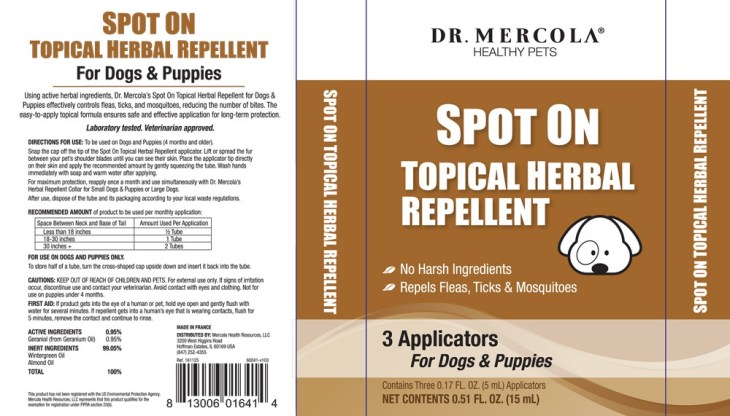
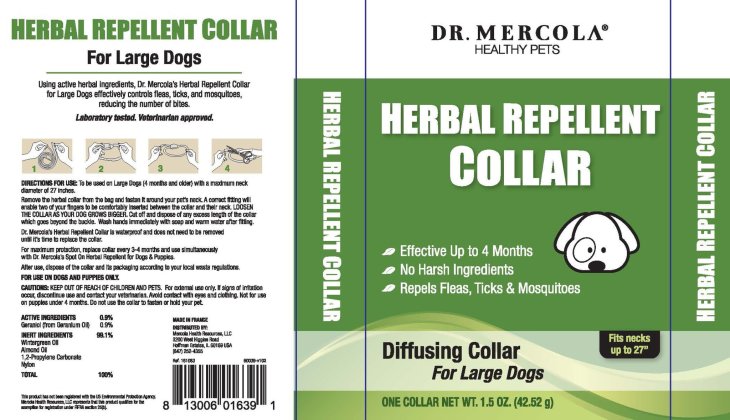
and  . One thing you need to know about Dr Mercola and his team is that the guys tend to say things as they are, no nonsense, no gimmicks and most definitely no trendy fads. I trust them whether we are talking human nutrition or pets wellbeing. So I have got high hopes for their tick range.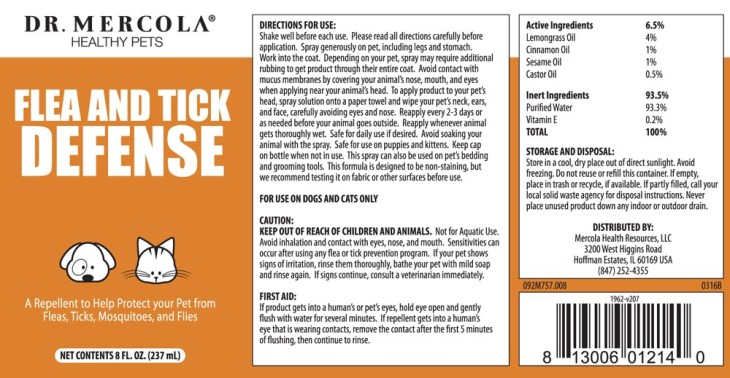

 PERFECT COCKER SPANIEL