A couple of weeks ago I talked about a few points of training a cocker spaniel and was absolutely thrilled when so many of you replied, shared your thoughts and asked questions.
One of the most popular requests was about the frequency and length of training, so I thought I’d talk about it today. As I’ve always trained my dogs myself I got to experience quite a few views about the process.
Years ago, when I first got into dog life, the training practices were very different compared to today’s ones. The former were almost military-like, very strict, very precise, more focused on the results and the owner. The dog was there to achieve and perform no matter what and the ones who didn’t were regarded as useless. I never really got too much into that and trained my first boy to suit our life and have fun more than anything else. To be fair, he was a poodle, one of the most intelligent breeds. He never needed much work as everything was learnt and remembered based on a few little lessons (and his own canine experiences).
These days it’s all about positive training. A wonderful way to ensure that the dog does not only learn something, but feels like a happy confident genius and builds a strong lasting bond with his parent/trainer.
But what about the duration of the training? When is the best time to start? Where is the perfect place to do it? When is the ideal point to stop? It can be confusing.
To get your brain buzzing I’ll start with a wonderful and very straight-to-the-point quote by Heini Hediger, a Swiss biologist and the “father of zoo biology”…
“Good training is a disciplined play”
In other words and in my opinion, a training is only successful if it is fun and leaves you and your dog feeling liberated, joyful and content about achievements, however little they may be.
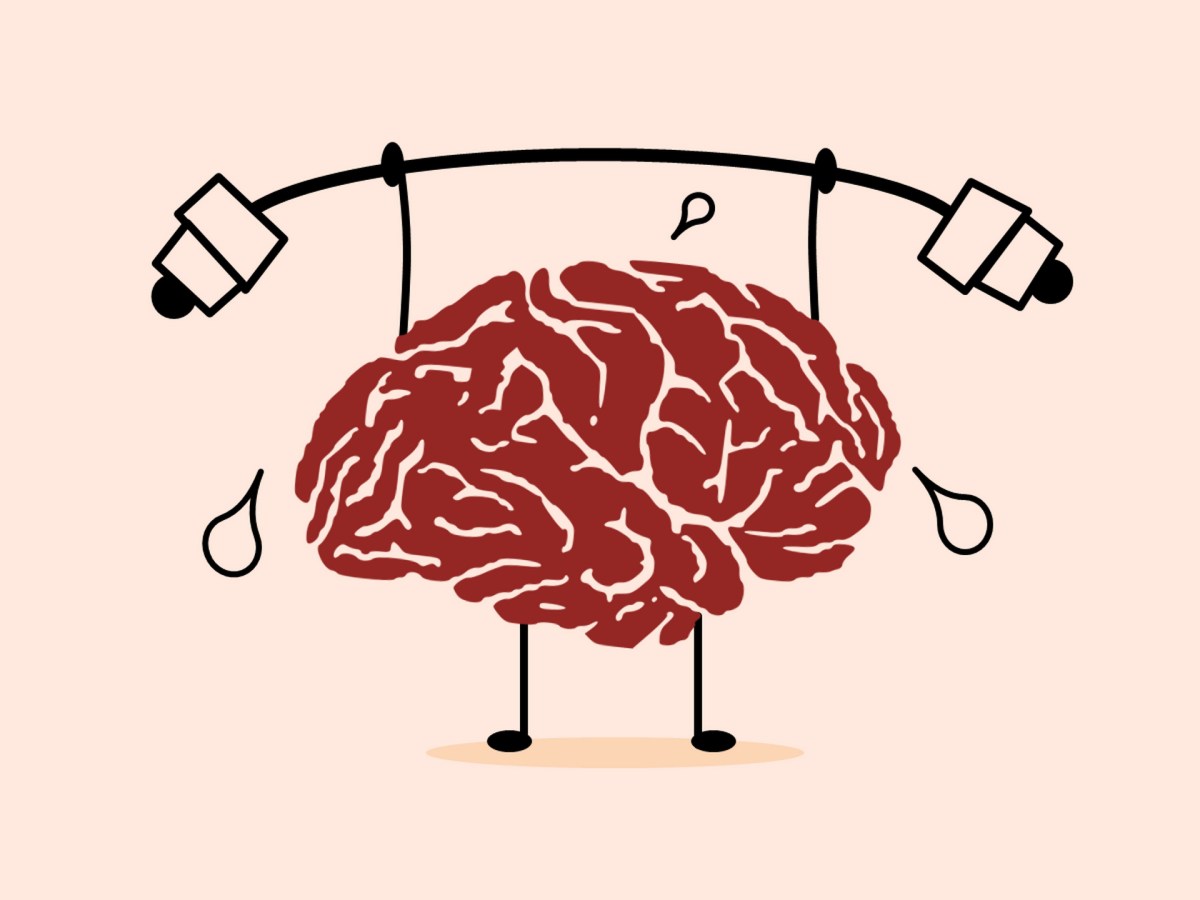
I think that training a dog should also be perceived as a work out (for the brain, in our case, but still… the mighty grey and white lamp of fat has feelings, too). Imagine, you decide to strength train. You have two options – do a series of exercises based on your personal goals, every day, for a short period of time, consistently. Or you go to the gym once or twice a week and absolutely kill yourself there for hours, performing every workout routine known to man, to “compensate” for all the days in between.
If you choose the first option, you are likely to achieve fantastic results because you will pay attention to every muscle group in your body, you will not overwhelm your immune system (every physical activity depletes the body from essential nutrients that must be replaced for proper recovery and rejuvenation) and you will not experience the aches and tiredness that make you collapse.
On the other hand, spending a few hours at a time will most definitely leave you exhausted for days, give you a stinking cold (because that’s how your immune system is likely to respond to your efforts) and probably put you off working out in a week or two.
Same with dog training. Do it in short regular bubbles – and it will be a fun way to keep moving forward. Keep it to one or two long sessions a week – and see your dog feeling tired, frustrated and possibly reactive as a result.
So my ideal training is a consistent daily routine made up of a few quick sessions based on individual dogs and their personal abilities and needs.
We have a bunch of tricks and cues to practice or learn, but never really schedule or time our exact lessons. Each little “burst” takes about 5-15 minutes depending on our location and time of the day. We train in whilst boiling a kettle or during advert breaks on TV to practice “sit”, “down”, “stay”, “fetch”, “paw” etc… Or learning to “wait” for the food or food toys to be prepared and served. We train during our walks to perfect “heel”, recall, “stop”, “stay”, “paw”, standing on objects, “look”, listen”, “let’s go”… the list goes on…
At home we learn new tricks in the afternoon or play “find food”, “leave”, obstacles, brain games, not barking (work in progress, but we are slowly getting there) in the garden or house. Whenever the boys run to me from the garden I use a recall cue and treats. Currently, I am also teaching boys to take turns while we train, so ensure that one is happy to calmly wait on a sofa or “mat” while I am busy with the other one. I don’t like separating them during training times, let alone keep one crated, so this is our way to be together always.
It is also very important to always keep an eye on the dogs’ body language and facial expressions to make sure that they are enjoying the process. Stress isn’t a great helper when you train because it literally blocks the brain from getting the messages or remembering anything. That is why any sign of over-excitement (which can happen in 5 minutes or 20 minutes, depending on the type of exercise, timing and location), annoyance, boredom or tiredness is a signal to stop, ask for a much-loved and well-known cue and conclude the session with a treat and a calm cuddle.
One more point to bear in mind is to never train when you are not feeling your best. You may try to fool yourself, but the dogs will always pick on your emotions and physical state and react to it.
And what if you are trying to train a puppy? I’ve got it covered in my Perfect cocker spaniel book. Each chapter in the Practice sessions comes with puppy training tips based on his age and needs. I just thought I’d mention it in case you’re new here.
Photo credit: image by Tumisu from Pixabay

 PERFECT COCKER SPANIEL