
Scientists discover new precise way to calculate dog's age in human years / new research in DNA methylation and genetics / how old is my dog in human years / Perfect cocker spaniel blog / breed and puppy guide, grooming tips, diet and nutrition, cocker spaniel puppy training / canine nutritionist, dog dietician, pet nutrition coach / (C) Natalia Ashton

Science discovers a more precise way to convert dog’s age into human equivalent

Remember being told that you can convert your dog’s age into human years by multiplying the former by 7?

Well, the latest research published in the Cell Systems magazine tells us that it’s not as straight forward and our dogs may, in fact, be older in human years than we previously thought…

This time the scientists took blood samples from 104 labs spanning a 16-year age range to follow the changes that occur within the dog’s DNA sequences over lifetime. They then compared them to 320 human samples taken from people aged between birth and 103.

The aim of the study wasn’t simply finding out the most perfect age conversion. Instead, the researched wanted to compare the changes that occur in dogs’ and humans’ genes as we age, see how these changes can be utilised to improve the quality of life, and learn whether or not “the methylome* can be used to quantitatively translate the age-related physiology experienced by one organism (i.e., a model species like dog) to the age at which physiology in a second organism is most similar (i.e., a second model or humans)”.

These changes tend to occur at certain milestones of our lives showing as new attachments of the DNA structure (called DNA methylation), thus allowing the researches to use the DNA and these alterations (also referred to as the “epigenetic clock”) as a reliable estimate of a person’s age.

The dogs were chosen for the study because they are the species we tend to share our lives, diet, chemical exposure and environment more than any other animals.

The highest similarities in sequence changes were noted in young dogs and young adults, as well as senior dogs and older people. The results of the analysis also showed that an 8-week old puppy is likely to be equal to a 9-month old baby, will be similar to a 31-year old by the time he turns one, and the 12-year old lab can be compared to a 70-year old adult. The adolescent stage was less predictable, possibly due to the fact that dogs have a shorter lifespan.

For me, another fascinating discovery was the dramatic age jump during the first year of dog’s life (from birth to being 31!) yet how the process slowed down once the dog celebrated his third birthday.

The geneticists did come with an algorithm for calculating the age, which was a bit more challenging than multiplying our dog’s age by 7.

human_age = 16 ln(dog_age) + 31

If you fancy doing it yourself, you first need to multiply your dog’s natural logarithm by 16, then add 31.

However, I did the maths for you to keep things simple…

Dog’s age = 1 years old / Human age = 31 years old

Dog’s age = 2 years old / Human age = 42.1 years old

Dog’s age = 3 years old / Human age = 48.6 years old

Dog’s age = 4 years old / Human age = 53.2 years old

Dog’s age = 5 years old / Human age = 56.8 years old

Dog’s age = 6 years old / Human age = 59.7 years old

Dog’s age = 7 years old / Human age = 62.1 years old

Dog’s age = 8 years old / Human age = 64.3 years old

Dog’s age = 9 years old / Human age = 66.2 years old

Dog’s age = 10 years old / Human age = 67.8 years old

Dog’s age = 11 years old / Human age = 69.4 years old

Dog’s age = 12 years old / Human age = 70.8 years old

Dog’s age = 13 years old / Human age = 72 years old

Dog’s age = 14 years old / Human age = 73.2 years old

Dog’s age = 15 years old / Human age = 74.3 years old

Dog’s age = 16 years old / Human age = 75.4 years old

So how old is your cocker in human years? I am still struggling to process the fact that Coop is already over 50 and my little Fred is same age as me, if not a bit older. Quite a shock to the system, mainly mine, of course.

* the activity within the DNA that changes during our lifetime
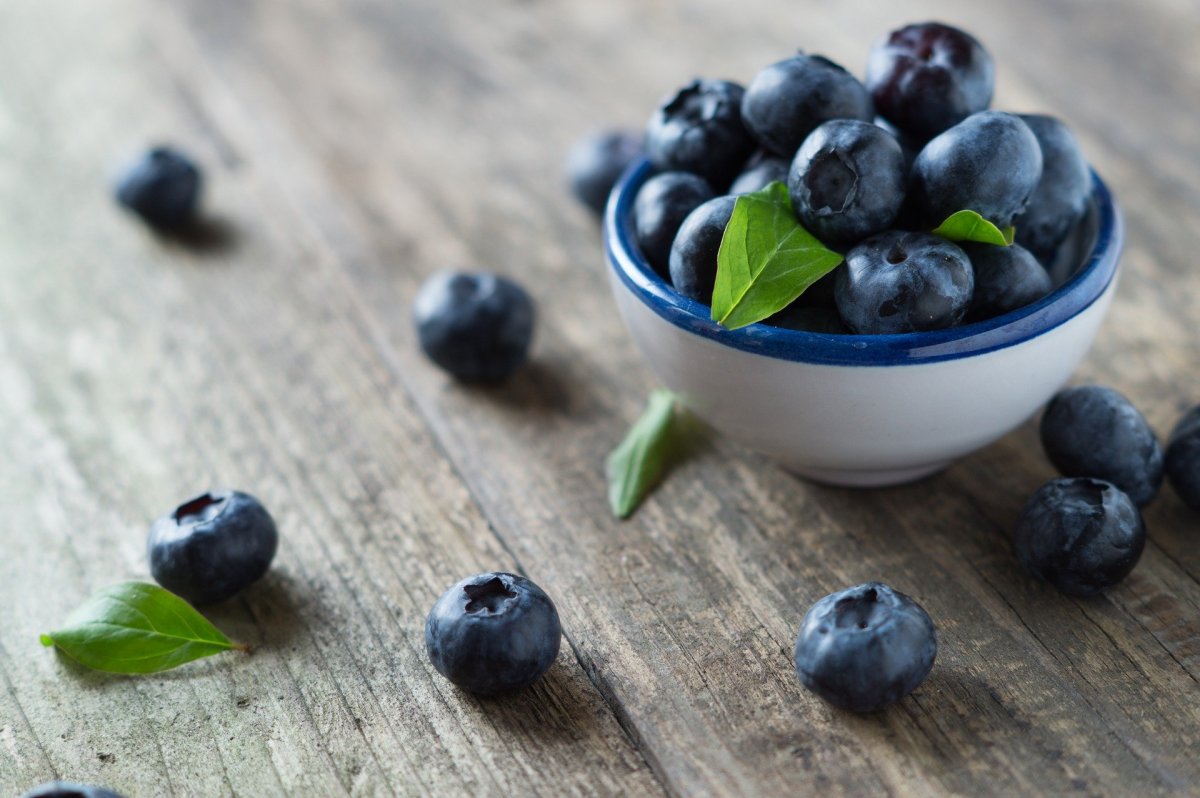
 

Photo source: image by athree23 from Pixabay

Can my dog eat blueberries? Nutrtional benefits of blueberries for dogs. Why blueberries are good for healthy eyes, skin, bones, reduce pain in arthritis, after antibiotics, cancer and diabetes / Nutrition advice and diet for dogs by qualified canine nutritionist / Perfect cocker spaniel / Pet blog for english cocker spaniel grooming, advice, tips, health, diet, behavior and training / (C) Natalia Ashton

Can my dog eat… blueberries?

It would be a sin not to talk about blueberries in the heat of summer. These teeny tiny power houses of nutritional goodness are in season right now and worth a note of appreciation.

CAN YOUR DOG EAT BLUEBERRIES!

YES, a big joy-bursting Yes!

My guys love them so much, they know blueberries by name. Even more, I truly think boys see them as a high value treat, too.

The little berries are not only delicious. First and foremost, blueberries contain important vitamins and minerals including vitamin A to support vision, vitamin K essential for blood clotting, vitamin C important for resilient immune system and formation of collagen to keep connective tissue, skin and skeleton healthy, plus manganese for bone development and copper – to support haemoglobin production.

But what you are most likely know about blueberries already is that they are often referred to as “superfoods” because they are packed with antioxidant phytonutrients including anthocyanins, resveratrol, catechin, ferric acids, quercetin, myrecitin, and kaempferol, to name a few. And since a lot of research was carried on animals, we can turn to it and see how the berries can benefit our dogs.

Because of the high phytonutrient content blueberries are the berries known for their anti-inflammatory properties. One study showed that blueberries helped to reduced the symptoms and progression of rheumatoid arthritis. Another study that used sled-dogs showed that blueberries may also reduce the effects of oxidative damage and improve muscle recovery post-exercise in active dogs.

They are also said to support healthy blood pressure and reducing the risk of heart disease, which is very important for cocker spaniels who may be genetically prone to heart issues.

Another benefit of blueberries is blood sugar support, which can help maintain healthy weight and reduce risk of diabetes in both dogs and humans.

Some resent studies also suggest that the high phytonutrient content may help to reduce the risk of several cancers and support the nervous system and brain health.

Adding blueberries to your spaniel’s meals may support his vitamin K levels after a course of antibiotics. Of course, you will need to check it with your vet first.

So if you think about it, the little berry plays a very important role in keeping most of the body’s systems functioning properly and remaining desease-free.

How much to feed? It is generally accepted that you can feed 1 berry per 1 kilo of your dog’s body weight per day. However, you also need to bear in mind all the other treats your dog may eat on the same day and adjust the quantities accordingly, so the total quantity of treats is no more than 10% of his total daily food intake.

Fresh berries are likely to be more beneficial, but if they have to endure long transit times or are out of season, you can get plenty of goodness from the frozen blueberries, too.


Photo credit: image by LC-click from Pixabay

Why my dog eats poop? Medical, behavioural, nutritional, diet, health reasons for coprophagia in dogs / Is it normal for dogs to eat own poop? / How to stop puppy to eat own poop? / Training, health and diet tips to stop dog eating poop / Perfect cocker spaniel pet blog and guide to English cocker spaniels, cocker spaniel grooming, health, diet, nutrition, training & puppy tips / (C) Natalia Ashton

Help! My dog eats poop! | Reasons for canine coprophagia & how to deal with it

The pup goes to the garden… He does his business nicely… You feel so proud of having such a brilliant clever dog. You victoriously pull out a poop bag like a flag celebrating your success in house training…  Then, to your shock and horror, the pup grabs his own poop and swallows it, often with a grin on his little face. And you feel like dying inside…

Sounds familiar? Too embarrassing to admit?

The thing you need to know about canine coprophagy, the proper scientific term that describes the act of dogs eating their own faeces, is that it is a lot more common than you think. If we talk numbers, between 16 to 49% (according to 2008 & 2018 studies) of dogs would eat their own poop. Quite a big number, isn’t it?

But do the numbers make it feel better, normal or acceptable? Or be a sign of concern and call for action?

After talking to many pup parents all over the world, I felt that we really need to address this subject here for both your sanity and the health of the dogs. Especially because the information available to us from both the internet and literature can not only be confusing, but often conflicting.

Let’s discuss…

Is coprophagia a normal behaviour?

No, it’s not. With an exception for bitches who care for their new born pups, dogs are not meant to eat their own excrements. The mum does it because the dogs are very clean animals and would not mess inside their nest. The puppies are not able to do much about it during their first month of life, so their mum comes to the rescue. However, as studies show, come day 32 and the puppies will try to get away from their immediate sleeping den to avoid soiling it.

Whenever you hear people (even some experts!) say that it is absolutely normal for dogs of all ages to eat their own faeces, they often base their statement on wolves behaviour, which is very different from the canine. The normal behaviour for dogs is to be interested in faeces of other species both for eating purposes or rolling in them…

What factors can lead to the development of this habit?

Behavioural environment: the dogs that share their home with other dogs seem to show the tendency of poop eating more often than the single-household pooches. The younger dogs (not necessarily puppies!) can learn this habit by watching older dogs in the same household (note that puppies do not learn poop eating from their mum simply because she looked after them as newborns). Kennelled dogs who may be anxious and dogs that were either born or spent their lives in puppy farms can also develop this habit.

Eating habits: greedy eaters (including the ones who beg for table scraps and tend to steal food off the table) are more likely to have tendency for coprophagy.

Gender: female dogs seem to be more into this habit than males. Additionally, all neutered dogs (both males and females) were more likely to be attracted to their own poop than intact dogs (42% of neutered males vs 6% of intact males and 41% of neutered females vs 7% of intact females)

Medical reasons: even though this does not get mentioned a lot, as a nutritionist I strongly suggest a thorough vet check for all dogs who develop a taste for their own faeces. First of all, the most obvious reasons would be the gut issues including bacterial imbalance, enzyme deficiencies, parasites and digestive problems. Dogs that have been on prescribed medication, antibiotics, suffer from pancreatitis, thyroid problems and diabetes, can  turn to poop eating to either replenish gut bacteria or rebalance enzyme levels, address nutritional imbalances caused by medication or illness, or in response to appetite changes.

Nutrition: poor quality diet can be one of the biggest reasons because the dog will simply seek ways to get the missing nutrients elsewhere. It does not necessarily mean that all dogs fed kibble will be malnourished and dogs fed home-made diet will get everything they need. This is all about complete and balanced recipe. From a nutritionist’s point of view I can assure you that a complete commercial dog diet is much more reliable than anything you’d make yourself.

What you can do…

Ask your vet for a thorough examination and, if possible, tests.

Be very particular about worming schedule and medicine for your dog to prevent any issues and even spread of some bacteria and parasites from the dog to the family. Stool test every 6 months would be an advantage.

Look into your dogs diet including main diet, all treats, table scraps, anything he tends to scavenge on walks, as well as his feeding schedule. Many scavengers would benefit from having 2-3 meals per day, not one.

Clean after the dog as soon as he is done. If you are worried that he may reach down for the fresh poop straight away, toss a treat in an opposite direction to encourage him to run away, giving you a chance to scoop everything up.

Teach a reliable “Leave It”.

Walk your dog on a lead for a few weeks to put you in control over the situation until you get to the bottom of it.

Ensure that your dog get enough mental stimulation and exercise through walks, puzzle games and training, and is given an opportunity to relax and rest.

What you should not do…

Experiment with various diet supplements design to put your dog off eating his poop. I am not a fan of using unproven methods that end up in dog’s body and may cause a variety of issues.

Use digestive enzymes without prior vet check and consulting your veterinarian about the choice. Digestive supplements are often recommended by holistic practitioners, however, so far the studies have shown no positive effects of such supplements on dog’s ability to digest nutritients.

Use pineapple remedy. If you choose to try it, be cautious. Adding fresh pineapple to dog’s diet is a trick many dog owners rely on. However, it has not been scientifically proven, and it can affect your dog’s digestive system due to high levels of enzyme called bromelain. On the other hand, pineapple does contain vitamins and minerals that the dog may be seeking when eating poop, so the best way is to a) have a vet check and b) try feeding your dog a very small, about a cube, amount of fresh pineapple flesh to begin with and see if it makes any difference.

Add chilli pepper to your dog’s diet, inject chilli extra into dog poop, or use any diet solutions with added capsaicin extract, an active substance found in chilli peppers.

Use physical punishment, yelling, electric collars, jars with stones, or training disks if you catch your dog in the act. Negative punishment never works! It may stop your dog from eating the poop out of fear – but it can also encourage him to seek every opportunity to indulge in this habit when and if you are not there to punish him. If a dog suffers from coprophagia due to anxiety issues, any form of negative punishment will add to this anxiety until the dog can’t take it anymore – and find some way to express it.


Photo credit: Gerd Altmann from Pixabay