Can dogs eat apples? Benefits of apples in dog diet. How to include apples in dog's diet. Nutrition tips from canine nutritionist. Healthy treats for dogs and puppies

Can my dog eat… apples?

You know what I find really interesting about the “apple to my eye” phrase? Not its actual meaning of devotion towards somebody especial, but the facts that this beautiful fruit can actually support eye health. Yet the crown of “vision food” is always given to carrots. 

We will get to this a few sentences later. But for now I have a question of the day for you…

DOES YOUR COCKER LIKE APPLES?

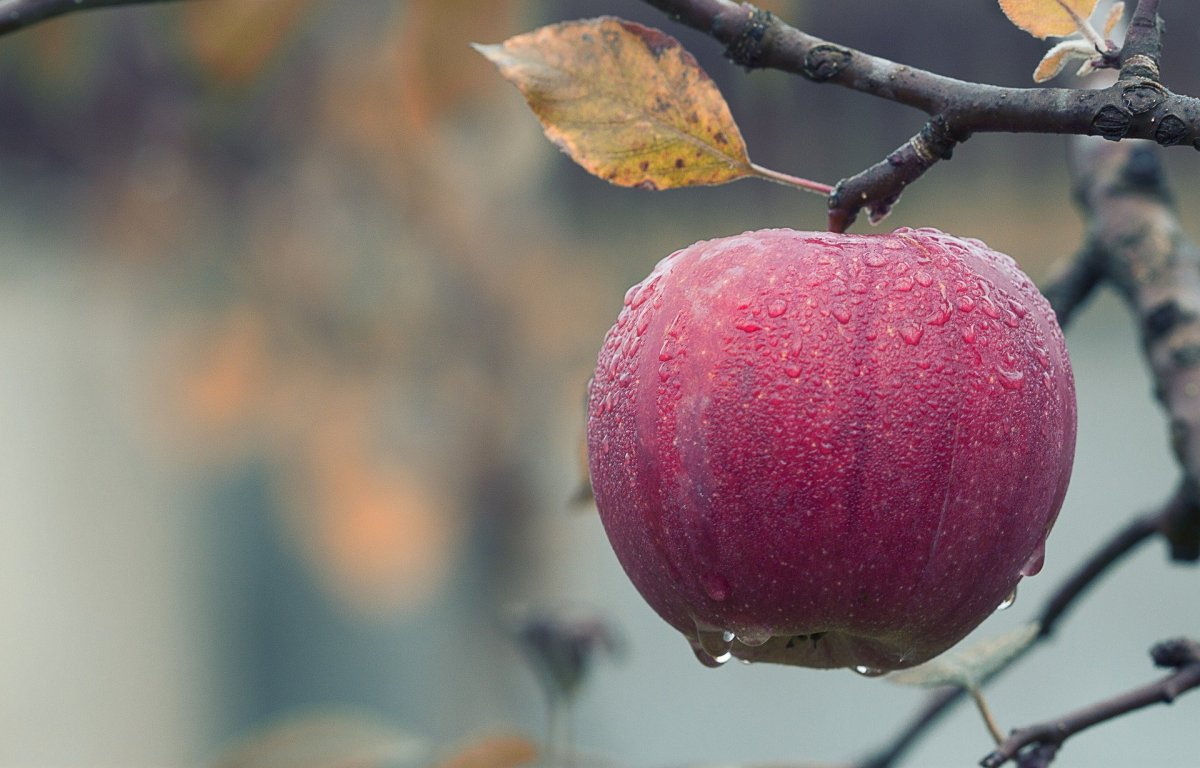
The simple, crispy and beautiful fruits are coming in season right now, and I really wanted to bring your attention to them as a reminder that dogs can definitely eat apples – and it will be beneficial for them.

Apples contain vitamin A that takes care of healthy eyes as well as helps to maintain beautiful coat and skin. 

They are a source of vitamin C to support immunity and reduce the risk of allergies. Vitamin C is also important for collagen production and taking part in maintaining tissues and joints.

Apples also provide B vitamins important for energy, resilience to stress, proper metabolism and even skin and coat health, plus vitamin K essential for formation of blood clots, enzyme production and transport of calcium to the bones.

The fruit is a source of calcium, magnesium, potassium, phosphorus and boron. Think strong bones, muscle and nerve cells functions, and DNA synthesis.

Fibre is another reason to include a little apple in the dog’s diet. Apples contain both soluble and insoluble fibre. They not only clear out the toxins from the digestive tract and help it work like clockwork (insoluble fibre), but also feed friendly gut bacteria (soluble fibre such as pectin). 

Research showed that high antioxidant levels in apples prevented growth of cancer cells and reduced cholesterol in both human and animal studies.

REMEMBER before feeding apples to your spaniel that…

… 1-2 thin (2-3mm in thickness) slices are all your dog needs – always start with a bite of two as an introduction

… too much fruit can cause bloating, gas and diarrhoea (so stick with the rule above)

… you can use raw apple slices, grated apple (about 1-2 tsp) or 100% apple pure (1-2 tsp per day for a cocker) 

… apple puree & grated apple are great on lickimats

… always core the apples to remove the middle bit, stalk and seeds

… never let the dog eat spoiled apple or the ones found on the ground (unless they are perfectly nice and have been washed before feeding to the pups)

I am so in love with this fruit, I already talked about it in Beyond the Doughnut where I shared nutrition trivia and recipes. And my upcoming cookbook will have even more ideas. Because apples really are worth it. 


Photo credit: apples by Mircea Ploscar via Pixabay
Probiotics and probiotics in dog diet, importance of friendly bacteria for canine health. Does my dog need supplements? How to add probiotics and probiotics to dog diet? Advice from canine nutritionist and dog nutrition coach. Perfect cocker spaniel. Blog about English cocker spaniels, grooming, training, diet, puppy care, behaviour and more

A simple way to keep your dog healthy for longer

Want to keep your dog healthy for longer? Here’s another diet secret that you need to know…

Aging changes many things including the gut – it may become thicker and less able to move and absorb food efficiency. It can also change the levels of good and bad bacteria that help to control inflammation, reduce the risk of many illnesses, support strong immunity and even have effects on behavior (Pilla et al, 2020, Baum, 2007, Masuoka et al, 2017, Mondo et al 2020)

How can you help? Use age-appropriate diets that contain probiotics (good bacteria) and, importantly, PREBIOTICS (they feed the good bacteria)

In the test study dogs fed commercial food with probiotics not only showed improved levels of good bacteria, but also much lower levels of inflammation markers (known as C-reactive protein). The dog from the non-prebiotic group had high levels of C-reactive protein), higher levels on bad bacteria and lower levels of good bacteria.

So besides checking if your dog food is age-appropriate and complete, look for FOS, MOS and probiotics on the product label.

Do not be tempted to DIY with supplements. It is not a good idea to experiment with pre- and probiotics unless you were specifically prescribed them by your vet.

Do include food sources of pre- and probiotics alongside the main diet as treats (10% or less of your dog’s daily intake) – natural yoghurt, kefir, dandelion leaves, apples and oats (my Beyond the doughnut cookbook has some yummy oat-based recipes)


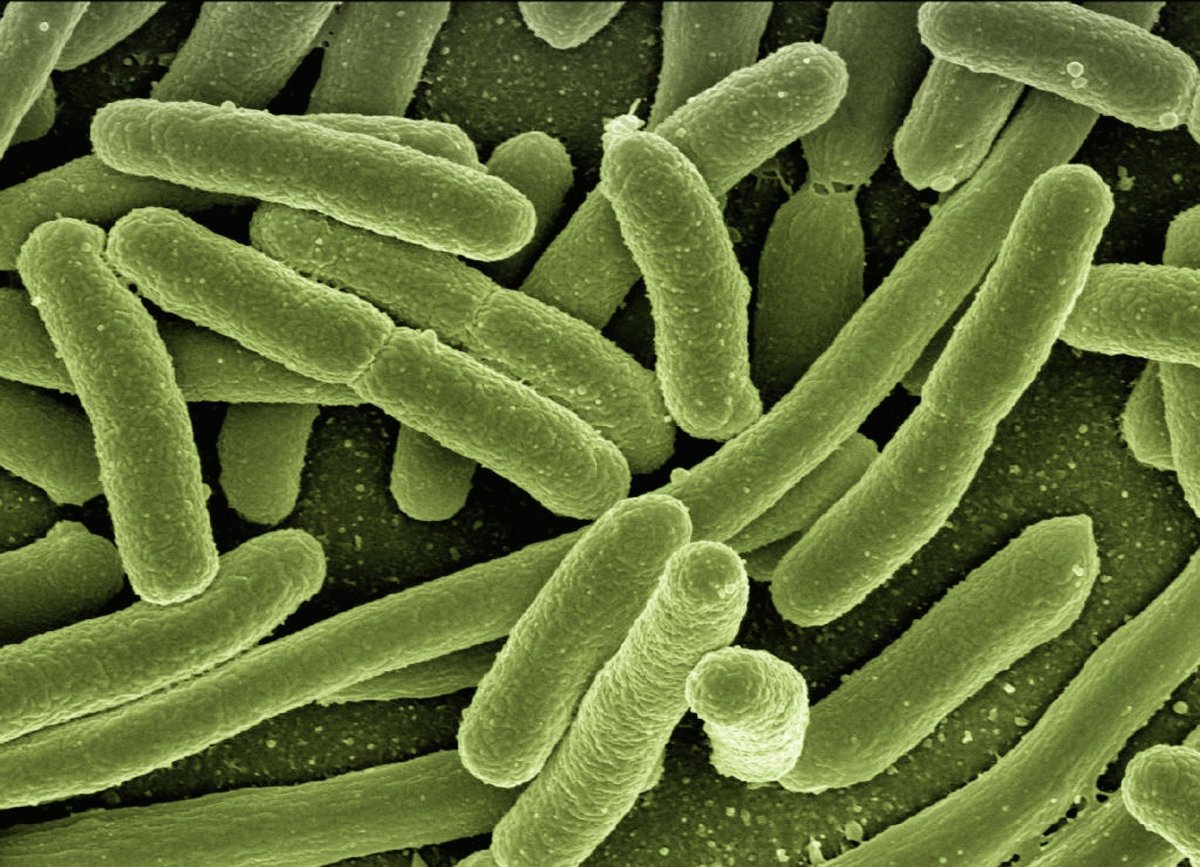
Photo credit: bacteria by Gert Altmann via Pixabay

Watermelon for dogs. Can dogs eat watermelon? benefits and precautions when feeding dogs watermelon. Nutrition for dogs. Perfect cocker spaniel blog written by qualified canine nutritionist and pet nutrition coach (C)

Can my dog eat… watermelon?

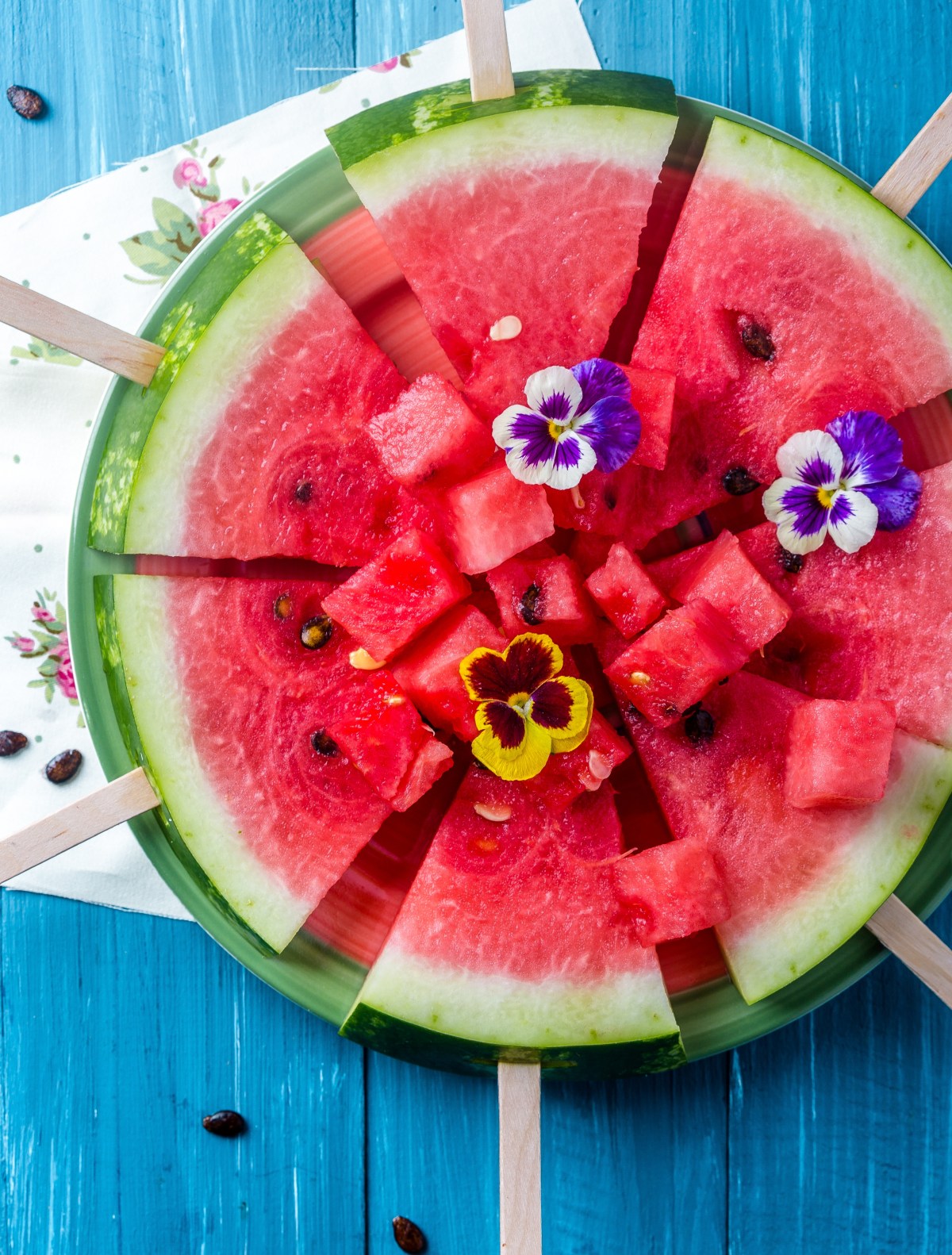
Let’s talk about the biggest berry in the world. The most beautiful, juicy and highly instagrammable summer delight that is watermelon.

Watermelon is delicious and many pups adore it.

But CAN DOGS EAT WATERMELON?

YES, they can, but there are pros and cons you need to know before feeding the fruit to your spaniel.

Watermelon is 92% water, which makes it hydrating, especially on a hot day.

It is a source of beta-carotene, vitamin C and group B, calcium, magnesium, potassium and iron.

Antioxidants in watermelon may reduce inflammation, the risk of heart disease, age-related macular degeneration and some forms of cancer (according to human and animal studies)

The fruit is a source of amino acid citrulline that may help with reducing blood pressure.

The juice of the wild watermelon showed potential in inhibiting he replication of influenza virus in dogs (Morimoto et al, 2020)

Another study noted that including watermelon in a diet may reduce the risk of diabetes, protect pancreatic cells (Ahn at al, 2011) and reduce and maintain body weight (Wirth et al, 2020, Shaneley et al, 2020)

Dogs who were given watermelon extract as a drink showed reduction in leptin levels (a hormone involved in weight, inflammation control and diseases associated with canine obesity) and inhibited formation of urine crystals (Miyai et al, 2018)

The WORD OF CAUTION…

High water and fibre content of watermelon means that dogs should only be given small quantities of the fruit – or they may end up with diarrhoea. Start with a couple of small bites and gradually increase to a tablespoon / ice-cream scoop of flesh.

Avoid the seeds! They can cause blockages if swallowed, and also contain anti-nutrients called tannins, phytates and oxalates (Addo et al, 2018)

Do not feed the rind (both the white and green parts) because it can lead to vomiting and diarrhoea.

If your dog has any diagnosed conditions and/or on prescription medication or diet, particularly anything related to urinary or cardiovascular system, always check with your vet before including watermelon in your pups diet.