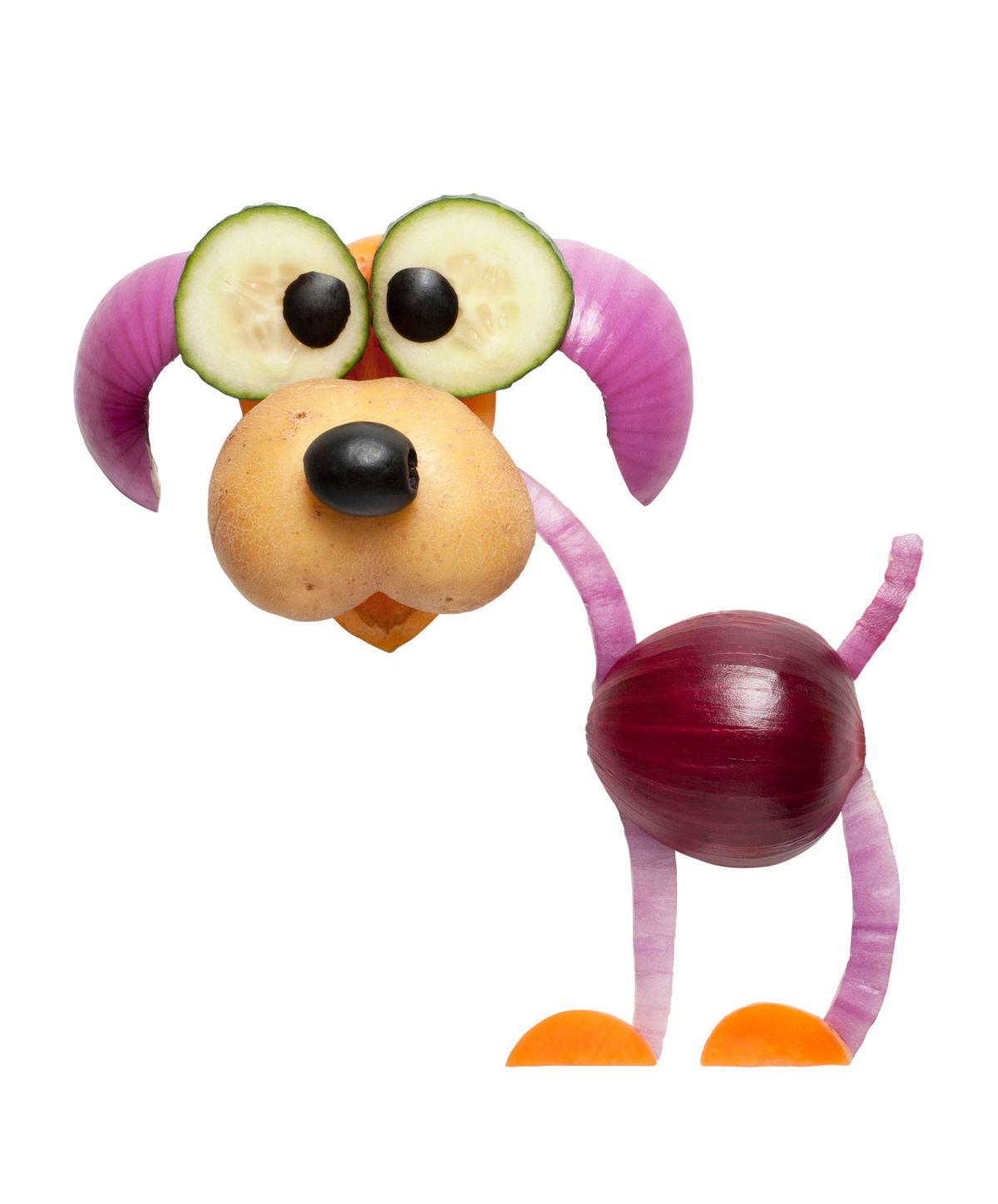
Dog paws in snow photo / Salt, grit, antifreeze poisoning and dangers in dogs in winter / signs of poisoning in dogs / Perfect cocker spaniel book and blog / cocker spaniel tips, advice, grooming, diet (C)

Two winter dangers that can be fatal for your dog

“The frost and sunlight! The winter day’s delightl!” Pushing once wrote (and I briefly translated, so no judgment for my rhyming skills, please!) in his “Eugene Onegin” poetry novel.

He was spot on. Winter is a beautiful season to embrace and enjoy. The dogs adore it, too. Mine cannot wait to get outside and do their version of snow angels, which basically involves rubbing their silly happy faces against the frosty grass – bottoms up, wiggling and wagging.

They think everything about winter is fun. But unfortunately there are two serious dangers neither pups nor many pup parents are aware of, so we need to talk about those today.

SALT & GRIT (also called de-icers) appear on our roads and paths at the first hint of arctic breeze. They can be easily spotted as most have a pink or terracotta-like tint. Both can be extremely dangerous for dogs and even cause a fatal outcome. Even though salt seems pretty harmless (we do eat it, don’t we?!) the combination of sodium, chloride and ferrocyanide can cause severe irritation, burning and cracked paws if the dog walks through the grit.

Licking the paws or de-iced surfaces can be life-threatening because the excess of sodium chloride is toxic to dogs leading to a condition called hypernatremia.

The symptoms of poisoning include vomiting, diarrhoea, lethargy, lack of coordination, excessive thirst, frequent urination, tremors, seizures and coma. The paws can look red, swollen, irritated, cracked and excessively dry.

Protect your spaniel by diligently washing and drying his paws after every walk (even if the path and roads you walk on seems grit-free); applying protective paw wax before each walk and, if the gritting is excessive in your area – considering dog booties; stopping your dog from licking his paws and any surfaces that may contain traces of grit.

But what if the path is still slippery? There are a few ways to stay safe:

… invest into non-slip boots;

… use a shovel to clear the path from the snow and thick ice;

… splash the path you use most frequently with a bucket or two of hot water – it’s enough to melt the ice and frost;

… use plain rough sand instead of grit and salts – it will give you the needed grip yet will be absolutely safe for your dog.

ANTIFREEZE is the other danger of winter. The solution contains ethylene glycol that tastes sweet to dogs and a small dose can lead to kidney failure and death. Even if you are incredibly careful when using it for your own car, the antifreeze residue can be often found on roads, parking spaces and snow and get onto your dog’s paws.

Dogs are one of the most susceptible species.

The symptoms of poisoning can appear within 30 minutes following ingestion and include nausea, vomiting, drunken behaviour, lack of coordination and knuckling, excessive thirst and urination, loss of consciousness, coma and death.

Protect your dog by storing antifreeze away from your pooch’s access; using it correctly and cleaning any residue on your car, hands and surfaces; washing your dog’s paws after each walk and, should you suspect anything odd, taking your spaniel to the vets immediately.

Have a safe and enjoyable winter! 

Photo credit: image by petronela from Pixabay

Can my dog eat vegan diet? Vegetarian and vegan diets benefits, pros and cons, dog nutrition advice / Perfect cocker spaniel blog / book / English cocker spaniel grooming, puppy tips, advice, training (C) Natalia Ashton #worldveganday

Is there such a thing as a healthy vegan diet for dogs?

One of the very first books about dogs I’ve read was published in England. So it was rather modern and free-thinking in comparison to many other tomes I had. Besides the usual guides on breeds and grooming, this book (unfortunately I can no longer remember its title) had a chapter about vegetarianism for dog in case some people decide to feed their dog according to their ethics. The advice was very sensible, as far as I remember, and pretty do-able for any true vegetarian. The book clearly showed that a dog can definitely live on a meat-free diet and remain well as long as his food contained dairy, eggs and fish (think ovo-vegetarian, lacto-ovo vegetarian or pescatarian diet). Some resent studies also suggest that, just like in people, complete balanced vegetarian diets are associated with several health benefits in dogs (vitality, reduced risk of arthritis, cancer and diabetes, to name a few).

Admittedly, years later I’ve become a vegetarian myself. It was soon after we got Oscar and somehow I realised that I am no longer interested in eating any form of meat. So I went down the lacto-ovo route as the most nutritionally-sensible (and face it – tasty!) choice. The rest of my family, Oscar included, continued enjoying poultry and occasional lamb though. Everyone was happy. Should Oscar ever gone off meat and wanted to eat a diet of eggs and fish I would, of course, let him. But he was the cocker spaniel and his diet was true to what any cocker spaniel should have eaten.

However, about three years ago I could not help but notice a new “breed” of canine food appearing on the market. Yes, the vegan one. Which naturally lead to the obvious question….

Can our dogs really be vegan?

In theory, yes. But only if we base it on the fact that the balanced diet is nothing more but a combination of nutrients including all essential amino acids, fats, carbohydrates, vitamins and minerals – and not ingredients as such. And  theoretically these nutrient blocks can come from any source otherwise many dog food companies would not use wheat gluten or soy protein in their formulas. It’s a bit like building a wall and filling the gaps with all kinds of bricks and stones as long as they fit in.

In reality, putting your dog on a vegan diet can come with quite a few issues…

Lets begin with the obvious. Cockers were bred and raised on meat-based diets. Not soy or beans. It has nothing to do with dogs being carnivores. They are not. Dogs really are omnivores and thus can eat a varied diet of, well, everything and anything including meat, plants and grains. But it didn’t make them choose veganism, no. The good old Obo and his relatives ate meat. So our lovely cockers would want some in their diet, too. Simple.

Another factor worth thinking about is the way most dog diet trends transition from the human ones. We had the Atkins and Keto – and now these are pushed into the dogs. People went carb-free – and so their dogs had to do the same. When dog owners decided to go raw, the whole bunch of companies produced another range of foods. Why? Because trends sell like hotcakes! The problem with every trend, though, is that any person can stop following it at any point (and trust me, as a nutritionist, I have never seeing anyone who would be able to live on vegan, Atkins, carb-free or raw diet for their entire life without consequences or simply giving it up at some point) yet most dogs will have no choice but to eat the same food for days, weeks, months and years, which is likely to increase the risk of many health problems.

Also bear in mind that vegan food for dogs must be balanced with an impeccable precision otherwise they are likely to lack certain amino acids, vitamins and minerals. This can theoretically be achieved through additional supplements, but under- or over supplementing a dog’s diet or using incorrect or low quality supplements can put a strain on the dog’s health – or worse, lead to toxicity.

If you decide to cook the meals at home to avoid genetically-modified ingredients (think soy, corn, maize etc) or the “toxic chemicals” that may lurk in the dog food, you are very likely to fail. For a while you dog may enjoy the meals – most dogs would happily eat a bowl of porridge or rice with carrots and a bunch of greens. But the problem will begin as soon as their natural “amino acid pool” will “dry out” and the body will start missing out on the “building blocks” that are essentials for creating new cells and maintain the immune system.

Even most complete vegan dog foods are likely to be based on a combination of pulses (beans, lentils, peas etc.) or vegan proteins (soy, corn or wheat gluten), which have been linked to many cases of canine dilated cardiomyopathy, a life-threatening disease associated with deficit of specific amino acids such an taurine and l-carnitine that can only be obtained through animal proteins. Additionally, the dog can also become deficient in vitamins B12 and D, which will have a negative effect on several body systems.

In other words, if you choose to try putting your dog on a vegan diet to see what happens – don’t be surprised if your expectations are not the ones you’ve pictured in your head.

My advice? Don’t risk it when it comes to your dog.

Choosing a vegetarian or vegan lifestyle because it can make a positive change to the environment, planet, animals or your own well-being is one thing. Feeding a dog with a vegan diet is something completely different and, lets be honest, against nature.

Dogs don’t have as long as we do, so let them live these years with pride and joy of being an animal.

Make the changes by changing your own habits. Eat less meat, skip it completely or be a vegetarian who has a couple of completely vegan days a week. Don’t waste food. Choose household product and cosmetics made without animal-based ingredients. Go organic. Buy dog food that contains moderate quantities of protein (an adult dog requires 18-28% of protein in dry food, that’s all!), not meat-only or high-protein mixes. Do something. Anything!

If everyone chips in, the little steps will compensate for the fact that dogs do need to eat their meat- (or more precise, animal protein) containing diets. Because we can choose how to live our lives including accepting responsibility for making conscious and health-appropriate choices for our pooches. They may like an occasional carrot but can’t jump in a car and go grocery shopping should their parent decide to replace a tasty chicken dinner with a less-than-palatable kibble made of chickpeas and soy.

As we celebrate the World Vegan Day I will leave you here to marinate the medley of thoughts… Should you decide to learn more about appropriate nutrition for your cocker spaniel, benefits and pitfalls of certain diets or how to choose the best food, you will find the answers in my book, Perfect cocker spaniel.


Photo source: photo by Sergiy Kabachenko via 123rf.com
what to do to help dog during firework season without drugs and medication / tips and advice / Perfect cocker spaniel blog / book guide about English cocker spaniel puppy tips, grooming, hand stripping, health, best diet, nutrition / (C) Natalia Ashton

Q & A | How can I help my dog during fireworks?

None of my dogs but one ever cared about the fireworks. Oscar was the one who got unlucky. He was content for years – we could even walk in the evening without worrying that Ozzy would react to the noise or the sparkles. He was fine. Until one day when our not very bright neighbour decided to fire a petard in his garden less than a meter from me and my dog. He knew we were outside yet chose not to say anything before making me jump and Oscar… well… Oscar got permanently scared.

Since that horrible night any distant sound of a fire work would send him into a panic mode, so we all had to stay in a room, close the curtains and play a movie while lying on the floor to keep Ozzy, who would find his safe spot under the bed, company.

It happened every year and was absolutely heartbreaking.

So when I get to talk to other pup parents whose dogs are scared of the fire works I can understand their frustration, anger and helplessness. It kills you to see your dog in such a state.

It it was up to me, I’d ban the DIY shop-bought fireworks completely. Because I don’t believe that 5 minutes of cheap nasty fun is worth the fear experienced by 40 % of dogs in the UK.

For now we need to be prepared in advance and here are a few ideas that may work for your pooch.

First of all, stay calm. Dogs can sniff the change in our emotions including stress and anxiety – and alter their own stress hormones to mimic our state.

Don’t change the routine. Any specific preparations need to be done as smoothly and routinely as possible. The smart cocker can easily learn that drawing the curtains or glances at the window at certain time of the day can mean that terrifying noise and flashes are about to happen. Try to distract him with a play (or even better – training with treats, or a yummy dinner!) whilst somebody else does the prep.

Have a fab long walk in the morning and a couple of training sessions during the day to tire your cocker physically and emotionally.

Don’t walk after dark. The sudden noise and flashes can not only traumatise your spaniel, but make him run off into the darkness.

Keep your dog indoors. If you need to pop out to the garden, ensure that nobody is about to fire a petard nearby. It’s always worth asking the neighbours if they are planning to do so and letting them know that you have a dog who is scared of the fireworks.

Build a den. It does not have to be a crate. Cover a chair with a blanket, put another blanket and a toy inside. A chew toy or treats can also distract some less sensitive dogs and help them relieve anxiety through chewing and licking.

Create some “positive noise”. A good movie or better still, a compilation of tunes chosen for their ability to calm a dog, can work wonders. This year Classic FM will be playing Pet Sounds on 2 and 5 November.

Train your dog to ignore the fireworks – this has to be done in advance, ideally when the dog is still young and learning about the world. There are wonderful CDs that play “life noises” including the fireworks. Alternatively you can have them on your iPhone. Use whilst you are playing or cuddling with your pup. If it’s an older dog who is already uncomfortable (but not completely frightened!) with the sound of the fireworks, you can slowly recondition or desensitise him by playing the fireworks sound on your phone or CD whilst giving him plenty of treats and praise.

Stay with your pup during the firework nights even if he is hiding in his den or under your bed. Stroke him, talk to him, do whatever makes him feel safe.

Learn a few basic T-Touch techniques (gently massaging the ears outwards (in cockers), all the way down from the ear canal to the edge is a good one to try) designed specifically to relieve anxiety.

Try a thunder shirt. The idea comes from the T-Touch Wrap that creates constant pressure in certain areas of the body and helps dogs who are frightened or anxious. You can get the vest online or make a DIY version.

Turn to aromatherapy for help. There are some wonderful scented candles that may be very useful during the firework season. Try Dug & Bitch Flicker No. 3, Terrible Twins Lavender No. 1, DR Harris, Campagnie de Provence VO Lavender, Voluspa French Lavender, Terra Soy or The Great British Bee candles with lavender.

And remember… look out for any remnants of the fireworks on the ground when walking with your dogs. Those are very toxic if eaten – and dogs do find them enticing and palatable for some reason.

Wishing you a (relatively) peaceful time of the season!

Photo source: image by Sherilyn Hawley from Pixabay