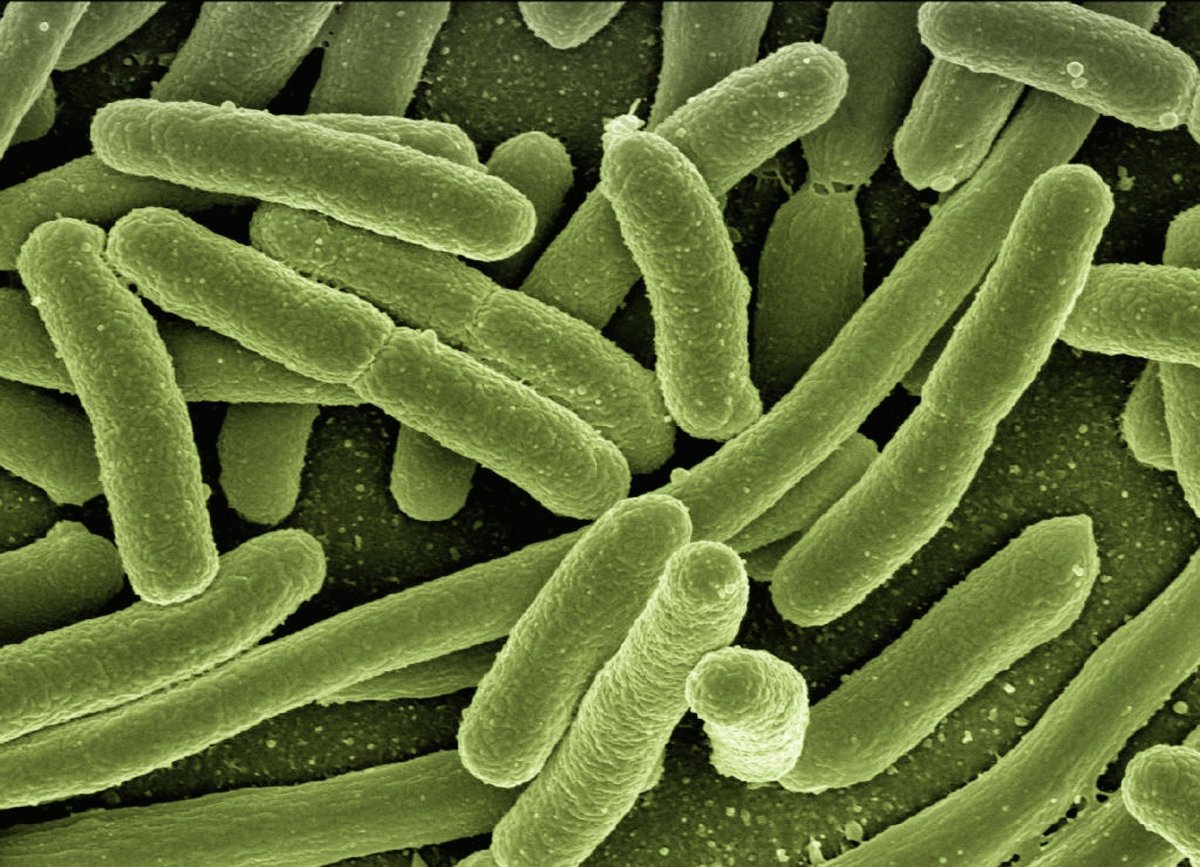
Probiotics and probiotics in dog diet, importance of friendly bacteria for canine health. Does my dog need supplements? How to add probiotics and probiotics to dog diet? Advice from canine nutritionist and dog nutrition coach. Perfect cocker spaniel. Blog about English cocker spaniels, grooming, training, diet, puppy care, behaviour and more

A simple way to keep your dog healthy for longer

Want to keep your dog healthy for longer? Here’s another diet secret that you need to know…

Aging changes many things including the gut – it may become thicker and less able to move and absorb food efficiency. It can also change the levels of good and bad bacteria that help to control inflammation, reduce the risk of many illnesses, support strong immunity and even have effects on behavior (Pilla et al, 2020, Baum, 2007, Masuoka et al, 2017, Mondo et al 2020)

How can you help? Use age-appropriate diets that contain probiotics (good bacteria) and, importantly, PREBIOTICS (they feed the good bacteria)

In the test study dogs fed commercial food with probiotics not only showed improved levels of good bacteria, but also much lower levels of inflammation markers (known as C-reactive protein). The dog from the non-prebiotic group had high levels of C-reactive protein), higher levels on bad bacteria and lower levels of good bacteria.

So besides checking if your dog food is age-appropriate and complete, look for FOS, MOS and probiotics on the product label.

Do not be tempted to DIY with supplements. It is not a good idea to experiment with pre- and probiotics unless you were specifically prescribed them by your vet.

Do include food sources of pre- and probiotics alongside the main diet as treats (10% or less of your dog’s daily intake) – natural yoghurt, kefir, dandelion leaves, apples and oats (my Beyond the doughnut cookbook has some yummy oat-based recipes)


Photo credit: bacteria by Gert Altmann via Pixabay
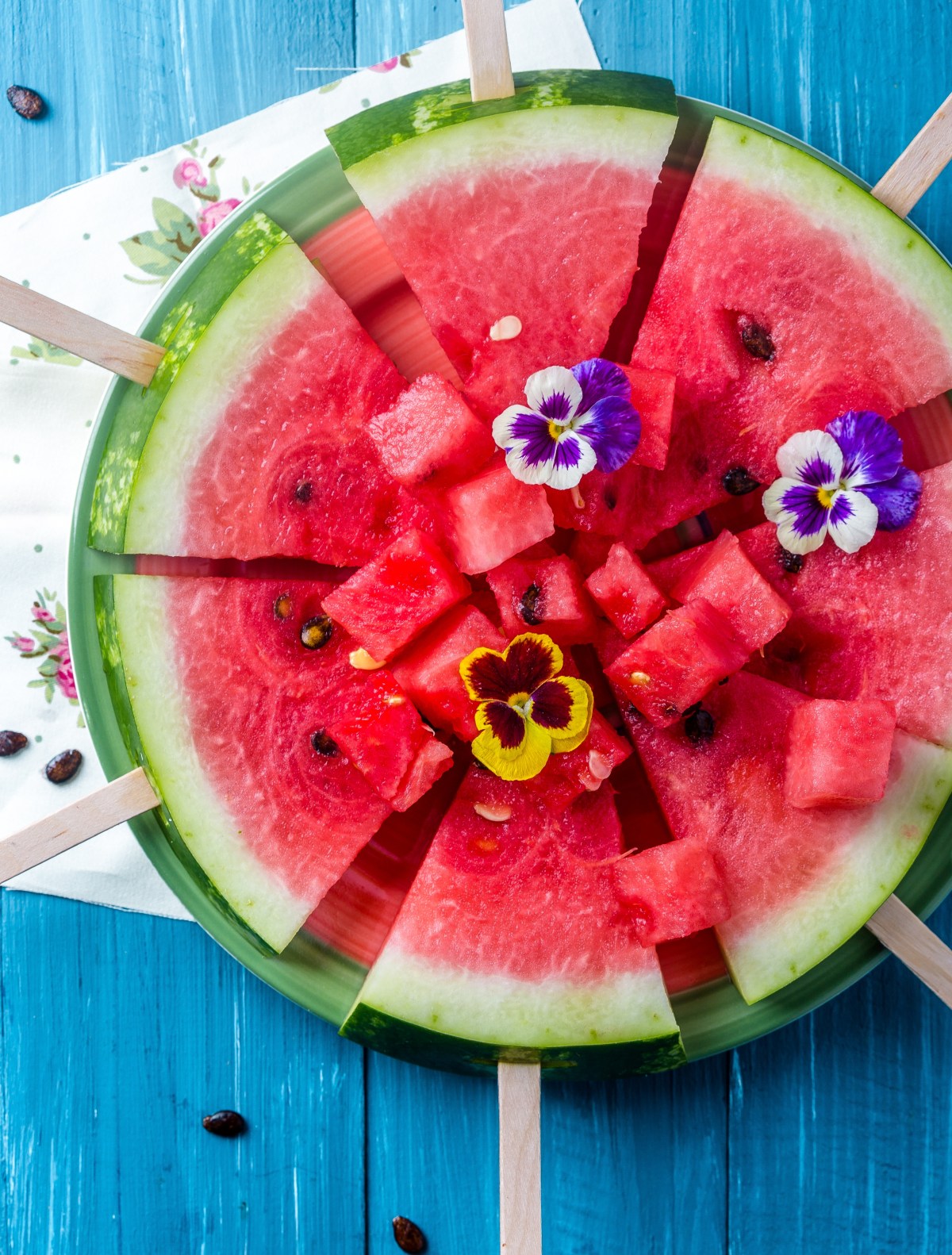
Watermelon for dogs. Can dogs eat watermelon? benefits and precautions when feeding dogs watermelon. Nutrition for dogs. Perfect cocker spaniel blog written by qualified canine nutritionist and pet nutrition coach (C)

Can my dog eat… watermelon?

Let’s talk about the biggest berry in the world. The most beautiful, juicy and highly instagrammable summer delight that is watermelon.

Watermelon is delicious and many pups adore it.

But CAN DOGS EAT WATERMELON?

YES, they can, but there are pros and cons you need to know before feeding the fruit to your spaniel.

Watermelon is 92% water, which makes it hydrating, especially on a hot day.

It is a source of beta-carotene, vitamin C and group B, calcium, magnesium, potassium and iron.

Antioxidants in watermelon may reduce inflammation, the risk of heart disease, age-related macular degeneration and some forms of cancer (according to human and animal studies)

The fruit is a source of amino acid citrulline that may help with reducing blood pressure.

The juice of the wild watermelon showed potential in inhibiting he replication of influenza virus in dogs (Morimoto et al, 2020)

Another study noted that including watermelon in a diet may reduce the risk of diabetes, protect pancreatic cells (Ahn at al, 2011) and reduce and maintain body weight (Wirth et al, 2020, Shaneley et al, 2020)

Dogs who were given watermelon extract as a drink showed reduction in leptin levels (a hormone involved in weight, inflammation control and diseases associated with canine obesity) and inhibited formation of urine crystals (Miyai et al, 2018)

The WORD OF CAUTION…

High water and fibre content of watermelon means that dogs should only be given small quantities of the fruit – or they may end up with diarrhoea. Start with a couple of small bites and gradually increase to a tablespoon / ice-cream scoop of flesh.

Avoid the seeds! They can cause blockages if swallowed, and also contain anti-nutrients called tannins, phytates and oxalates (Addo et al, 2018)

Do not feed the rind (both the white and green parts) because it can lead to vomiting and diarrhoea.

If your dog has any diagnosed conditions and/or on prescription medication or diet, particularly anything related to urinary or cardiovascular system, always check with your vet before including watermelon in your pups diet.

Are dried, raw and dehydrated treats safe and good for my dog / Bully sticks, pizzles, rabbit ears, pigs ears, rawhide treats, liver treats, fish skins for puppies / Nutrition advice for dog owners / How to choose dog treats safely? / Dangers of raw and dehydrated dog chews / Fanconi syndrome in dogs / Perfect cocker spaniel (C) dog blog, cocker spaniel advice, health tips, grooming tips, puppy training, diet, questions / Natalia Ashton

Faconi’s syndrome: the tricky aftermath of dog treats

Have you heard of Fanconi’s syndrome? If you ever thought of feeding your dog any dehydrated treats or chews, you need to keep reading.

Faconi syndrome is a defect that alters the ability of the kidneys to absorb and retain certain nutrients, electrolytes and water. It can be a hereditary disease that would only affect certain breeds such as Basenji.

However, over the past decade (it was first reported in 2007), the acquired form of the syndrome caused serious problems in many dogs, particularly toy, small and medium-sized ones.

The dogs would start urinating more than usual. They’d loose weight, appetite and become lethargic. About 60% had digestive symptoms, 30% showed signs associated with kidney function, and the remaining 10% developed tremors, convulsions and skin irritation. Some dogs were affected much more than others.

Upon examination, all these dogs had one thing in common. All of them regularly ate jerky treats or chews.

At first, the unsafe treats thought to be from China, but later on it was established that the country of manufacturing did not matter, and the reports on acquired Fanconi’s syndrome came from all over the world including the US, Canada, UK, Australia, Germany, Switzerland, Japan and Singapore.

Additionally, the treats were made from various ingredients – not just the chicken as it was originally thought – and included poultry, beef, glycerine and vegetable base (dried sweet potato chews and certain dental chews).

The root case of the illness is yet to be established, so please think of all the uncertainties and potential problems if you choose to give your dog any chew- and jerky-type treats.

The symptoms are not very easy to spot and if a dog develops them and is taken to the vets, the other causes need to be ruled out first, and the Fanconi’s test may take up to 2 weeks. This means that unless the dog is diagnosed fast, he may not always make it or will be left with chronic kidney problems.

Even thought these cases are rare, a few minutes of chewing bliss aren’t worth the risk. So it’s a good idea to consider a safer and healthier options including dog’s main food, fresh chopped carrots, cucumbers or apples, or even making your own treats at home.