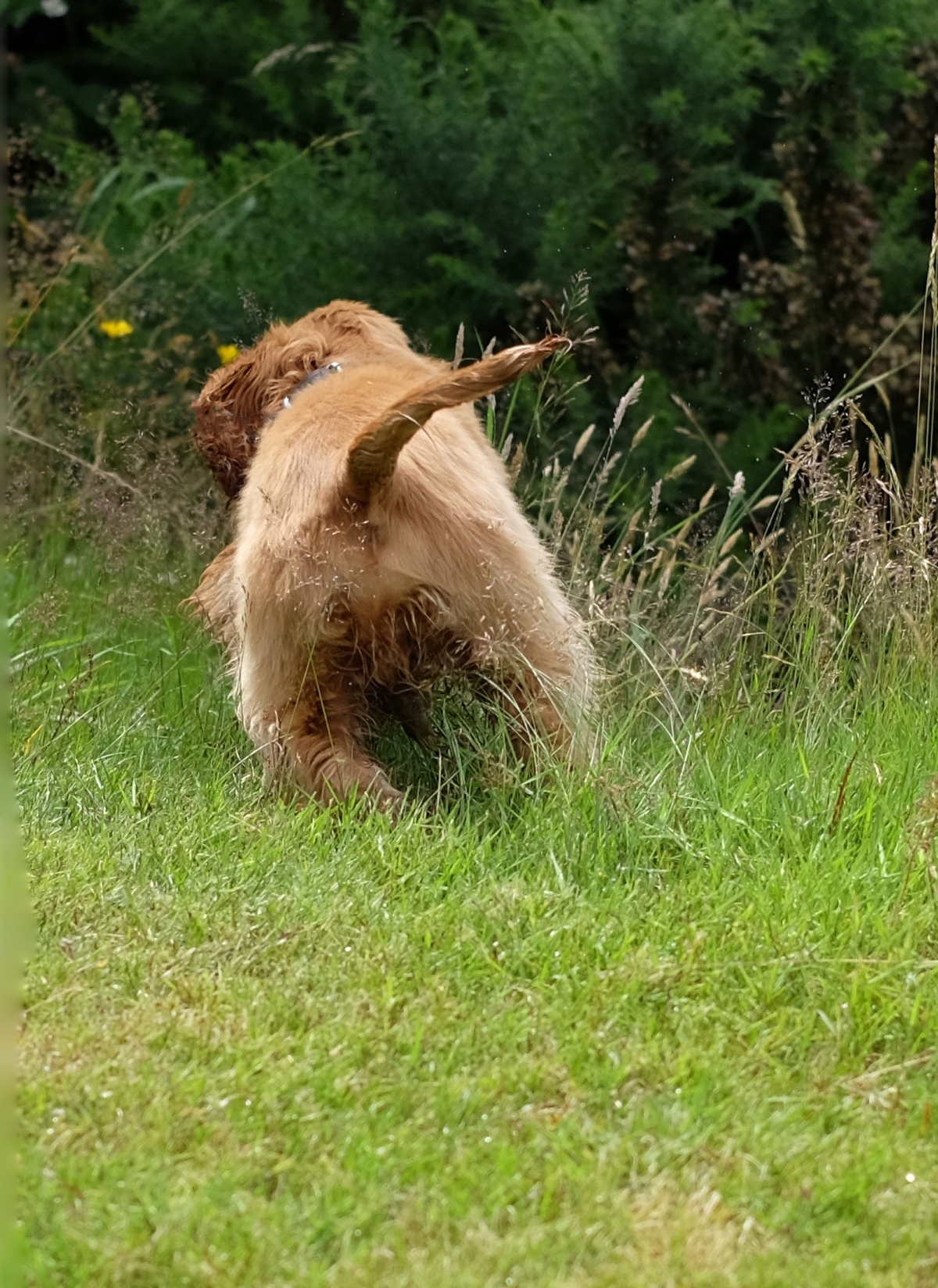
Anal glands health, issues, risks and potential problems in English cocker spaniel and how to prevent them (C) Perfect cocker spaniel, dog blog, canine nutritionist, all about English cocker spaniels, puppy tips, guide, grooming - copyrighted image

Things about anal glands every cocker spaniel parent must know

I think it took me longer to compose a title of this post than to write the actual story. Because no matter how hard I tried, it’s impossible to prettify the subject or make it spam-proof.

But hey, the perks of being a dog mum are always supplemented with conversations about poops and, as you can see, anal glands.

The little glands should be familiar to all cocker spaniel parents because cockers are one of the breeds that may experience problems in the area.

I’ll start with the latest study that looked into the non-cancerous anal sac disorders (ASD) in dogs. According to the results, cocker spaniels were among the affected dogs.

The study considered several parameters including weight and diet, and it seemed that at least some of the dogs needed to either lose weight or change food as a part of their treatment.

Which, to me, means that one of the ways to prevent issues is yet again helping your dog maintain slim physic and feeding him a complete and balanced diet. It can be easily achieved by keeping an eye on your spaniel’s weight, quality of food, portion sizes, amount of treats and activity levels. You know the drill…

Feeding meals that provide correct amount of fibre is one of the simplest ways to maintain healthy anal glands. This is when you should think of commercial complete formulas containing healthy grains instead of choosing grain-free options or experimenting with various types of diets.

You also need to remember to never ever express anal sacs as a part of routine grooming! Nature can do it for you as long as your dog’s diet is balanced.

Unless medically required, squeezing the glands against their will can only lead to injuries, traumas, inflammation and the need to manually express the sacs over and over again. Squeeze them once – and you will have to do it over and over again, first – every few months and then having to pay regular, often monthly, visits to the nurse clinic or a grooming salon.

I often hear dog parents say that they need to express the glands because of the fishy smell. However it is vital to remember that the odour is not always a sign of a physical problem (i.e. impacted glands), but a natural involuntary response to stress or fear. Re-assessing the situation, checking if your dog is happy and content, avoiding stressful events and helping your pooch if he suffers from reactivity or nervousness would eliminate any need to give the glands a squeeze.

And when your spaniel turns nine, you will also need to keep an eye on any odd symptoms that may suddenly appear under the tail and overall because some English cockers carry a specific gene that puts them at risk of anal sac carcinoma. It is important to ask your vet for regular checks and take your cocker to the clinic if he starts to drink or urinate extensively, develops a tiny odd mass or thicker skin under his tail at 4 or 8 o’clock mark, you see blood in stool or bleeding near your dog’s anus, he seems constipated or starts to scoot on his bum. Some dogs may also lose appetite, vomit and become lethargic. The outcomes of the treatment will depend on the stage when the cancer was caught.

So as un-pretty as the subject is, knowing about it can potentially save your dog’s life. Definitely a little lesson worth learning, right?
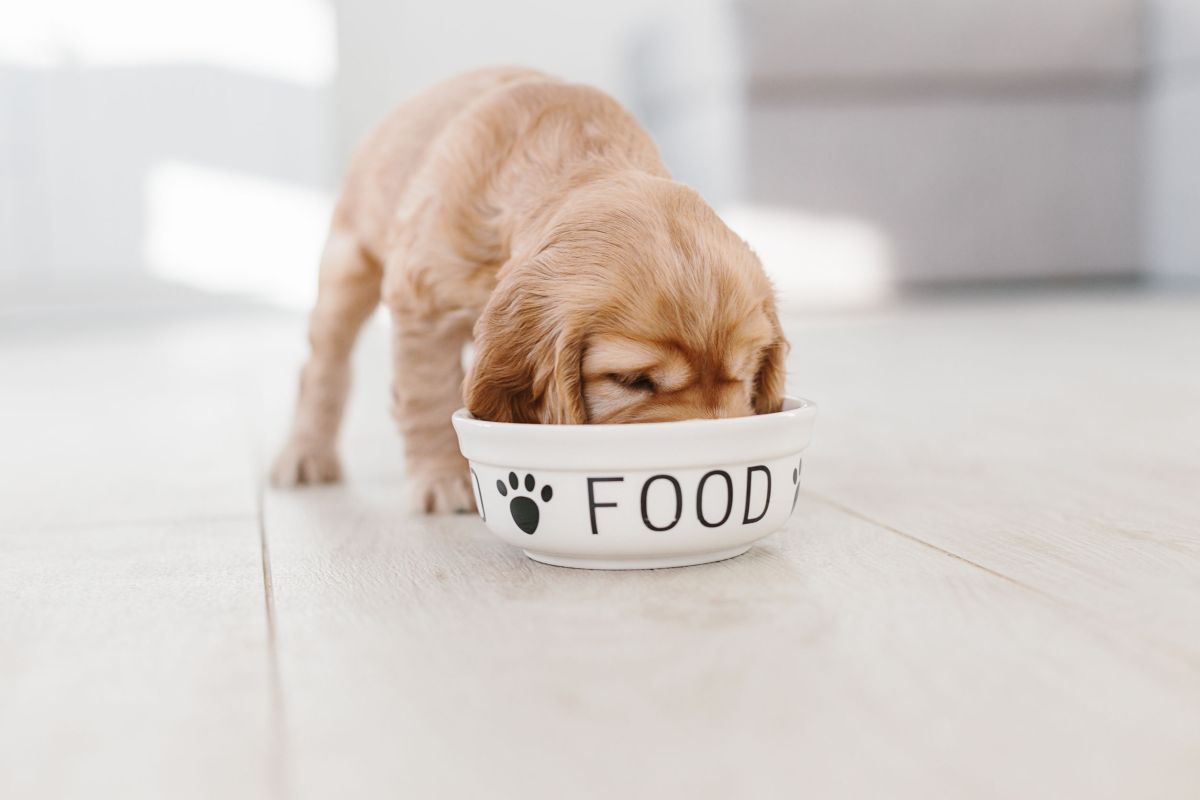
English cocker spaniel puppy eating dog food (C) Perfect cocker spaniel / English cocker spaniel blog, book, puppy tips, advice, grooming tips, nutrition, canine nutritionist / Natalia Ashton

Does less poop really mean better health?

Today I wanted to have a quick chat about a study that recently came out from the university of Illinois because I found it, how should I put it… disappointing? Especially when it was reviewed to reach a wider audience – you and me, in other words.

The study that included beagles fed with fresh food was run by a few people with PhDs, which to any layman would most definitely look like a sure sign of quality and confidence. The beagles got some fresh food made with a few ingredients and naturally produced less poop compared to a group fed kibble.

The scientists then concluded that fresh diet is better for dogs, but did it in a way that could easily mislead any normal non-science’y dog parent and, as a result, potentially put their dog’s health at risk.

Granted, I don’t have a PhD, but I do know nutrition. That is why I need to explain a few study statements and my concerns.

First of all, “producing less excrements” isn’t really a new thing. It’s just another trend that was mimicked on countries like Japan where high urban population and clear lack of space meant that dogs foods had to be adjusted to result in less poops. It had nothing to do with dog’s health, but obvious need for yet another space-saving know-how.

Secondly, the diets included “two fresh diets made using only USDA-certified human-grade ingredients” The ingredients were listed yet it wasn’t clear who created the diet, whether or not it was nutritionally balanced or how it would affect the dog long-term (the feeding regime only took 4 weeks, which isn’t enough to see any abnormalities or deficiencies should they happen, especially in healthy dogs previously fed a balanced complete diet)

The researches tested the dogs before the trial and after the trial and noted that blood test results did not change. Which means that the dogs were good to go on their original food.

The worrying part is that I can easily picture a health-conscious pup parent cooking up a feast using the list of ingredients mentioned in the study review thinking that it’s the best thing for his dog because “a guy with PhD said so”. And if one can’t trust google, one can surely trust a guy with PhD, right?

Also “human grade” fresh food doesn’t actually mean that kibble would not be made with “human grade” ingredients. In fact, there are strict rules to ensure that our dogs don’t end up eating road kill or any animal that died of natural causes or old age. The dogs would eat the same cows and chickens as their human family, but different, less palatable (in human view) parts of them (think hearts and organ meats, not hooves or feathers).

Then the study went into a human diet (really?) to say that people would be more satisfied with fresh food than processed food and as a result, would lose weight and be healthier.

The only problem is that processed human food is not the same as a good quality kibble. Ask any board-certified nutritionist – and they will confirm this. Letting people assume that kibble is nothing more than a dog version of a human junk from a famous food chain is not just wrong, it is harmful.

Now… the trendy microbiota…. because they simply had to mention gut bacteria as some of the levels changed. Not for better, not for worse. They just changed. But the study folks assumed it would be better because their previous studies said so. Which is so not PhD…

But if we do talk about microbiome and good bacteria, we need to jump straight to the beginning of this study and the rice and broccoli vs “horrible” kibble and carbs comparison.

Yes, kibble often results in more poop. But is it really a bad thing? Nope. Not. At. All. A good quality complete and balance kibble will contain good quality carbohydrates and fibre that will add bulk to the faeces. But it is vital to remember that besides the bulk, good carbs and fibre can play an important role in keeping your dogs healthy…

How?

Well, the fibre itself will work like a brush to rid the gut from toxins and bacteria.

The soluble fibre will feed the good bacteria.

The good bacteria will take care of your dog’s digestive health, immunity, vitamin levels, reduce risk of allergies and possibly cancers.

The insoluble fibre will also look after the anal glands.

And carbohydrates and fibre will supply vitamins and minerals that your dog may not always get from other foods.

Plus, good carbs will keep the dog fuller for longer and may help him maintain healthy weight or even loose some.

On the other hand, an unbalanced fresh diet may cause deficiencies and affect digestive health due to lack of fibre. The reduction of carbohydrates and fibre also means that they are either replaced with another form of bulking ingredients that dogs may not always be able to digest so well or without side-effects (think bloating). Alternatively, less fibre and carbohydrates often mean higher fat content, which can increase the risk of weight gain, pancreatitis and any disease caused by excess weight.

And upon checking on some foods used in the study as “better alternatives” I noticed ingredients such as garlic (think, Heinz bodies and risk of fatal haemolytic anaemia), potatoes (nightshades and risk of arthritis, plus potential link to DCM), spinach (think oxalates and risk of kidney stones), and pea fibres (potential bloating and increased risk of DCM) to name a few.

It absolutely pains me to say negative things about a study because I really love science and this is a bit like a car crush…


Image credit: cocker spaniel puppy by Switlana Synonenko via 123rf.com

How to keep dog teeth healthy, how to brush dogs teeth, puppy advice, tips, best products for brushing dogs teeth

Let’s talk about keeping dog teeth healthy

Last night pups went to bed looking disappointed. In fact, they somewhat hesitated before they joined me. Fred went off and sat by the kitchen door staring at it… Coop, who can, at times, be utterly British in showing his emotions, just sighed.

Then, around 11 o’clock, it suddenly hit me. I forgot to brush their teeth! And so off we run to the kitchen to get our tools out and “clean our teethies”

As soon as the process was complete, pups trotted back to the bedroom and fell asleep peacefully.

It makes some people laugh, but the boys love their dental routine and always gather in the kitchen at 9 in the evening waiting for me. If I don’t appear on time, Fred gives me a quick bark as a polite and slightly impatience reminder.

To be honest, I am glad they turned out to be like this. Not only it’s a joy to brush their teeth, but it also makes me happy to see those almost pearly whites, especially Fred’s. Coop’s teeth are alright, but he had to be on certain antibiotics as a young puppy – and some meds do affect the enamel making it dark.

I got into the habit of teeth brushing long time ago. Not that I am very good at following all my routines, but I do loathe the idea of dental cleaning and general anaesthesia. I know it’s safe, but I don’t believe it’s fair on my pups to go under once every couple of years simply because I failed them at daily tooth brushing.

So we brush. Every night. And interestingly, even science is on our side. According to the research and veterinary articles, daily tooth brushing is still the best way to prevent dental problems. It helps to keep the teeth clean, maintains correct levels of good mouth bacteria and controls the bad ones, In addition, healthy teeth also reduce the risk of other illnesses and lip fold dermatitis.

Just in case you are new to this or not sure how and where to start, here are the steps I use and recommend.

Start early, from the first week you get your puppy. He needs to learn that having your finger in his mouth is totally ok. If you fail this step and the pup is much older, with his adult teeth in full glory and need of proper brushing, he may not be so cooperative if you suddenly try to include tooth brushing into his beauty routine. It’s not natural for dogs to have their teeth and mouth touched and the early introduction will make a massive difference.

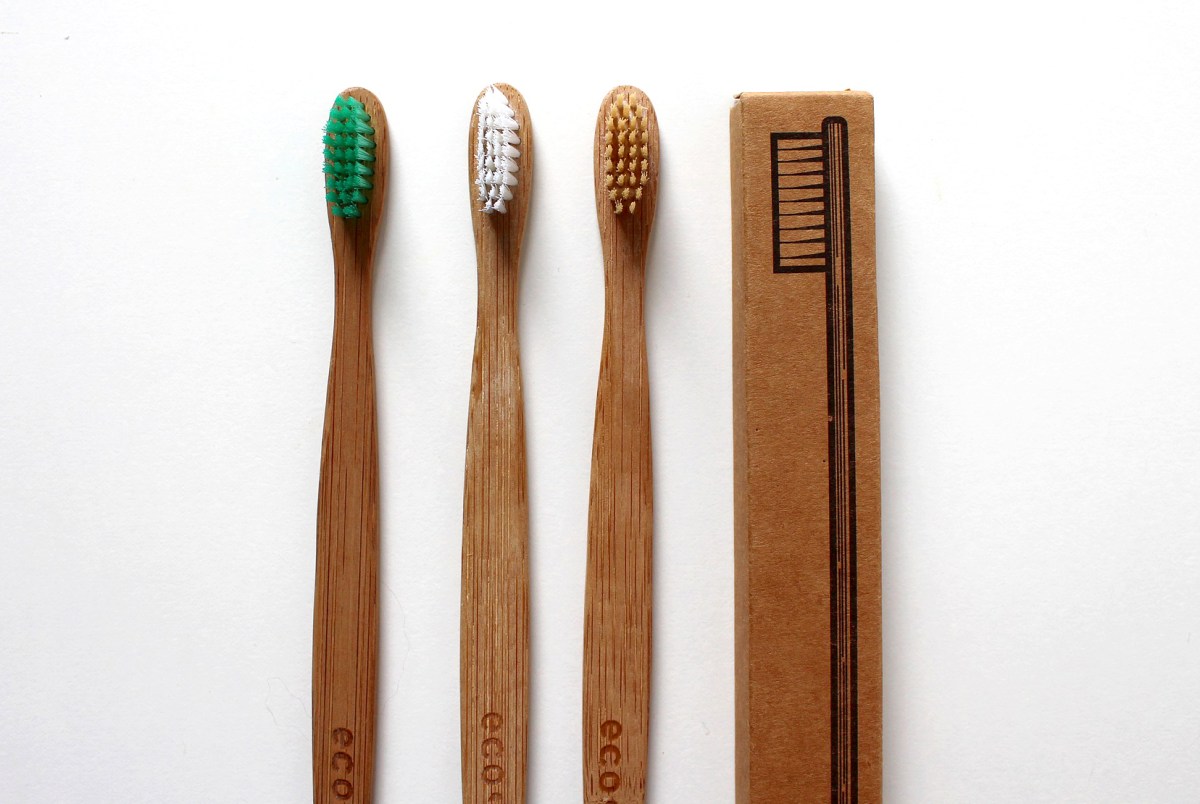
For puppies, aim to get him used to the touches and contact. His teeth don’t really need thorough brushing. Use a microfibre brush first, then move onto a finger brush. At this stage you may not need any tooth paste at all. And if you do decide to use something, always check with your vet to ensure that the product is suitable for puppies.

Adult teeth should be brushed with either the finger brush or dog tooth brush.  Don’t forget the toothpaste, too. I like the enzymatic ones and have been using Logic for many years because all my dogs love the flavour and the enzymes in the paste take care of the teeth upon application, without need for the actual brushing (in case you are tired or the pup isn’t too keen on the brush)

The technique is to start by sliding your finger under the lip without actually opening pup’s mouth. If you do use the paste, let the dog smell and lick it. It may take a few days or weeks. Just be gentle, patience and keep going in tiny steps.

When the dog is happy to cooperate, apply a dot of toothpaste on the brush, lift the lip on one side, and brush moving the brush across the teeth in a circular motion. Keep the brush at a 45° angle. Pay particular attention to the back teeth and canines.

If you are unsure or feel stressed about having your pups teeth brushed, book an appointment with a nurse at your vets. It is usually free and they show you how to do everything correctly.

What about dental aids?

There are plenty of chews and chew toys on the market right now. Personally, I don’t use anything edible. Firstly, because studies didn’t show any special effects of dental chews or diets on dogs dental health when compared to daily brushing.

I am also extremely picky about ingredients that go into those chews and am yet to find the one I’d be comfortable with.

Another thing to bear in mind is that the chews must be age- and size- appropriate. Puppies mustn’t chew anything that you cannot bend. You also need to be careful with heavy chewers because they can chomp off larger pieces of chews turning them into choking hazards.

I also never use dehydrated body parts and raw hides.

My pups like their home-made crunchy biscuits, raw carrots and frozen slices of cucumber among other things.

And the bones?

The subject is controversial and I know that many people swear by raw bones. Some studies do say that the bones may reduce or prevent plaque formation. However, the same studies also say that the bones will not reduce the risk of periodontal disease and are likely to increase the risk of broken teeth, dislocated jaws and, if the dog manages to swallow a piece of bone, digestive blockages or life-threatening perforation.

And dry dog food?

There have been studies done on dogs fed moist, dry or a combination of moist and dry foods. The dogs who had dry food showed lower levels of plaque and deposits and reduced risk of periodontal disease compared to dogs from the other groups. I sense that this will be met with plenty of scepticism but I like to go with the science and I do feed kibble to my boys as a part of their diet.

As you can tell, I am a little bit obsessed with canine dental health… I talk about it, I dedicated a part of Perfect cocker spaniel to discussing ways to maintain pearly whites and I will continue reading every research and study focused on nutrition, products and techniques that would help my boys because I cannot even imagine them having pain or extractions and feeling less of a dog because of it.

Especially considering that it only takes a few minutes a day to prevent so many problems…