Effect of environment and geographical location on dog's reactivity, fearfulness and behaviour / reactivity in english cocker spaniels / Perfect cocker spaniel guide to breed, grooming, puppy tips, health, training and nutrition / dog dietitian / Natalia Ashton, Cooper & Fred by Pinkfeet Photography (C)

Country dogs are happier, study finds

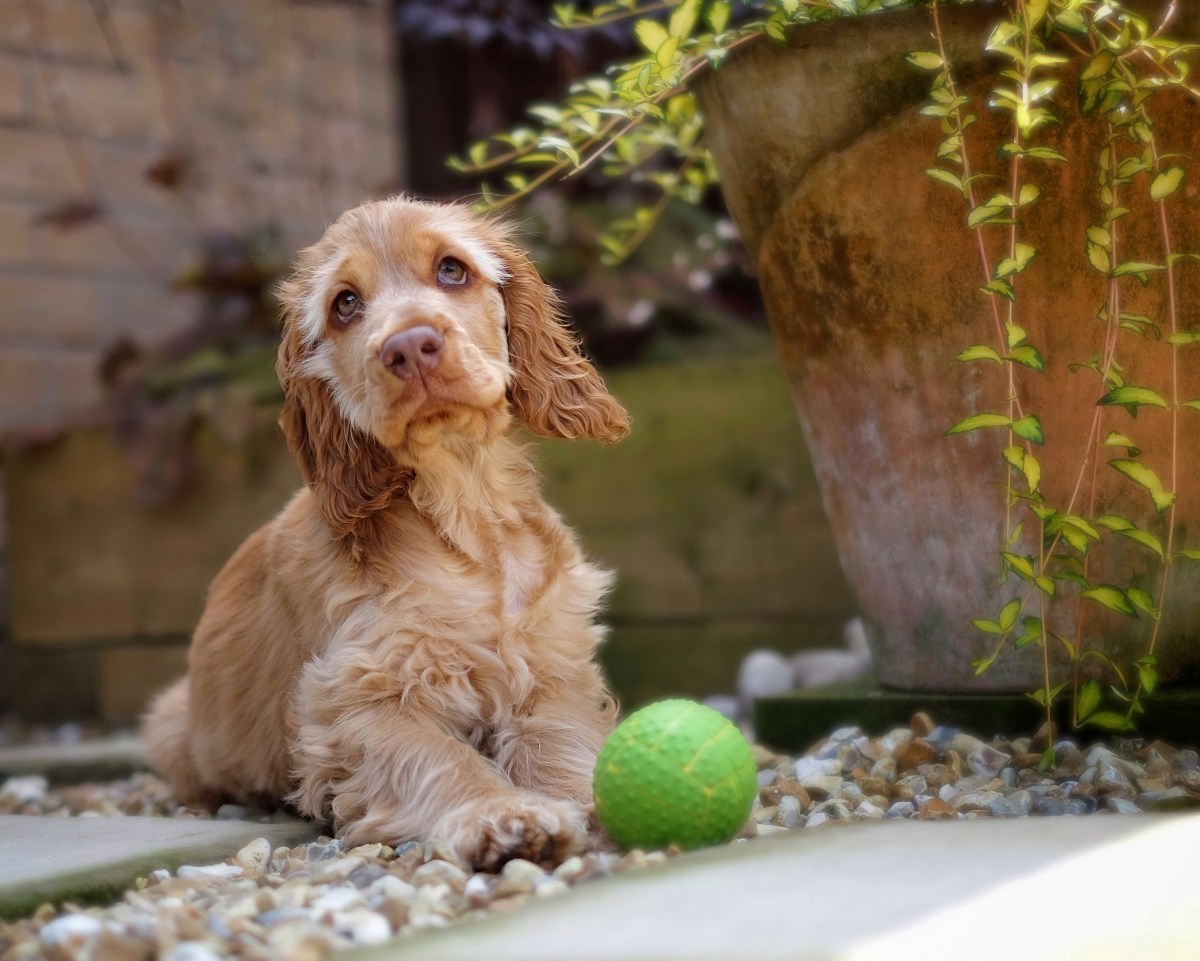
Country dogs are happier than their urban relatives, according to a recent study conducted by the University of Helsinki and published in Scientific Reports. The scientists looked into fearfulness (reactivity to us, the simple folks) and the factors that can have a lasting impact on this trait among dogs.

The study involved 13700 dogs aged between 2 months to 17 years old that exhibited fearfulness caused by a variety of reasons, from breeding, genetics and size to  daily activity levels, demographic and environmental elements.

Whilst many factors have already been noted previously it was the living environment that caught particular attention as yet another cause that may have an impact on reactivity.

Even through more research will be needed, it looks like the country dogs are happier and more content when compared to their city counterparts. The researches believe that this relation is not simply related to the dog’s access to nature, but may also be affected by our own stress levels (which dogs can smell and mirror) as well as density, hectic lifestyle and noises of the urban areas, amount of exercise and interactions between the pooches and their owners, and diet.

So if your spaniel is often on edge, consider taking him to the countryside as often as you can, or better still, make a big move like we did here. Admittedly, we relocated for various reasons, but one of them was definitely to make Cooper live a better and happier life. In our case, it made a big difference. That’s why this study resonated with me so much.

And I am very curious what you think about it, especially if you also escaped to the country for the love of dogs and in search of contentment. Or, perhaps, had to do the opposite and give up on rural pleasures and settle in a city instead.


Photo credit: me and the boys photographed by Pink Feet Photography

Cooper as a pup hiding from heatwave, red sable English cocker spaniel puppy / UK Heatwave in England | How to keep dog cool and safe during hot weather, heatwave, summer | Signs of heatstroke in dogs and overheating | Ways, tips & advice to protect English cocker spaniel from summer heat | Perfect cocker spaniel breed and puppy tips, advice, training, health, grooming & diet | Pet Blog (C) Natalia Ashton

Helping dogs to breeze through heatwave

Writing about heatwave tips on a hot spring morning… “Groundbreaking”, I know. Though I’d rather talk about it than don’t. For the love of dogs.

The early morning walks are back! We are out at 6am balancing on the edge of the heatwave like a bunch of newbie surfers… The bodies are almost there, but the minds are still hollow, unconscious, slowly letting go of the vivid dreams from a night before. It’s not easy but that’s the only way to enjoy the air before it’s sucked into the hot vacuum.

Luckily, Cooper is an early bird and takes great pride of waking me up on time. Coop, like a true aesthete, never misses sunrises unless, of course, he had a late night and requires an extra hour in bed… The boy puts great value into his beauty sleep. Almost as much as he does into his diet, grooming and fun. I think if I followed Cooper’s life rules I’d look like a top model. A short one, mind you, but a proper head-to-toe model.

Alas, here we are… Eyes barely opened, walking through a sleepy village on an autopilot… We get a good hour of joy from this and I feel content knowing that the boys will be set for the day.

Even though my lot don’t seem to be particularly bothered by very hot weather, I still prefer to be sensible to protect them in every way I can.

UK Heatwave in England | How to keep dog cool and safe during hot weather, heatwave, summer | Signs of heatstroke in dogs and overheating | Ways, tips & advice to protect English cocker spaniel from summer heat | Perfect cocker spaniel breed and puppy tips, advice, training, health, grooming & diet | Pet Blog (C) Natalia Ashton

We walk very early in the morning and late at night to avoid the heat and humidity. Midday walks are an absolute no-no because any form of activity can cause heatstroke.

Dogs can easily burn paws on hot pavements, so walking on grass is much safer. You can also do a hand test – place your hand on the pavement with the back of the hand against the surface. Hold for 5 seconds. If you feel the heat or burn, stay home.

We carry water with us at all times. The weather changes to rapidly, it’s easy to be caught off guard in a middle of nowhere with the dogs needing a drink. If necessary, water can also be used to wet their tummies and paws to prevent overheating.

The pups have an easy access to drinking water 24/7. I leave a bowl in every room and also have one for the porch (which I always take indoor in the evening, so the slugs don’t accidentally crawl in)

UK Heatwave in England | How to keep dog cool and safe during hot weather, heatwave, summer | Signs of heatstroke in dogs and overheating | Ways, tips & advice to protect English cocker spaniel from summer heat | Perfect cocker spaniel breed and puppy tips, advice, training, health, grooming & diet | Pet Blog (C) Natalia Ashton

Windows are opened all day to create a flow of air and keep the floors cool. We are lucky to have stone floors that can get borderline cold even on a hot day. If your floor is warm, you can use damp towels, cooling pads or cooling mats to give a dog a spot to chill.

Pups have a shady spot in the garden and plenty of dens indoors to avoid direct sun, but I never rely on them to decide when to get back indoors. Coop, if given a chance, would probably sunbathe for hours, and Fred would stick around because he mimics Cooper in everything.

We are the “stay at home” kind of folks, but if you choose to drive, please remember to have all windows opened, plenty of water for the dog and only go ahead with any journey if your dog is cool and comfortable. It’s also worth checking if the places you are planning to visit are definitely dog-friendly.

how-to-keep-dogs-cocker-spaniel-safe-cool-heatwave-dog-blog-perfect-cocker-spaniel-early-swimming

If you take your dog for a swim, stick with cooler times of the day, watch out for blue green algae in lakes and ponds, don’t let your dog drink salty water if you are at the seaside and rinse his coat and paws thoroughly upon return.

Never ever leave your dog in the car. Please do not rely on air con and windows. It can get extremely hot within minutes regardless of what you do putting your dog at risk of heatstroke.

Remember that heatstroke can happen quickly, so it is important to know the signs including…

… heavy panting & breathing difficulties

… excessive drooling & thick saliva

… bright red tongue & mucus membranes

… drowsiness, and loss of coordination

… vomiting

… bloody diarrhoea

… collapse & coma

The risk of heatstroke is higher for dogs who are overweight, suffer from seizures, heart or lung disease, or have to wear a muzzle.

It is an emergency situation, so you need to contact your vet immediately. At the same time you need to help your dog by moving him to a well-ventilated space, away from sun and heat; spraying him with cool or room temperature (never cold!) water and wetting his paws and growing area and allowing the water to evaporate. If he can drink, give him cool water. Never use cold and ice-cold water or ice!

Once his temperature drops to 39C, dry the dog to prevent further cooling and hypothermia and take him to the vets for further treatment unless the vet already advised you on a course of action.

There are also a few other important things you need to be aware of when the temperatures soar and the sun is out. Some are more obvious than the others, but I’ll give you a full list, just in case.

how-to-keep-dogs-cocker-spaniel-safe-cool-heatwave-dog-blog-perfect-cocker-spaniel-early-morning-walks-heatwave-hot-weather

Dark coloured dogs are likely to get hot quicker.

Dogs do not produce vitamin D when exposed to sunlight. They don’t need to stay outside in the sun for a “top up” – their intake comes from the food bowl.

Dogs with light brown or pink nose can get a sun burn. It’s best to keep these pooches away from the direct sun, and use coconut oil and shea butter nose balms because these oils provide some natural SPF and are completely safe if licked.

Dogs cannot sweat efficiently because paws are the only place they have sweat glands. That is why it takes them longer to cool down.

Grooming is essential and can help to keep your spaniel cool, but remember that properly groomed double coat is much more effective at controlling the natural temperature mechanism than the coat that has been clipped, especially if it’s been clipped on several occasions. When the cocker is hand stripped the natural top coat gives some protection from UV rays, reflects the light off the surface of the body and keeps the skin cool. If the dog is clipped, the top coat and undercoat fluff end up in a mixture of hairs that stops the air reaching the skin, traps the heat and is no longer effective against sun burn.

how-to-keep-dogs-cocker-spaniel-safe-cool-heatwave-dog-blog-perfect-cocker-spaniel-early-morning-walks-ice-cubes

Ice cubes are ok for some dogs, but since they can be a choking hazard and can potentially cause tooth injuries (we are talking about cockers here, these guys can get into all sorts of trouble!), you need to supervise your dog while he is enjoying them.

Ice cubes and ice cold water must never be given to a dog who is suffering from heatstroke. Cold water and ice can cause rapid narrowing of the blood vessels affecting the natural cooling mechanism and trapping the heat inside the body leading to organ failure and coma.

Hose pipe water game may be fun as long as your dog doesn’t swallow too much water. If he does, it can affect electrolyte levels (the balance of sodium and potassium in the body) and cause hyponatremia or water intoxication. The condition can affect several organs and body system and be fatal if left untreated.

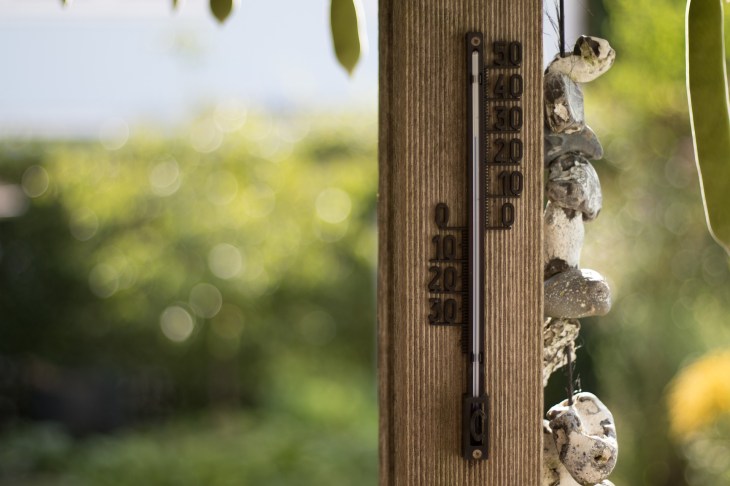
Artificial grass looks very smart, but it can get almost as hot as tarmac. A study conducted in 2007-2008 concluded that some types of synthetic grass can heat up to 75C during heatwave! Bear this in mind if your dog normally like to relax in the garden and keep him away from the synthetic lawn.

how-to-keep-dogs-cocker-spaniel-safe-cool-heatwave-dog-blog-perfect-cocker-spaniel-early-morning-walks-artificial-grass

Now we’ve got everything covered, it’s time to have some fun and make happy memories. Because heatwaves never really last long in England, but memories will be with us forever.


Image credit: Cooper photographed by me as pup hiding in a shade during his very first heatwave, Fabian Steinmetz, kian2018, Goran Horvat, Tobias Heine, DerWeg, Henrikas Mackevicius

Current BVA and RCVS guidelines and rules for veterinary care for dogs vaccinations, emergency treatments, appointments, medication, wormers, anti-flea treatments, how to take the dog to the vets during COVID19 / Perfect cocker spaniel pet blog / (C) Natalia Ashton

The Do’s & Don’t of veterinary care for your dog during COVID19 pandemic. All your questions answered.

On 27 March Niall Connell, president of the Royal College of Veterinary Surgeons (RCVS), the governing body for the veterinary profession in the UK, addresses his colleagues in a video message providing further guidelines for managing their practices and work during coronavirus pandemic and lockdown.

His message was clear. “The public safety must override the animal welfare”, Connell said with a heavy heart. This is the bitter truth of the current situation we are all in. This also means that the wellbeing and safety of our dogs, more than ever, is in our hands and our sole responsibility. Even though the veterinary practices can remain open, they have every right not to see anyone for routine enquiries, treatments or sale of a medication that is not essential for life.

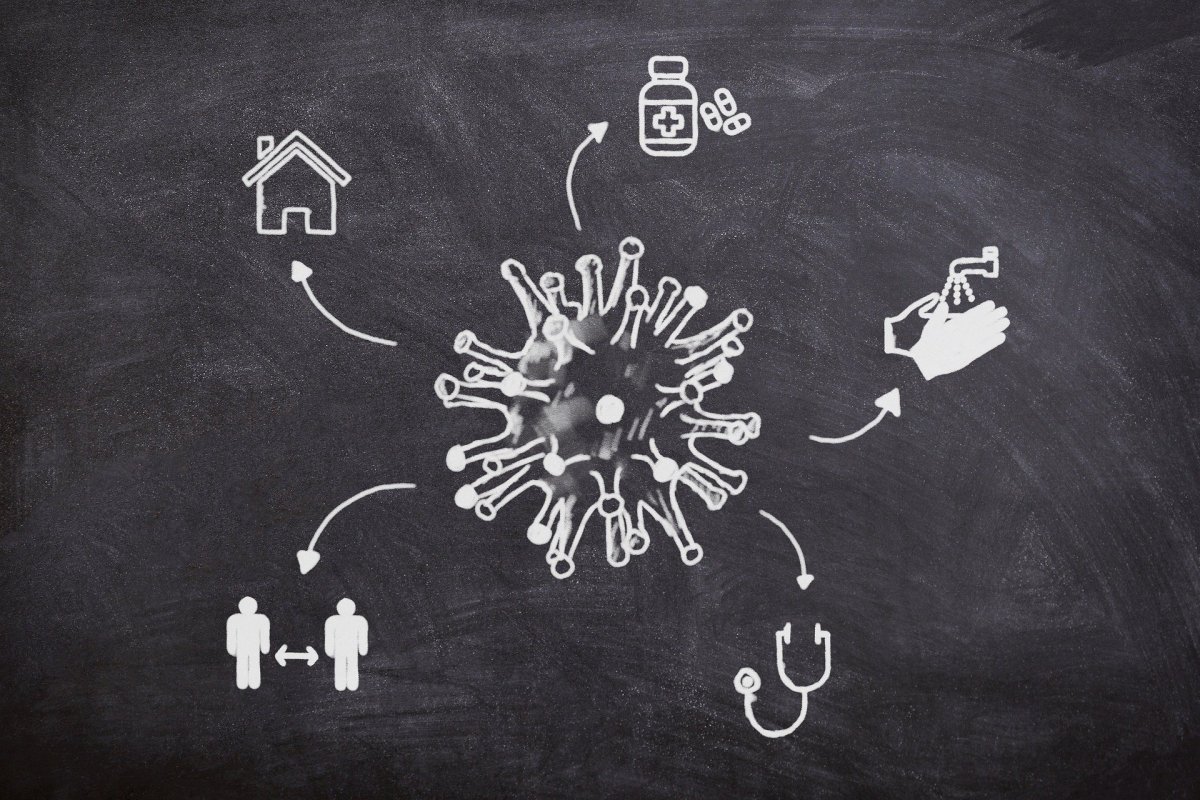
To make it clear and simple to understand (and take the necessary pressure off the vets’ shoulders) I put together a list of questions covering all the Do’s and Don’t’s. It is based on the most recent guidelines and rules issued by the government, RCVS and BVA (British Veterinary Associations).

Will my veterinary practice be open?

The veterinary practices can remain open. This decision can be made by each individual business, so you will need to call and check. Under the government guidelines, the practice may reduce their working hours, limit the staff members available at the time, the number of clients they see and the ways they see them.

Can a vet see my dog?

The vets can see a limited number of patients to prevent the spread of coronavirus and reduce the risk of COVID19 infection among themselves, their families and clients. They may agree to travel to your home, but only if they deem this essential and risk-free. Many vets can see you and your dog via a video call.

You must always phone the practice before travelling to make further arrangements.

Can I get wormers, anti-flea treatments or vaccinations for my dog?

All these fall under “routine treatments” that are not associated with disease or deterioration, and according to the government guidelines “should not be carried out until further notice”.

If your dog has been seen by a vet in the last 6-12 months, has been given all clear, is in good health and has been on these medications without any side-effects, your vet may agree to either post them to you or issue a prescription that you can use to purchase these treatments online. Any online purchases are done at your own risk, so please double-check the name, dose, expiry date before you administer anything.

Can I use an alternative medication or something “natural” whilst I can’t have my usual ones?

No. Going down this route means that you will be playing a Russian roulette by giving your dog something that may cause a reaction or put his life at risk. Many natural treatments also contain ingredients that are toxic to dogs. None of them are tested to be effective. If anything happens to your dog as a result, you may not be able to take him to the vets immediately.

Are there any exceptions for vaccinations and boosters?

At the moment, any annual booster vaccinations are not urgent or essential. However, according to the BVA and RCVA guidelines “there may be scenarios where, in professional judgement, vaccines are being given to reduce a real and imminent risk of disease: this includes in the face of an animal disease outbreak, or in a scenario where a part of a vaccine course has been given and the animal may be exposed to the disease. 

In this case, veterinary judgement is paramount and the risk of leaving an incomplete course must be weighed against the ability to see the animal whilst maximising social distancing.

NB if the Government’s social distancing restrictions last longer than the current review date of 13 April, this guidance may change further.”

This means that your vet may agree to complete a vaccination protocol for your puppy if your puppy has already received the first part of his vaccine, or at high risk of disease due to being unvaccinated. However, do not expect or demand your vet to carry out this procedure as a mandatory treatment.

Bear in mind that if your adult dog has had his regular boosters, he is likely to have enough antibodies to remain safe against the core diseases for at least a few months after his booster is due. The only exception is leptospirosis, so if you live in an area known to be at risk for lepto, keep your dog at home.

Can I still get my repeat prescription for certain drugs?

Some practices will still dispense repeat prescriptions that are essential for the animal’s life. In this case, you will need to contact them in advance to arrange a safe handout or collection.

Although this is not ideal, your veterinary surgeon may agree to issue repeat prescription for any medicine categorised as POM-VPS, NFA-VPS, or AVM-GSL or advise on a suitable alternative. You will need to be registered with the practice, give your full consent, check and administer medication at your own risk, and contact to vet in any emergency situation associated with the treatment. Any vet holds the right to refuse to issue a repeat prescription or provide their client with certain drugs via remote means.

What treatments are classified as essential?

Any treatment that “essential to maintaining the future food supply chain” (which applies to farm animals, not dogs) can be carried out.

For dogs, the veterinary surgeon will only see them “in emergencies or where, in the judgement of the veterinary surgeon, urgent assessment and/or treatment is needed in order to reduce the risk patient deterioration to the point where it may become an emergency in the near future (i.e. within the three-week time frame currently laid out y the government for these measures)”.

What treatments are classified as an emergency?

These include any cases that would normally be seen out of hours or fitted in on the same day regardless of the scheduled appointments (poisoning, allergic reaction, injury, bleeding, loss of coordination, etc). According to BVA, such cases are “immediate threat to life; significant impact on health/welfare and high risk of deterioration of left unmanaged”

Any dog who is in stable condition but can deteriorate due to poor health or trauma, will also be seen.

What if my dog needs to be PTS?

In the current situation, this can be very heartbreaking because you will not be able to accompany your dog to the veterinary practice. Should the vet agree or must carry out euthanasia, he will be the only person who will stay with your dog.

What if my dog becomes unwell while I am self-isolating due to COVID19 infection or because I have symptoms of coronavirus?

Your dog will only be seen if his condition is classified as an emergency. If not, your vet is allowed to postpone the treatment until you either recover or come out of quarantine. The assessment of your dog can be done via video call.

If the dog is in need of an urgent care, the vet can weigh any possibilities of putting his own health, or health of anyone he’s in contact with, at risk before arranging an appointment. Should he decide to go ahead, you will need to find a healthy asymptomatic person to take your dog to the surgery followed by necessary precautions to keep everyone safe.

What steps do I need to follow if I have to take my dog to the veterinary practice?

Not every veterinary practice will provide face-to-face appointments. Most have now issued a letter either via their official website, social media or post to inform their clients. Do your best to find this information before calling.

If you need an appointment or have a question – email for anything that is not urgent or call for any emergencies.

Most vets now ask that the dog is brought to the practice by one person (meaning your other half must stay at home and you need to ensure that your dog travels safely).

Call the practice from the car park upon arrival. Check if they have their own lead and collar, or slip lead. Remove your own lead if they ask you to do so.

Practise social distancing to ensure that you and the member of staff remain two meters apart.

Pay by card, over the phone or via bank transfer. Do not rely on cash or cheques.

Agree on further arrangements of whether you can wait for your dog in the car park or need to return to the practice in a few hours.

When you bring your dog home: wash your hands, wash your dog thoroughly whenever possible, follow with a blow dry, disinfect your car, dog’s collar/lead and bedding.

What else can I do to protect my dog?

To keep everyone’s safe and sane, only take your dog out if it is absolutely essential. Most dogs, including cocker spaniels, can be content at home as long as they have an access to the garden.

If you do need to take your dog out, always wash his paws after each walk, never let him off the lead to avoid any situations when your spaniel can get attacked, run off, injure himself or potentially find and eat something toxic.

Do not take your dog to your relatives as this can increase the risk of viral spread (either via air or surfaces or your dog’s coat) and can make you ill and unable to care for your dog.

Stay at home! Remember that no dog ever died if he hasn’t had walks for a few weeks. Some may get bored, but it’s better to have a bored and healthy pooch than risk his and yours lives.


Image source: athree23 from Pixabay