How to find English cocker spaniel puppy adverts online, buy cocker spaniel puppy online / how to find good cocker spaniel breeder / how to avoid puppy farms / first puppy tips and advice / first published on Perfect cocker spaniel blog (C)

Age-appropriate diet is not just a fancy

Every day, many times a day, I see, help and hear from people who are trying to choose the best and most suitable diet for their cocker spaniel. And I agree, it can be a challenging process, especially when you are just a pup parent, not a qualified canine nutritionist.

There is so much choice and promises out there that a pup parent can end up with a headache, feel confused and then grab the most appealing bag or go down the home-made cooking route.

The problem is that the chosen diet cannot just sound right, it needs to be right for your dog. And this includes his age.

Nowadays you can often come across dog formulas made to suit everyone, from puppies to seniors, little dogs and giant breeds, pregnant dogs and dogs who seem to have all sorts of issues.

That is why you need to remember that first and foremost the food you choose must be age-appropriate.

Puppies have very different needs to grown-ups or their mums. They need more protein, so they can grow nicely and never feed hungry. Yet the protein must be balanced to prevent rapid development and associated problems. They need certain amount of calcium and phosphorus to develop healthy bones. Yet their little bodies cannot regulate how much they’d absorb, so the quantities must be precise and different from the adult ones. The puppy diets are more nutrient-rich compared to the formula fed to adults and seniors because the grown-ups have their own energy requirements. If you feed an adult diet (or the diet that is marked as “maintenance diet”) to a puppy you will be running the risk of nutrient deficiencies and health issues – as a result.

On the other hand, feeding a puppy-appropriate diet to an adult can cause several physiological problems from mild digestive upsets to obesity. More over, feeding an adult dog a diet that contain more than 32% protein has been shown to lead to territorial aggression, anxiety, restlessness, reactivity and sleep disturbances.

The size of your puppy also matters. The small and medium puppies are usually given different amounts of protein and calcium in comparison to large and giant breeds because big pups need to develop at a different rate to avoid problems in the future. Even the kibble size can differ depending on the breed.

Help your cocker spaniel puppy grow healthy and joyful by feeding him a commercial complete balance diet formulated for puppies or the “growth stage”. You can continue feeding him the same diet as his breeder did as long as the diet is safe, complete and balanced, and made by a reputable manufacturer who put it through control feeding trials and had it FEDIAF (AAFCO) approved. Or you can gradually switch to the diet of your choice 2-3 weeks after you brought your puppy home, as long as the puppy is doing well physically and emotionally. Then you can continue using the food for the first 12 months. After your puppy’s first birthday gradually move him onto an adult formula.

If you ever have doubts or questions, always consult your vet, nutritionist, and a food company’s customer care for advice. You can also learn about cocker spaniel diet from my book, which has a chapter dedicated to breed-specific nutrition (and is more like a short nutrtion course rather than a generic read, but it does put you in control over the situation)


How much training is too much for your dog? How often and how long should you train your cocker spaniel for? Puppy training tips? Training mistakes and how to make training sessions most effective / Perfect cocker spaniel (C) dog blog / English cocker spaniel guide to the breed, grooming, diet, nutrition, puppy tips / Natalia Ashton, canine dog nutritionist & pet nutrition coach

How often should you train your dog?

A couple of weeks ago I talked about a few points of training a cocker spaniel and was absolutely thrilled when so many of you replied, shared your thoughts and asked questions.

One of the most popular requests was about the frequency and length of training, so I thought I’d talk about it today. As I’ve always trained my dogs myself I got to experience quite a few views about the process.

Years ago, when I first got into dog life, the training practices were very different compared to today’s ones. The former were almost military-like, very strict, very precise, more focused on the results and the owner. The dog was there to achieve and perform no matter what and the ones who didn’t were regarded as useless. I never really got too much into that and trained my first boy to suit our life and have fun more than anything else. To be fair, he was a poodle, one of the most intelligent breeds. He never needed much work as everything was learnt and remembered based on a few little lessons (and his own canine experiences).

These days it’s all about positive training. A wonderful way to ensure that the dog does not only learn something, but feels like a happy confident genius and builds a strong lasting bond with his parent/trainer.

But what about the duration of the training? When is the best time to start? Where is the perfect place to do it? When is the ideal point to stop? It can be confusing.

To get your brain buzzing I’ll start with a wonderful and very straight-to-the-point quote by Heini Hediger, a Swiss biologist and the “father of zoo biology”…

“Good training is a disciplined play”

In other words and in my opinion, a training is only successful if it is fun and leaves you and your dog feeling liberated, joyful and content about achievements, however little they may be.

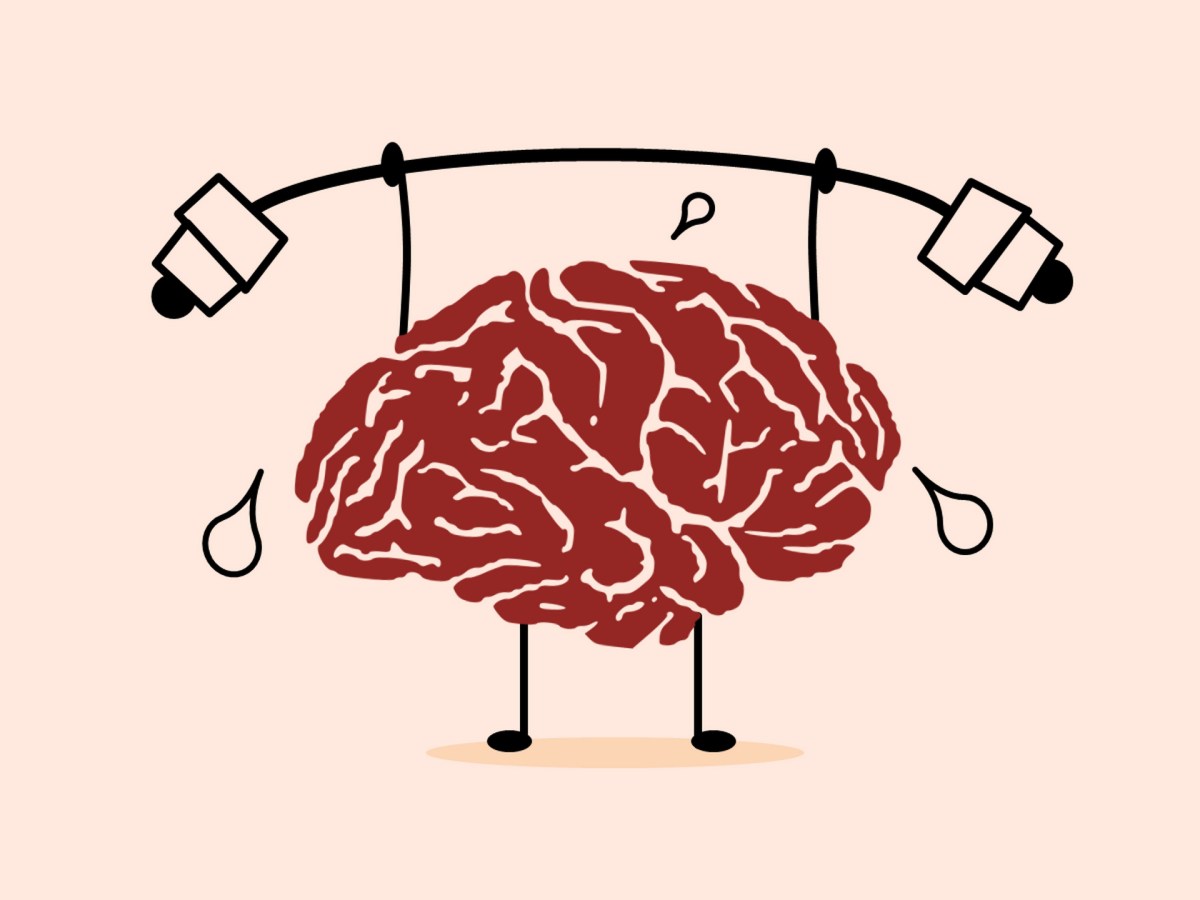
I think that training a dog should also be perceived as a work out (for the brain, in our case, but still… the mighty grey and white lamp of fat has feelings, too). Imagine, you decide to strength train. You have two options – do a series of exercises based on your personal goals, every day, for a short period of time, consistently. Or you go to the gym once or twice a week and absolutely kill yourself there for hours, performing every workout routine known to man, to “compensate” for all the days in between.

If you choose the first option, you are likely to achieve fantastic results because you will pay attention to every muscle group in your body, you will not overwhelm your immune system (every physical activity depletes the body from essential nutrients that must be replaced for proper recovery and rejuvenation) and you will not experience the aches and tiredness that make you collapse.

On the other hand, spending a few hours at a time will most definitely leave you exhausted for days, give you a stinking cold (because that’s how your immune system is likely to respond to your efforts) and probably put you off working out in a week or two.

Same with dog training. Do it in short regular bubbles – and it will be a fun way to keep moving forward. Keep it to one or two long sessions a week – and see your dog feeling tired, frustrated and possibly reactive as a result.

So my ideal training is a consistent daily routine made up of a few quick sessions based on individual dogs and their personal abilities and needs.

We have a bunch of tricks and cues to practice or learn, but never really schedule or time our exact lessons. Each little “burst” takes about 5-15 minutes depending on our location and time of the day. We train in whilst boiling a kettle or during advert breaks on TV to practice “sit”, “down”, “stay”, “fetch”, “paw” etc… Or learning to “wait” for the food or food toys to be prepared and served. We train during our walks to perfect “heel”, recall, “stop”, “stay”, “paw”, standing on objects, “look”, listen”, “let’s go”… the list goes on…

At home we learn new tricks in the afternoon or play “find food”, “leave”, obstacles, brain games, not barking (work in progress, but we are slowly getting there) in the garden or house. Whenever the boys run to me from the garden I use a recall cue and treats. Currently, I am also teaching boys to take turns while we train, so ensure that one is happy to calmly wait on a sofa or “mat” while I am busy with the other one. I don’t like separating them during training times, let alone keep one crated, so this is our way to be together always.

It is also very important to always keep an eye on the dogs’ body language and facial expressions to make sure that they are enjoying the process. Stress isn’t a great helper when you train because it literally blocks the brain from getting the messages or remembering anything. That is why any sign of over-excitement (which can happen in 5 minutes or 20 minutes, depending on the type of exercise, timing and location), annoyance, boredom or tiredness is a signal to stop, ask for a much-loved and well-known cue and conclude the session with a treat and a calm cuddle.

One more point to bear in mind is to never train when you are not feeling your best. You may try to fool yourself, but the dogs will always pick on your emotions and physical state and react to it.

And what if you are trying to train a puppy? I’ve got it covered in my Perfect cocker spaniel book. Each chapter in the Practice sessions comes with puppy training tips based on his age and needs. I just thought I’d mention it in case you’re new here.


Photo credit: image by Tumisu from Pixabay

Why my dog eats poop? Medical, behavioural, nutritional, diet, health reasons for coprophagia in dogs / Is it normal for dogs to eat own poop? / How to stop puppy to eat own poop? / Training, health and diet tips to stop dog eating poop / Perfect cocker spaniel pet blog and guide to English cocker spaniels, cocker spaniel grooming, health, diet, nutrition, training & puppy tips / (C) Natalia Ashton

Help! My dog eats poop! | Reasons for canine coprophagia & how to deal with it

The pup goes to the garden… He does his business nicely… You feel so proud of having such a brilliant clever dog. You victoriously pull out a poop bag like a flag celebrating your success in house training…  Then, to your shock and horror, the pup grabs his own poop and swallows it, often with a grin on his little face. And you feel like dying inside…

Sounds familiar? Too embarrassing to admit?

The thing you need to know about canine coprophagy, the proper scientific term that describes the act of dogs eating their own faeces, is that it is a lot more common than you think. If we talk numbers, between 16 to 49% (according to 2008 & 2018 studies) of dogs would eat their own poop. Quite a big number, isn’t it?

But do the numbers make it feel better, normal or acceptable? Or be a sign of concern and call for action?

After talking to many pup parents all over the world, I felt that we really need to address this subject here for both your sanity and the health of the dogs. Especially because the information available to us from both the internet and literature can not only be confusing, but often conflicting.

Let’s discuss…

Is coprophagia a normal behaviour?

No, it’s not. With an exception for bitches who care for their new born pups, dogs are not meant to eat their own excrements. The mum does it because the dogs are very clean animals and would not mess inside their nest. The puppies are not able to do much about it during their first month of life, so their mum comes to the rescue. However, as studies show, come day 32 and the puppies will try to get away from their immediate sleeping den to avoid soiling it.

Whenever you hear people (even some experts!) say that it is absolutely normal for dogs of all ages to eat their own faeces, they often base their statement on wolves behaviour, which is very different from the canine. The normal behaviour for dogs is to be interested in faeces of other species both for eating purposes or rolling in them…

What factors can lead to the development of this habit?

Behavioural environment: the dogs that share their home with other dogs seem to show the tendency of poop eating more often than the single-household pooches. The younger dogs (not necessarily puppies!) can learn this habit by watching older dogs in the same household (note that puppies do not learn poop eating from their mum simply because she looked after them as newborns). Kennelled dogs who may be anxious and dogs that were either born or spent their lives in puppy farms can also develop this habit.

Eating habits: greedy eaters (including the ones who beg for table scraps and tend to steal food off the table) are more likely to have tendency for coprophagy.

Gender: female dogs seem to be more into this habit than males. Additionally, all neutered dogs (both males and females) were more likely to be attracted to their own poop than intact dogs (42% of neutered males vs 6% of intact males and 41% of neutered females vs 7% of intact females)

Medical reasons: even though this does not get mentioned a lot, as a nutritionist I strongly suggest a thorough vet check for all dogs who develop a taste for their own faeces. First of all, the most obvious reasons would be the gut issues including bacterial imbalance, enzyme deficiencies, parasites and digestive problems. Dogs that have been on prescribed medication, antibiotics, suffer from pancreatitis, thyroid problems and diabetes, can  turn to poop eating to either replenish gut bacteria or rebalance enzyme levels, address nutritional imbalances caused by medication or illness, or in response to appetite changes.

Nutrition: poor quality diet can be one of the biggest reasons because the dog will simply seek ways to get the missing nutrients elsewhere. It does not necessarily mean that all dogs fed kibble will be malnourished and dogs fed home-made diet will get everything they need. This is all about complete and balanced recipe. From a nutritionist’s point of view I can assure you that a complete commercial dog diet is much more reliable than anything you’d make yourself.

What you can do…

Ask your vet for a thorough examination and, if possible, tests.

Be very particular about worming schedule and medicine for your dog to prevent any issues and even spread of some bacteria and parasites from the dog to the family. Stool test every 6 months would be an advantage.

Look into your dogs diet including main diet, all treats, table scraps, anything he tends to scavenge on walks, as well as his feeding schedule. Many scavengers would benefit from having 2-3 meals per day, not one.

Clean after the dog as soon as he is done. If you are worried that he may reach down for the fresh poop straight away, toss a treat in an opposite direction to encourage him to run away, giving you a chance to scoop everything up.

Teach a reliable “Leave It”.

Walk your dog on a lead for a few weeks to put you in control over the situation until you get to the bottom of it.

Ensure that your dog get enough mental stimulation and exercise through walks, puzzle games and training, and is given an opportunity to relax and rest.

What you should not do…

Experiment with various diet supplements design to put your dog off eating his poop. I am not a fan of using unproven methods that end up in dog’s body and may cause a variety of issues.

Use digestive enzymes without prior vet check and consulting your veterinarian about the choice. Digestive supplements are often recommended by holistic practitioners, however, so far the studies have shown no positive effects of such supplements on dog’s ability to digest nutritients.

Use pineapple remedy. If you choose to try it, be cautious. Adding fresh pineapple to dog’s diet is a trick many dog owners rely on. However, it has not been scientifically proven, and it can affect your dog’s digestive system due to high levels of enzyme called bromelain. On the other hand, pineapple does contain vitamins and minerals that the dog may be seeking when eating poop, so the best way is to a) have a vet check and b) try feeding your dog a very small, about a cube, amount of fresh pineapple flesh to begin with and see if it makes any difference.

Add chilli pepper to your dog’s diet, inject chilli extra into dog poop, or use any diet solutions with added capsaicin extract, an active substance found in chilli peppers.

Use physical punishment, yelling, electric collars, jars with stones, or training disks if you catch your dog in the act. Negative punishment never works! It may stop your dog from eating the poop out of fear – but it can also encourage him to seek every opportunity to indulge in this habit when and if you are not there to punish him. If a dog suffers from coprophagia due to anxiety issues, any form of negative punishment will add to this anxiety until the dog can’t take it anymore – and find some way to express it.


Photo credit: Gerd Altmann from Pixabay