How to protect and puppy proof christmas tree from dog / Perfect cocker spaniel pet blog / English cocker spaniel book, puppy advice, tips, cocker grooming, hand strip, diet, training tips, cocker spaniel puppies / (C) Natalia Ashton

Q & A | How to protect the Christmas tree from my cocker spaniel puppy?

This was one of the most popular questions I had to answer since the beginning of December, so I thought we need to have a proper conversation about puppy-proofing the Christmas tree.

Christmas trees and cocker spaniels can live in utter harmony most of the time. Admittedly, we never had to worry even though my boys have always been inquisitive about things. Thankfully, Christmas trees were never on their list of objects to explore. I guess they thought that it was just another piece of furniture that we chose to add to the house decor.

On the other hand, and after I was asked the question, there were things that I’ve always done on subconscious level or perhaps because I tried to perceive the tree from the dog’s point of view – and it helped me to avoid any disasters.

And this is why I made the list to document my actions in one place…

Put the tree in a room that your dog won’t be able to access if you have to leave him on his own. Putting a puppy playpen around the tree may stop some cockers, but many dogs will just force their way through any barriers because the prize is way too good to ignore!

Fake it! Choose an artificial tree over the real thing. Just think how tempting a fir tree would be for your pup who lives to sniff and chew! Boys may even mark it… because it’s exactly the same as the  “message boards” they use outside!

Additionally, fir needles contain oils that can irritate the mouth and digestive tract and cause drooling, vomiting and upset stomach. Your cocker cannot digest any needles he swallows, which can lead to additional digestive issues and even stomach punctures. If your dog walks over them, the needles (especially old and dry ones) can cause anything from a mild irritation from the prick to an injury.

Another thing to bear in mind when it comes to the real trees is the water – it can become stale, contain chemicals and oils from the tree and “special solutions” such as pesticides, preservatives and aspirin, which are toxic to dogs.

On the other hand, an artificial tree is not that fragrant even from the canine prespective and is relatively safe unless your pooch chooses to pull the entire arrangement down for the fun of it.

Talking of the latter… Give your dog some time to get used to the tree. Put it up, make sure it’s sturdy and then leave the tree without any decorations for a couple of days. Do not attract your dog’s attention to the tree when installing it. Do not ask him to come and look at branches or sniff it. As soon as you begin to fuss over “the new thing”, it will become something enchanting for your cocker.

Inspect your artificial tree for loose needles and brittle brunches. Some materials can become fragile with age and if they fall off and get swallowed by your dog, the pieces of plastic or metal can be harmful.

Decorations need to be chosen wisely, especially if your cocker is still young. When my boys were puppies I made sure to avoid putting any bubbles onto the bottom brunches and always picked plastic, metal, paper, fabric and unbreakable “glass” decorations if they were within my boys’ reach. They never tried to steal them – it’s was my cautious paranoia that made me do it.

Some dogs do find baubles interesting: the toys move at the slightest draft, they are reflective and sparkling, the pup can often pick the changes in light when staring at them, and they look like his favourite balls… begging to be stolen and thrown around!

The only way you can decide how to avoid any potential disasters is to put a few baubles on the tree and observe your cocker carefully from nearby. If he shows too much attention, reconsider the decor. If his curiosity is mainly to do with the novelty of the object, use the “leave” word and make him forget about the tree decor completely by playing together or doing some training in the “tree vicinity”.

Also most definitely avoid tinsels unless your spaniel is completely oblivious and indifferent to the festivities. Tinsel can cause digestive blockages and injuries when swallowed, so it’s best not to use it.

Make sure that the tree lights are off if you cannot supervise your dog and the tree and there’s a slight chance that he may bite into the cable.

Last but not least are the edible decorations. Chocolate “baubles” and “stars” are toxic to dogs. Spicy cookies can cause diarrhoea and vomiting, and some may contain toxic raisins. Dried fruits may also upset digestion. And just imagine what any normal dog would do if you embellished the tree with any dog biscuits and treats… He is not going to just camp under the branches, that’s for sure.


For more useful tips on having the most wonderful peaceful Christmas with your cocker spaniel read my Dog friendly Christmas check list post.


Photo credit: image by Gerd Altmann from Pixabay
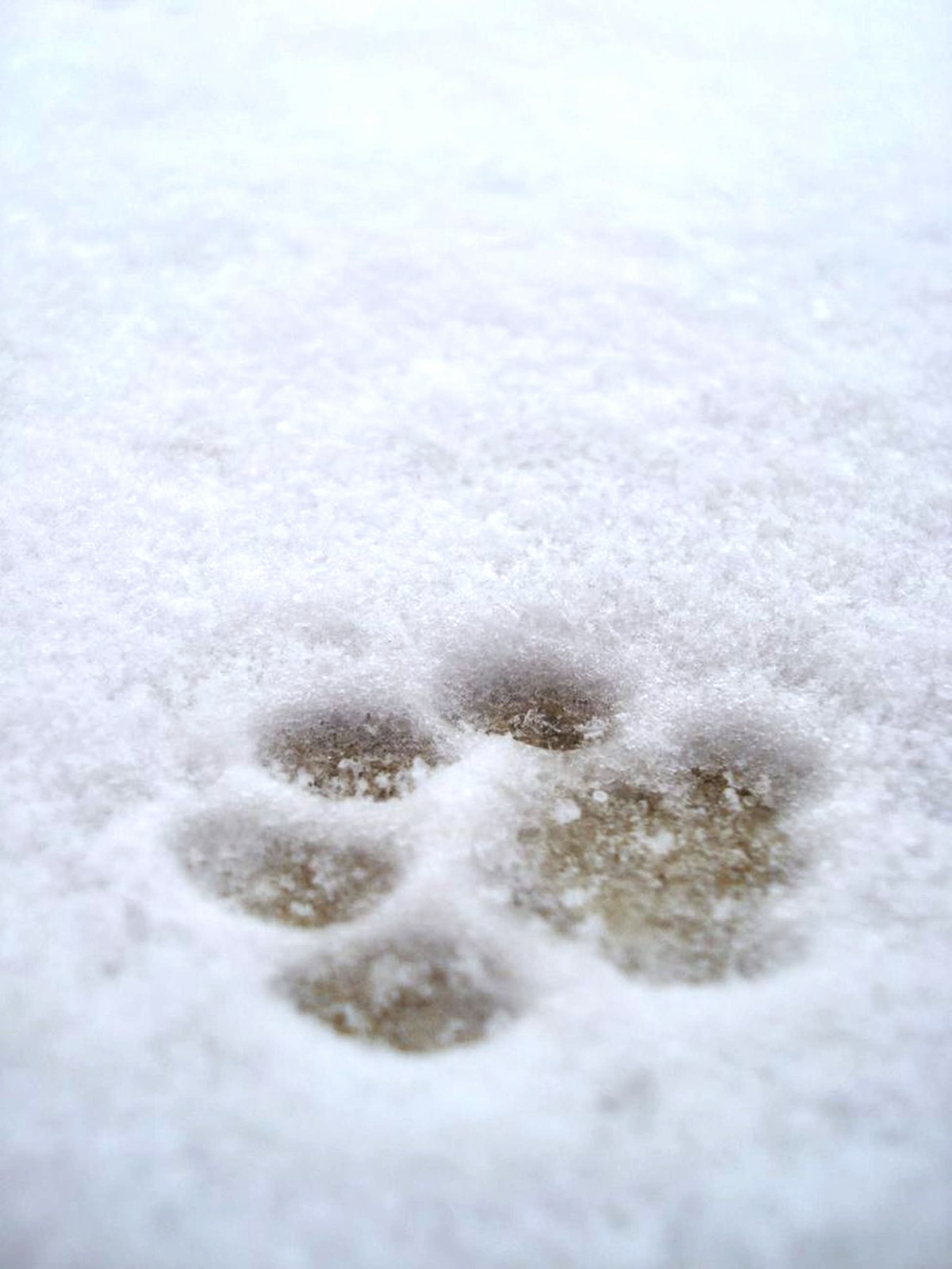
Dog paws in snow photo / Salt, grit, antifreeze poisoning and dangers in dogs in winter / signs of poisoning in dogs / Perfect cocker spaniel book and blog / cocker spaniel tips, advice, grooming, diet (C)

Two winter dangers that can be fatal for your dog

“The frost and sunlight! The winter day’s delightl!” Pushing once wrote (and I briefly translated, so no judgment for my rhyming skills, please!) in his “Eugene Onegin” poetry novel.

He was spot on. Winter is a beautiful season to embrace and enjoy. The dogs adore it, too. Mine cannot wait to get outside and do their version of snow angels, which basically involves rubbing their silly happy faces against the frosty grass – bottoms up, wiggling and wagging.

They think everything about winter is fun. But unfortunately there are two serious dangers neither pups nor many pup parents are aware of, so we need to talk about those today.

SALT & GRIT (also called de-icers) appear on our roads and paths at the first hint of arctic breeze. They can be easily spotted as most have a pink or terracotta-like tint. Both can be extremely dangerous for dogs and even cause a fatal outcome. Even though salt seems pretty harmless (we do eat it, don’t we?!) the combination of sodium, chloride and ferrocyanide can cause severe irritation, burning and cracked paws if the dog walks through the grit.

Licking the paws or de-iced surfaces can be life-threatening because the excess of sodium chloride is toxic to dogs leading to a condition called hypernatremia.

The symptoms of poisoning include vomiting, diarrhoea, lethargy, lack of coordination, excessive thirst, frequent urination, tremors, seizures and coma. The paws can look red, swollen, irritated, cracked and excessively dry.

Protect your spaniel by diligently washing and drying his paws after every walk (even if the path and roads you walk on seems grit-free); applying protective paw wax before each walk and, if the gritting is excessive in your area – considering dog booties; stopping your dog from licking his paws and any surfaces that may contain traces of grit.

But what if the path is still slippery? There are a few ways to stay safe:

… invest into non-slip boots;

… use a shovel to clear the path from the snow and thick ice;

… splash the path you use most frequently with a bucket or two of hot water – it’s enough to melt the ice and frost;

… use plain rough sand instead of grit and salts – it will give you the needed grip yet will be absolutely safe for your dog.

ANTIFREEZE is the other danger of winter. The solution contains ethylene glycol that tastes sweet to dogs and a small dose can lead to kidney failure and death. Even if you are incredibly careful when using it for your own car, the antifreeze residue can be often found on roads, parking spaces and snow and get onto your dog’s paws.

Dogs are one of the most susceptible species.

The symptoms of poisoning can appear within 30 minutes following ingestion and include nausea, vomiting, drunken behaviour, lack of coordination and knuckling, excessive thirst and urination, loss of consciousness, coma and death.

Protect your dog by storing antifreeze away from your pooch’s access; using it correctly and cleaning any residue on your car, hands and surfaces; washing your dog’s paws after each walk and, should you suspect anything odd, taking your spaniel to the vets immediately.

Have a safe and enjoyable winter! 

Photo credit: image by petronela from Pixabay

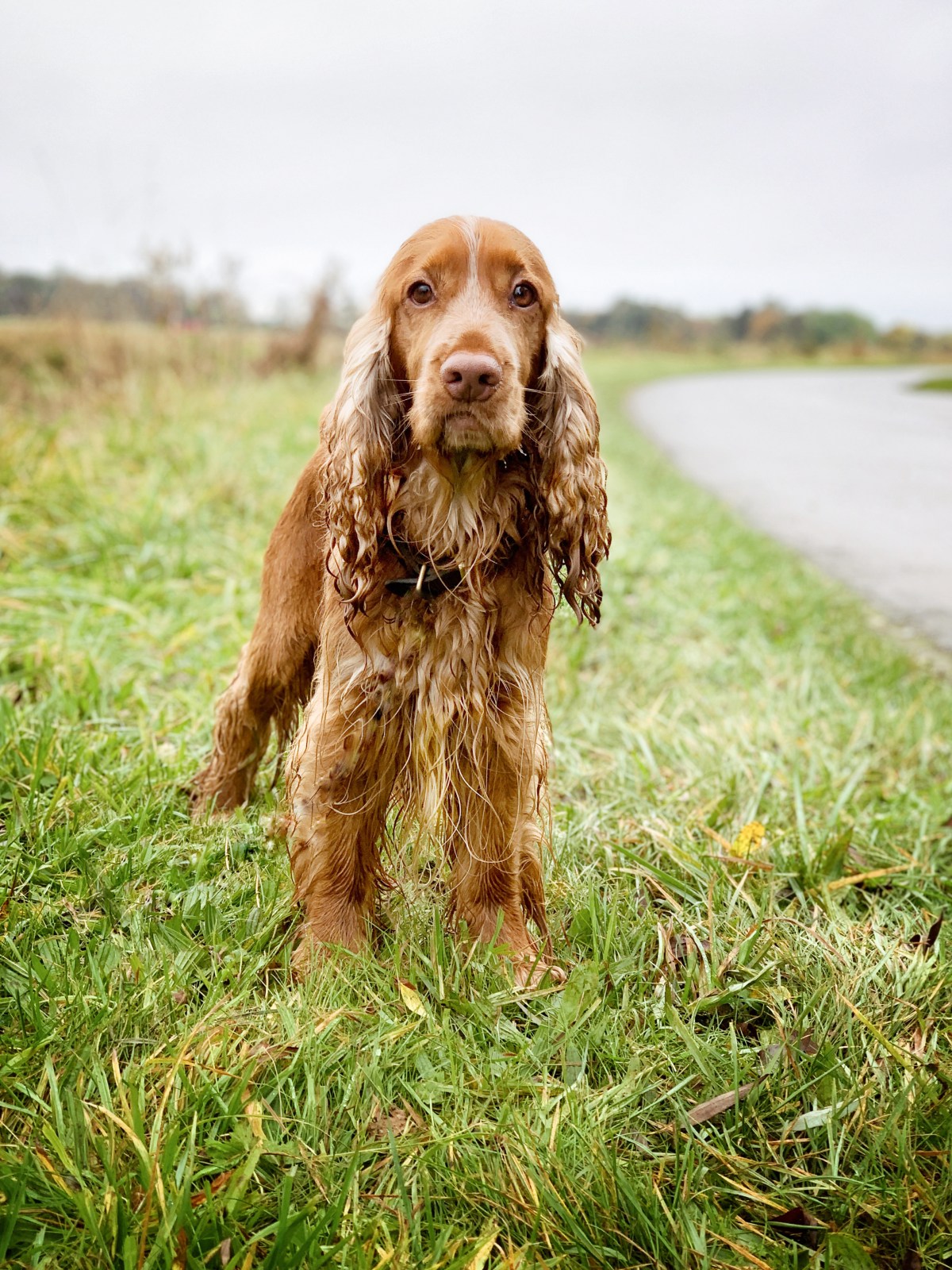
what to do with cocker spaniel dog when the weather is bad and rainy / indoor puzzle games for dogs ideas / puppy tips / all about English cocker spaniel training and keeping calm / Perfect cocker spaniel book and blog / (C) Natalia Ashton

Making the most of the rainy days

We got soaked this morning. Again. The weather has not been kind to us lately. It warmly gifted a glorious Sunday as if trying to justify a week worth of showers, but threw us back into wet and gloomy reality of wet paws and endless blow-dries in the early hours of Monday.

We returned from our walk looking like three seals. Not that anyone cared. Pups were happy – and I was pleased that we got out and stuck to the routine. By the time the blow-dry was over, the soft sun bounced out from the frothy clouds and things suddenly felt optimistic.

The pups settled down for a nap and I decided to write a little post about dealing with bad weather in the most productive way and ensure that your cocker spaniel is happy and satisfied.

Start your day by stepping outside. Even if it seems totally insane, do your best to have a walk in the morning. Your cocker will be grateful for every minute spent checking the neighbourhood, sniffing the grass and splashing through the puddles. Be mentally prepared for a long blow dry that will follow and if necessary, set yourself some extra time to have it done without messing up the rest of plans for the day.

Break your day into chunks and add 2-3 15-minute training sessions. Let your dog learn something new or practise the tricks he already knows.

Play the “find food” game. Hide pieces of kibble around the room (on the floor, in corners, hidden under scattered toys or towels, or left on chairs and sofa) and let your dog hunt for them.

Use brain and puzzle toys. They are created to suit different levels of difficulty, so you can get a few and swap them around. Start with level 1 to get the pup an idea of what to do, get to level 2 when he feels comfortable (and perhaps slightly bored) with the level 1 and move onto level 3 if your dog becomes an expert! Then you can alternate between all three – some can be used as feeders, others – to tire the brain and boost your dog’s confidence.

Choose between treat dispensing toys like Bob-a-Lot,  Wobbler, Turn Around or Busy Buddy, puzzle toys including Tornado Treat Toy, Puzzle Wheel, Brick Board or Dog Casino, or simply DIY by hiding treats inside empty boxes, egg containers, rolled towel. inside scrunched up wrapping paper, or even a muffin baking tin when you cover each  piece of kibble with a tennis ball.

Play the “magic” trick by hiding a piece of kibble in one of your hands and letting your dog sniff it out. Alternatively, hide the treat under three identical cups and ask your cocker find it.

Name your toys together! Pick a toy to play with your pup and remember to always name it when you hold it or throw it or ask the spaniel to find it. Eventually your dog will associate each toy with a name, so you can progress by asking him to go and get “ducky” or “teddy” from the toy basket.

Organise a pup date. Invite your dog’s best fur friend and his or her parents around for a play date. You can enjoy a conversation and a cup of tea while the pups will entertain each other.

Have a cuddle. Even the most energetic dog would enjoy a quiet moment spent next to you on a sofa. Make a cosy “nest” of blankets and pillows, choose a movie or a book and let your baby sleep on your lap.

After all, you just had a day of fun together – whatever the weather. Now it’s time to relax…


Photo source: Coop photographed by me