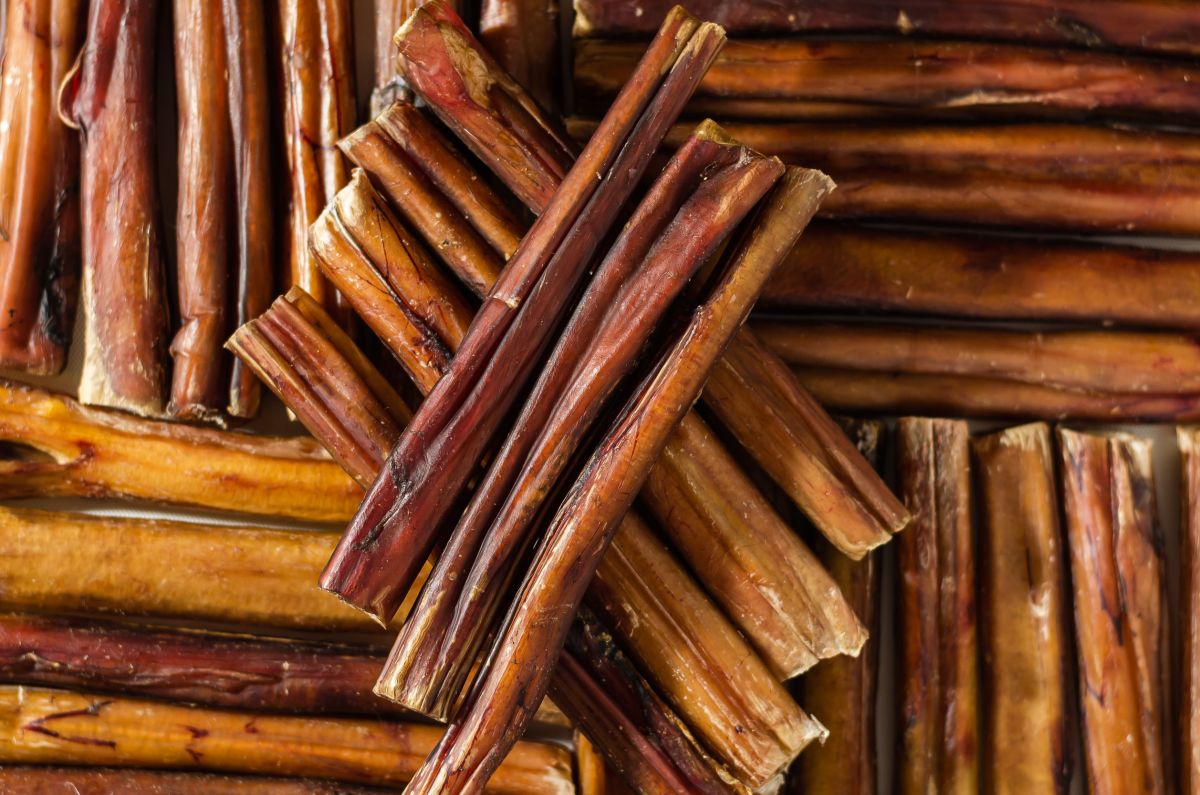
Are dried, raw and dehydrated treats safe and good for my dog / Bully sticks, pizzles, rabbit ears, pigs ears, rawhide treats, liver treats, fish skins for puppies / Nutrition advice for dog owners / How to choose dog treats safely? / Dangers of raw and dehydrated dog chews / Fanconi syndrome in dogs / Perfect cocker spaniel (C) dog blog, cocker spaniel advice, health tips, grooming tips, puppy training, diet, questions / Natalia Ashton

Faconi’s syndrome: the tricky aftermath of dog treats

Have you heard of Fanconi’s syndrome? If you ever thought of feeding your dog any dehydrated treats or chews, you need to keep reading.

Faconi syndrome is a defect that alters the ability of the kidneys to absorb and retain certain nutrients, electrolytes and water. It can be a hereditary disease that would only affect certain breeds such as Basenji.

However, over the past decade (it was first reported in 2007), the acquired form of the syndrome caused serious problems in many dogs, particularly toy, small and medium-sized ones.

The dogs would start urinating more than usual. They’d loose weight, appetite and become lethargic. About 60% had digestive symptoms, 30% showed signs associated with kidney function, and the remaining 10% developed tremors, convulsions and skin irritation. Some dogs were affected much more than others.

Upon examination, all these dogs had one thing in common. All of them regularly ate jerky treats or chews.

At first, the unsafe treats thought to be from China, but later on it was established that the country of manufacturing did not matter, and the reports on acquired Fanconi’s syndrome came from all over the world including the US, Canada, UK, Australia, Germany, Switzerland, Japan and Singapore.

Additionally, the treats were made from various ingredients – not just the chicken as it was originally thought – and included poultry, beef, glycerine and vegetable base (dried sweet potato chews and certain dental chews).

The root case of the illness is yet to be established, so please think of all the uncertainties and potential problems if you choose to give your dog any chew- and jerky-type treats.

The symptoms are not very easy to spot and if a dog develops them and is taken to the vets, the other causes need to be ruled out first, and the Fanconi’s test may take up to 2 weeks. This means that unless the dog is diagnosed fast, he may not always make it or will be left with chronic kidney problems.

Even thought these cases are rare, a few minutes of chewing bliss aren’t worth the risk. So it’s a good idea to consider a safer and healthier options including dog’s main food, fresh chopped carrots, cucumbers or apples, or even making your own treats at home.
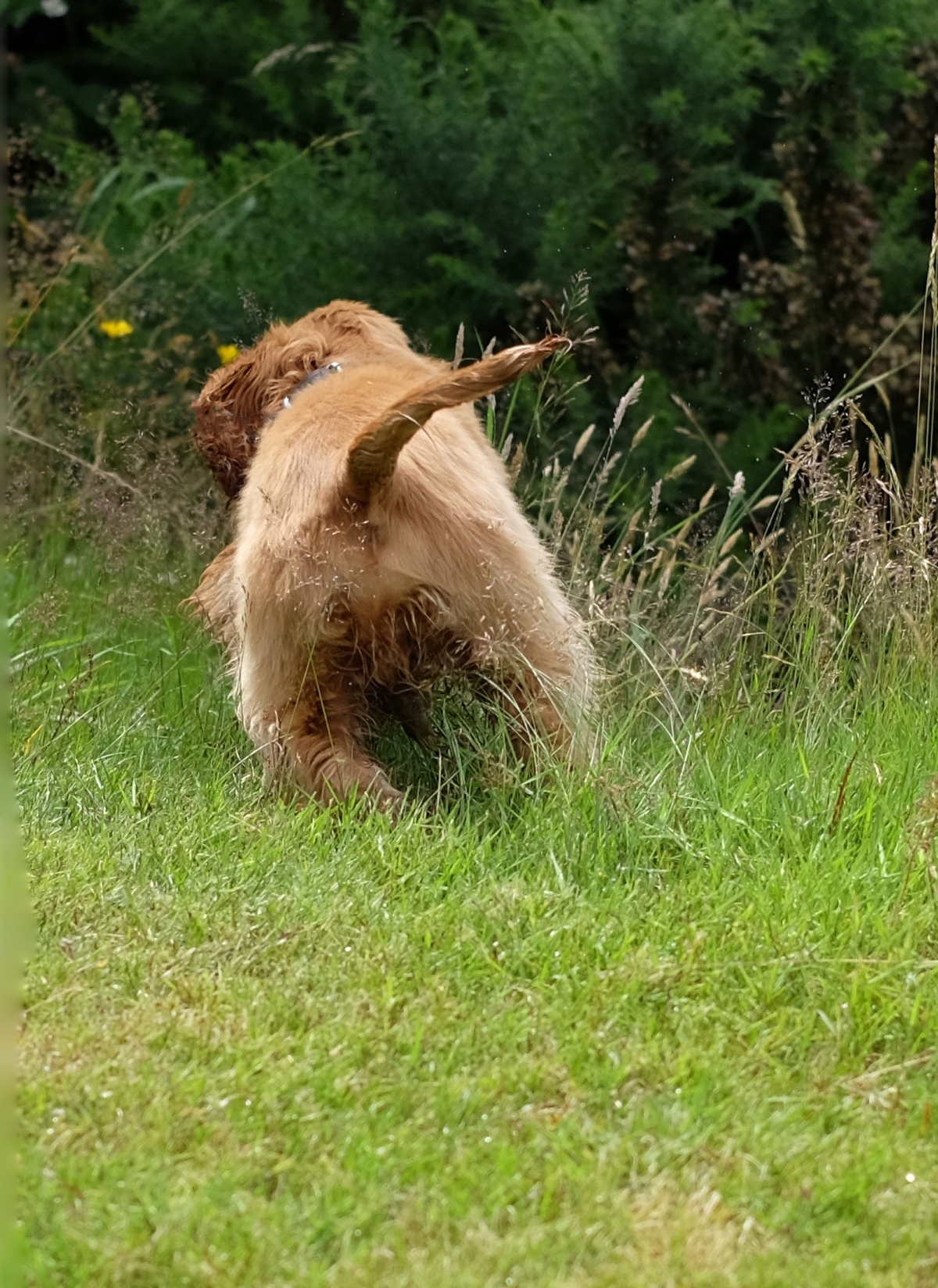
Anal glands health, issues, risks and potential problems in English cocker spaniel and how to prevent them (C) Perfect cocker spaniel, dog blog, canine nutritionist, all about English cocker spaniels, puppy tips, guide, grooming - copyrighted image

Things about anal glands every cocker spaniel parent must know

I think it took me longer to compose a title of this post than to write the actual story. Because no matter how hard I tried, it’s impossible to prettify the subject or make it spam-proof.

But hey, the perks of being a dog mum are always supplemented with conversations about poops and, as you can see, anal glands.

The little glands should be familiar to all cocker spaniel parents because cockers are one of the breeds that may experience problems in the area.

I’ll start with the latest study that looked into the non-cancerous anal sac disorders (ASD) in dogs. According to the results, cocker spaniels were among the affected dogs.

The study considered several parameters including weight and diet, and it seemed that at least some of the dogs needed to either lose weight or change food as a part of their treatment.

Which, to me, means that one of the ways to prevent issues is yet again helping your dog maintain slim physic and feeding him a complete and balanced diet. It can be easily achieved by keeping an eye on your spaniel’s weight, quality of food, portion sizes, amount of treats and activity levels. You know the drill…

Feeding meals that provide correct amount of fibre is one of the simplest ways to maintain healthy anal glands. This is when you should think of commercial complete formulas containing healthy grains instead of choosing grain-free options or experimenting with various types of diets.

You also need to remember to never ever express anal sacs as a part of routine grooming! Nature can do it for you as long as your dog’s diet is balanced.

Unless medically required, squeezing the glands against their will can only lead to injuries, traumas, inflammation and the need to manually express the sacs over and over again. Squeeze them once – and you will have to do it over and over again, first – every few months and then having to pay regular, often monthly, visits to the nurse clinic or a grooming salon.

I often hear dog parents say that they need to express the glands because of the fishy smell. However it is vital to remember that the odour is not always a sign of a physical problem (i.e. impacted glands), but a natural involuntary response to stress or fear. Re-assessing the situation, checking if your dog is happy and content, avoiding stressful events and helping your pooch if he suffers from reactivity or nervousness would eliminate any need to give the glands a squeeze.

And when your spaniel turns nine, you will also need to keep an eye on any odd symptoms that may suddenly appear under the tail and overall because some English cockers carry a specific gene that puts them at risk of anal sac carcinoma. It is important to ask your vet for regular checks and take your cocker to the clinic if he starts to drink or urinate extensively, develops a tiny odd mass or thicker skin under his tail at 4 or 8 o’clock mark, you see blood in stool or bleeding near your dog’s anus, he seems constipated or starts to scoot on his bum. Some dogs may also lose appetite, vomit and become lethargic. The outcomes of the treatment will depend on the stage when the cancer was caught.

So as un-pretty as the subject is, knowing about it can potentially save your dog’s life. Definitely a little lesson worth learning, right?

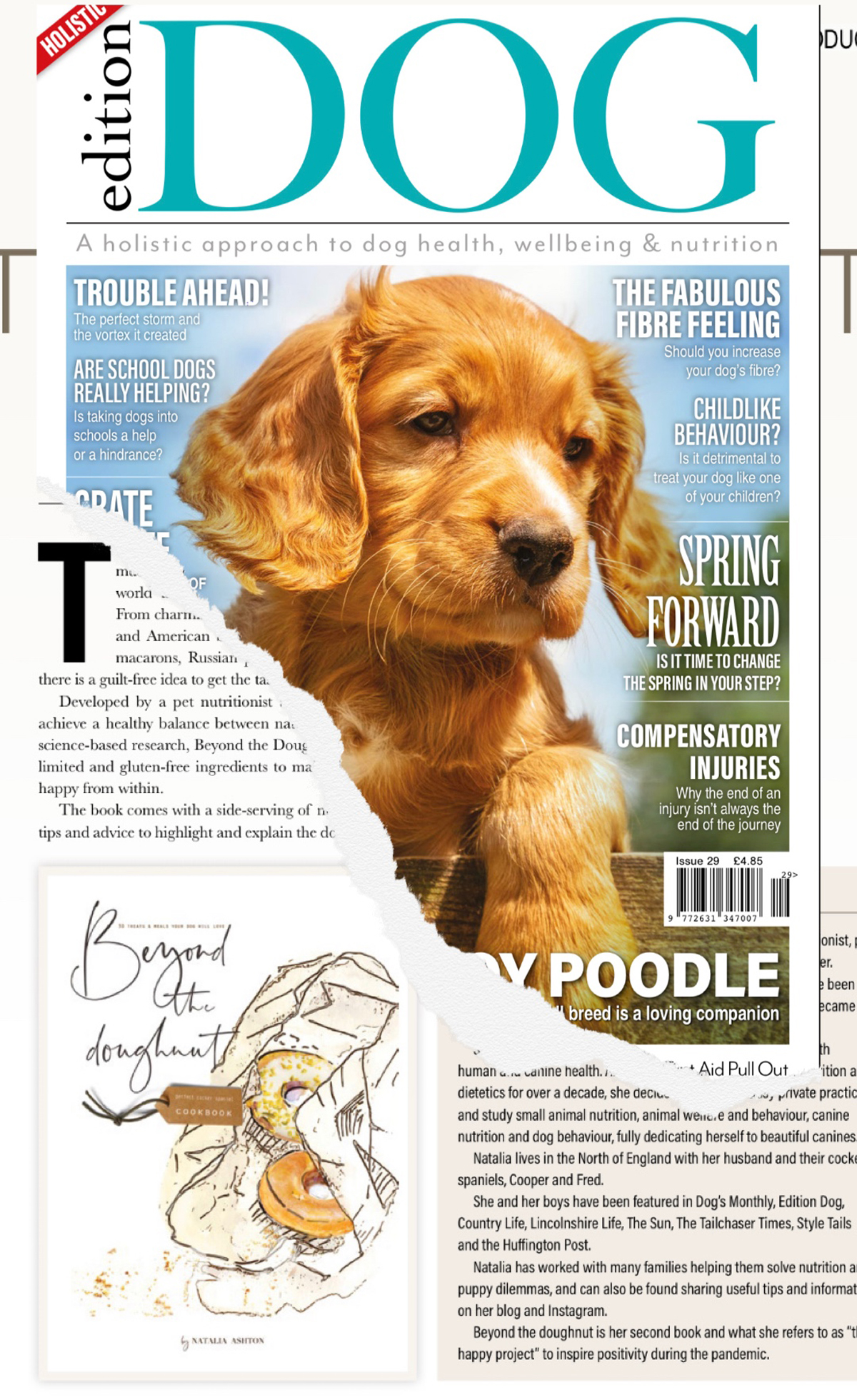
Beyond the doughnut, recipe book for healthy gluten free dog treats and meals recipes by Natalia Ashton / featured in Edition dog magazine

Beyond the Doughnut in Edition Dog magazine

Feeling so lucky and privileged to see Beyond the Doughnut featured in the March issue of Edition Dog magazine. The article looks gorgeous, though my husband did comment on the fact that I was the one who took “the pretty pictures”… It still feels surreal that I actually created the Doughnut, but every time  I see it, either on my desk or in a magazine, it fills me with endorphins. Such a happy, happy cookbook.