How to find English cocker spaniel puppy adverts online, buy cocker spaniel puppy online / how to find good cocker spaniel breeder / how to avoid puppy farms / first puppy tips and advice / first published on Perfect cocker spaniel blog (C)

Age-appropriate diet is not just a fancy

Every day, many times a day, I see, help and hear from people who are trying to choose the best and most suitable diet for their cocker spaniel. And I agree, it can be a challenging process, especially when you are just a pup parent, not a qualified canine nutritionist.

There is so much choice and promises out there that a pup parent can end up with a headache, feel confused and then grab the most appealing bag or go down the home-made cooking route.

The problem is that the chosen diet cannot just sound right, it needs to be right for your dog. And this includes his age.

Nowadays you can often come across dog formulas made to suit everyone, from puppies to seniors, little dogs and giant breeds, pregnant dogs and dogs who seem to have all sorts of issues.

That is why you need to remember that first and foremost the food you choose must be age-appropriate.

Puppies have very different needs to grown-ups or their mums. They need more protein, so they can grow nicely and never feed hungry. Yet the protein must be balanced to prevent rapid development and associated problems. They need certain amount of calcium and phosphorus to develop healthy bones. Yet their little bodies cannot regulate how much they’d absorb, so the quantities must be precise and different from the adult ones. The puppy diets are more nutrient-rich compared to the formula fed to adults and seniors because the grown-ups have their own energy requirements. If you feed an adult diet (or the diet that is marked as “maintenance diet”) to a puppy you will be running the risk of nutrient deficiencies and health issues – as a result.

On the other hand, feeding a puppy-appropriate diet to an adult can cause several physiological problems from mild digestive upsets to obesity. More over, feeding an adult dog a diet that contain more than 32% protein has been shown to lead to territorial aggression, anxiety, restlessness, reactivity and sleep disturbances.

The size of your puppy also matters. The small and medium puppies are usually given different amounts of protein and calcium in comparison to large and giant breeds because big pups need to develop at a different rate to avoid problems in the future. Even the kibble size can differ depending on the breed.

Help your cocker spaniel puppy grow healthy and joyful by feeding him a commercial complete balance diet formulated for puppies or the “growth stage”. You can continue feeding him the same diet as his breeder did as long as the diet is safe, complete and balanced, and made by a reputable manufacturer who put it through control feeding trials and had it FEDIAF (AAFCO) approved. Or you can gradually switch to the diet of your choice 2-3 weeks after you brought your puppy home, as long as the puppy is doing well physically and emotionally. Then you can continue using the food for the first 12 months. After your puppy’s first birthday gradually move him onto an adult formula.

If you ever have doubts or questions, always consult your vet, nutritionist, and a food company’s customer care for advice. You can also learn about cocker spaniel diet from my book, which has a chapter dedicated to breed-specific nutrition (and is more like a short nutrtion course rather than a generic read, but it does put you in control over the situation)

 

Scientists discover new precise way to calculate dog's age in human years / new research in DNA methylation and genetics / how old is my dog in human years / Perfect cocker spaniel blog / breed and puppy guide, grooming tips, diet and nutrition, cocker spaniel puppy training / canine nutritionist, dog dietician, pet nutrition coach / (C) Natalia Ashton

Science discovers a more precise way to convert dog’s age into human equivalent

Remember being told that you can convert your dog’s age into human years by multiplying the former by 7?

Well, the latest research published in the Cell Systems magazine tells us that it’s not as straight forward and our dogs may, in fact, be older in human years than we previously thought…

This time the scientists took blood samples from 104 labs spanning a 16-year age range to follow the changes that occur within the dog’s DNA sequences over lifetime. They then compared them to 320 human samples taken from people aged between birth and 103.

The aim of the study wasn’t simply finding out the most perfect age conversion. Instead, the researched wanted to compare the changes that occur in dogs’ and humans’ genes as we age, see how these changes can be utilised to improve the quality of life, and learn whether or not “the methylome* can be used to quantitatively translate the age-related physiology experienced by one organism (i.e., a model species like dog) to the age at which physiology in a second organism is most similar (i.e., a second model or humans)”.

These changes tend to occur at certain milestones of our lives showing as new attachments of the DNA structure (called DNA methylation), thus allowing the researches to use the DNA and these alterations (also referred to as the “epigenetic clock”) as a reliable estimate of a person’s age.

The dogs were chosen for the study because they are the species we tend to share our lives, diet, chemical exposure and environment more than any other animals.

The highest similarities in sequence changes were noted in young dogs and young adults, as well as senior dogs and older people. The results of the analysis also showed that an 8-week old puppy is likely to be equal to a 9-month old baby, will be similar to a 31-year old by the time he turns one, and the 12-year old lab can be compared to a 70-year old adult. The adolescent stage was less predictable, possibly due to the fact that dogs have a shorter lifespan.

For me, another fascinating discovery was the dramatic age jump during the first year of dog’s life (from birth to being 31!) yet how the process slowed down once the dog celebrated his third birthday.

The geneticists did come with an algorithm for calculating the age, which was a bit more challenging than multiplying our dog’s age by 7.

human_age = 16 ln(dog_age) + 31

If you fancy doing it yourself, you first need to multiply your dog’s natural logarithm by 16, then add 31.

However, I did the maths for you to keep things simple…

Dog’s age = 1 years old / Human age = 31 years old

Dog’s age = 2 years old / Human age = 42.1 years old

Dog’s age = 3 years old / Human age = 48.6 years old

Dog’s age = 4 years old / Human age = 53.2 years old

Dog’s age = 5 years old / Human age = 56.8 years old

Dog’s age = 6 years old / Human age = 59.7 years old

Dog’s age = 7 years old / Human age = 62.1 years old

Dog’s age = 8 years old / Human age = 64.3 years old

Dog’s age = 9 years old / Human age = 66.2 years old

Dog’s age = 10 years old / Human age = 67.8 years old

Dog’s age = 11 years old / Human age = 69.4 years old

Dog’s age = 12 years old / Human age = 70.8 years old

Dog’s age = 13 years old / Human age = 72 years old

Dog’s age = 14 years old / Human age = 73.2 years old

Dog’s age = 15 years old / Human age = 74.3 years old

Dog’s age = 16 years old / Human age = 75.4 years old

So how old is your cocker in human years? I am still struggling to process the fact that Coop is already over 50 and my little Fred is same age as me, if not a bit older. Quite a shock to the system, mainly mine, of course.

* the activity within the DNA that changes during our lifetime


Photo source: image by athree23 from Pixabay

Can my dog eat cucumbers? Recipe for quick, simple, easy, one-ingredient cooling & hydrating snack for dogs in hot weather and heatwave / dog nutrition and diet tips / qualified canine nutritionist & pet nutrition coach / (C) Natalia Ashton, Perfect cocker spaniel: Guide to English cocker spaniels, grooming, training, puppy tips, health and diet

Healthy & easy cooling snack for your dog

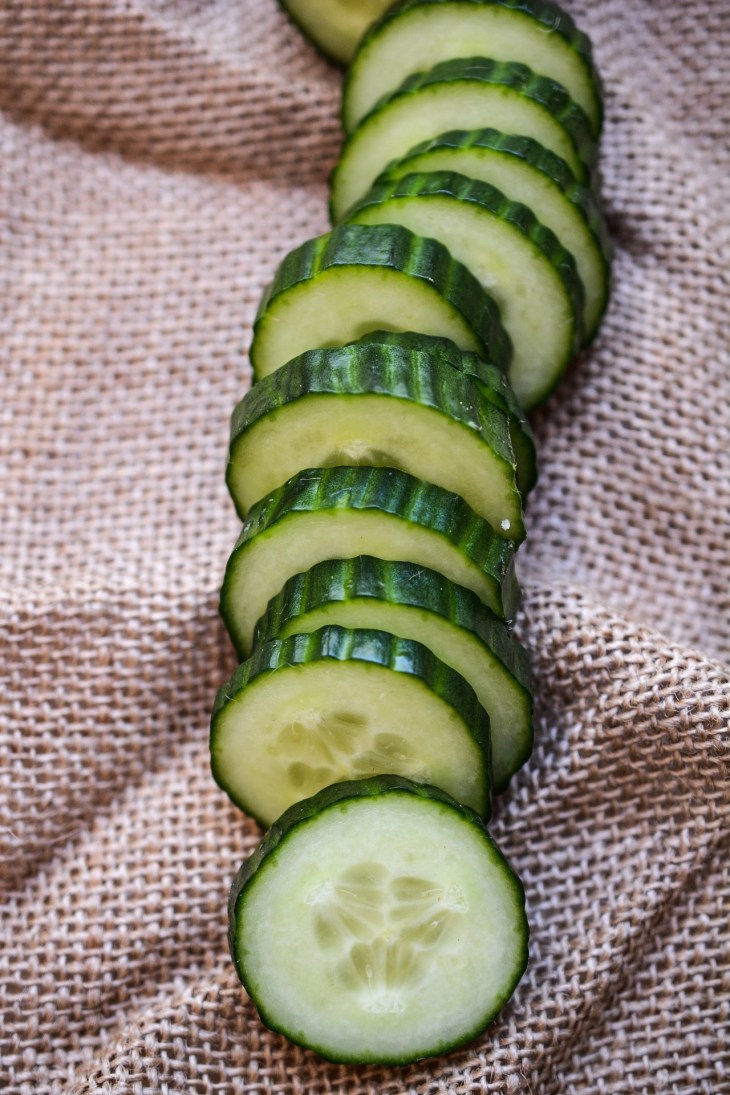
If you can slice a cucumber (and have one around), you can make this delicious cooling snack for your dog in no time!

Take a cucumber.

Peel off the skin if it’s not organic or have been wrapped in plastic.

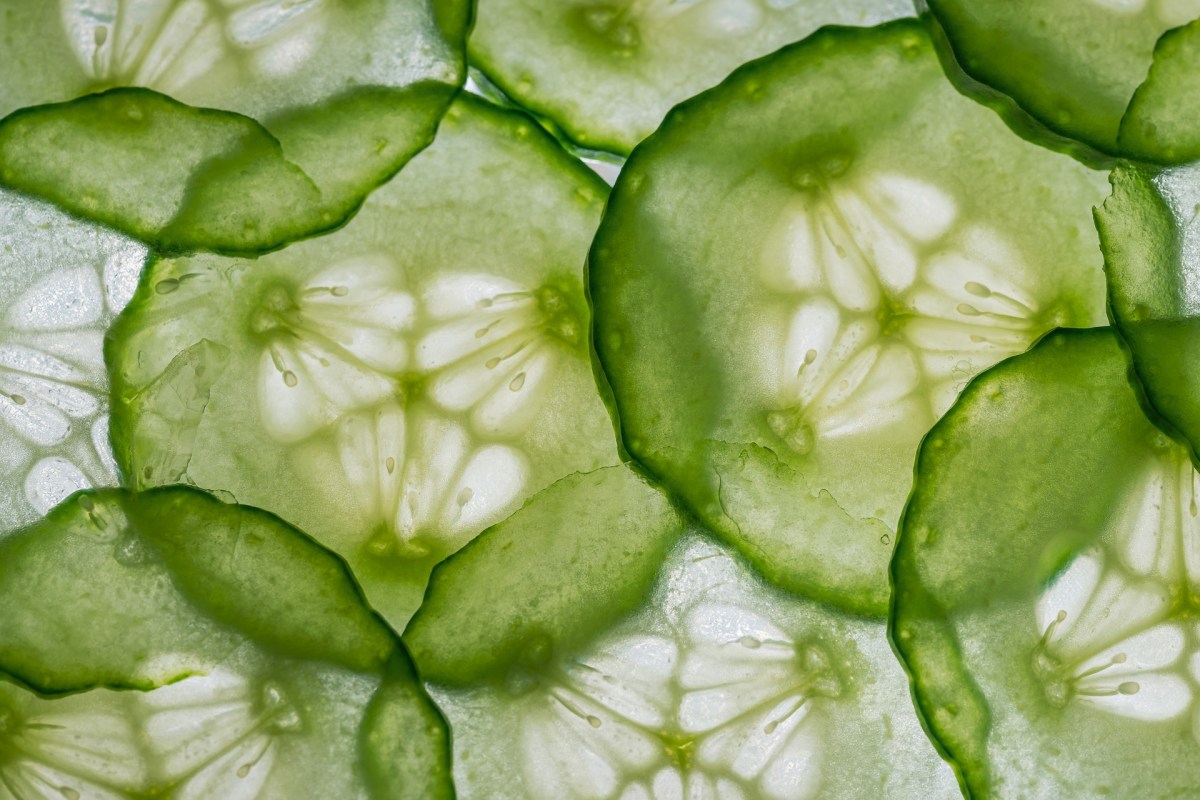
Cut into 2-mm slices

Place them on a plate or tray and place in a freezer

Once frozen, treat your spaniel to a fabulous healthy snack that will keep him hydrated and cool!

Puppies over 3 months old and dogs who have never tried cucumber before should start with 1 slice per day.

Cucumber lovers can have 2-3 slices per day as too much can cause loose stools because cucumbers are full of water and fibre.

Only use fresh raw cucumbers, not pickled or preserved varieties.

can-my-dog-eat-cucumber-nutritinon-healthy-snacks-for-spaniels-quick-recipes

Photo credit: Kai Reschke & monicor from Pixabay