Perfect cocker spaniel / @perfectcockerspaniel & @cooper.spaniel / autumn toxic plants for dogs

5 things that can be dangerous for dogs in autumn

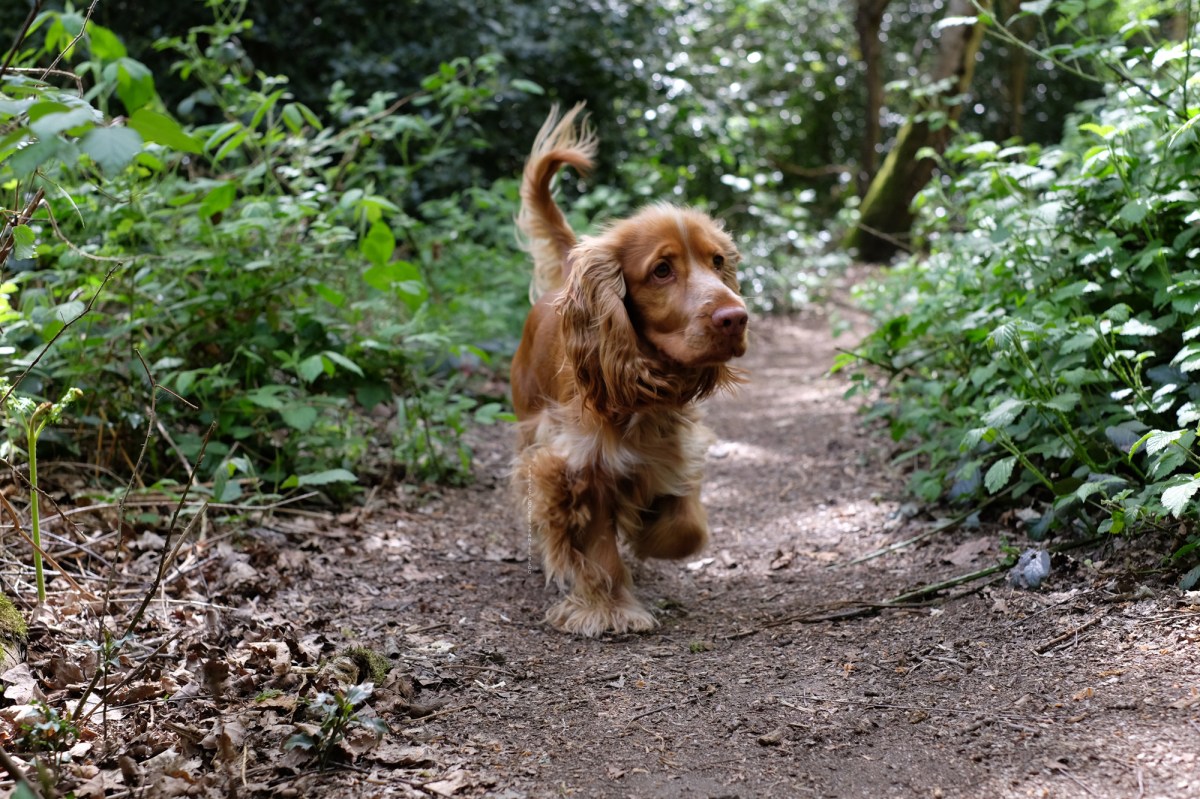
Autumn is such a beautiful season and, lets be honest, much better for cocker spaniels than hot and humid summer. We still get long and sunny walks, yet the air is cool and everything looks so beautiful, and if I may say so, works as a gorgeous background for a typical cocker.

There are, however, a few things that you need to be aware of when out and about.

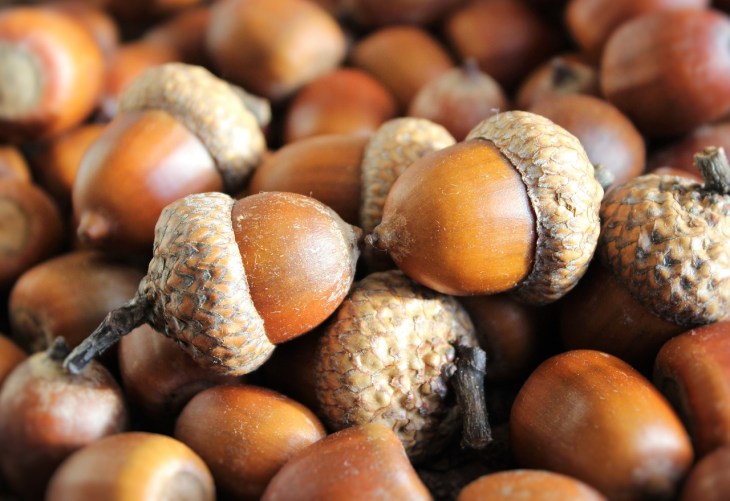
Acorns can be very tempting tempting for dogs and puppies, in particular, because they look like interesting little rocks that beg to be tasted! Luckily, they are bitter, so the dogs often spit them out and never try again, but there will always be a few who somehow find acorns fascinating and worth a bite no matter what.

Unfortunately, acorns can cause instestinal blockages if swallowed whole. They also contain a chemical called gallotannin known to cause anything from a mild stomach upset to death. Green acorns are more toxic than brown due to higher concentration of gallotanning in the outer shell. Toxicity levels also depends on the oak species.

Symptoms such as diarrhoea, upset tummy and vomiting may take up to a week to develop, so if you suspect that your cocker might have chewed an acorn, contact the vets immediately.
toxic-plants-dogs-acorns-perfectcockerspaniel-blog

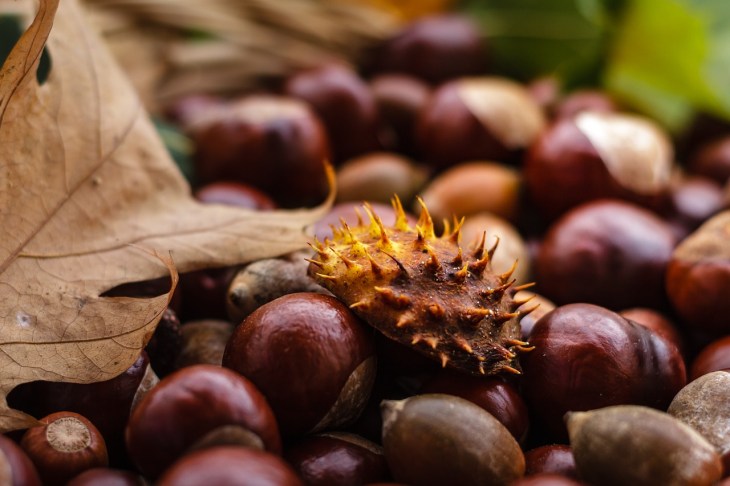
Horse chestnuts or conkers are another nut that is highly toxic to dogs if chewed and digested. Conkers contain aesculin, a chemical compound found in both the nuts and the leaves. Symptoms usually develop within 1-6 hours depending on the amount of digested toxin, and include vomiting, diarrhoea, restlessness, pain, discomfort, dehydration, shock and, in worst cases, respiratory paralysis and death. If cockers are swallowed whole, they can cause intestinal blockage and will require an urgent surgery.
toxic-plants-dogs-horse-chestnut-conckers-perfectcockerspaniel-blog

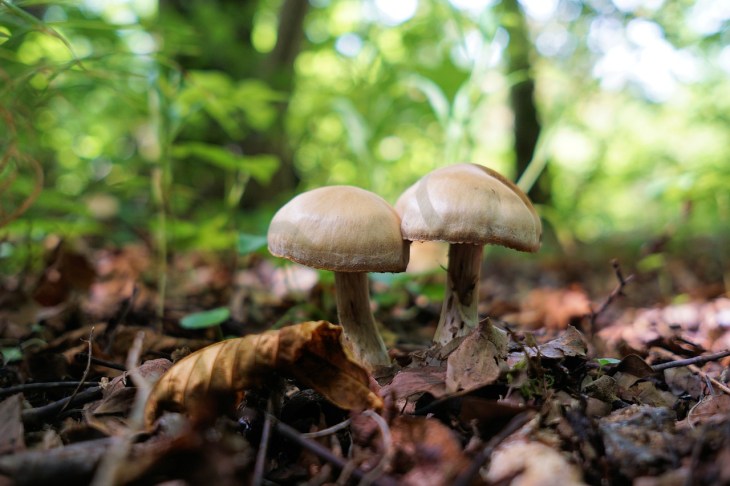
Wild mushrooms are the dogs enemy, so it is best to avoid them all together. Some of the worst species include toad stools (red cups with white dots), Jewellery death cup (pale brown cup with white dots), Panther cup (golden brown cup with white dots), Death cup (greenish cup with a thin stem and rather generous “skirt”, 30g of this mushroom is fatal to humans), Destroying angel (flat pale yellow or white cup on a thin stalk), Fools whitecap (small chestnut brown mushrooms), Fools funnel (shaped like a pale grey funnel), and Autumnal Galerina (flat rust-coloured cups, these mushrooms grown on sawdust in “families”). Yellow stainer that looks like white balls that sit in groups all over the ground is commonly found in gardens and green areas as well as woods.

The symptoms of mushroom poisoning can develop rapidly and include anything from vomiting and diarrhoea to liver and kidney failure, and death.
toxic-plants-mushrooms-perfectcockerspaniel-blog

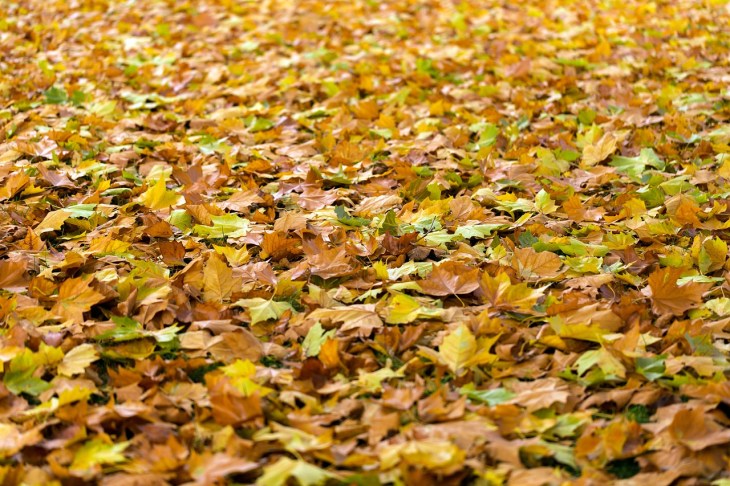
Leaves, both freshly fallen and dry rusty ones, can cause digestive upsets, especially in pups whose digestive system is still developing and acquiring its natural defence mechanisms. Old and dump leaves can also house fungi and bacteria as well as bugs and mites. The fungi and bacteria can cause digestive problems, diarrhoea and vomiting, while the bug bites – lead to irritation and, if the dog licks and scratches the spots, bacterial infection.
toxic-plants-dogs-leaves-perfectcockerspaniel-blog

Fireworks season is coming up soon. We tend to think of them as one of the causes of anxiety and fear, but it is important to remember that used fireworks can be very toxic to dogs. Make sure to clear your garden from any left over bits and look out for them during your walks.

fireworks

Now the conversation is done with, it’s time to enjoy the beautiful things autumn brings.

NB. A slightly condensed version of this post is also published on @perfectcockerspaniel

Photo source: all images except the photo of Cooper are via Pixabay: acorns, chestnuts, leaves, mushrooms, fireworks

Ted Obo, black English cocker spaniel, the father of modern English cocker spaniels, bred by James Farrow | Photo from Illustrations du Journal L'Acclimatation (C) Mary Evans Picture Library

Q&A | Who was the father of all modern English cocker spaniels?

Do you know the cocker who started it all? His name was Obo. He was bred by James Farrow in 1879 and won the highest possible honours at shows. Obo is considered to be the father of all the best black and parti-coloured lines of cocker spaniels.

Photo source: (C) Mary Evans Picture Library 

Boosters, titres & avoiding dangerous vaccines

I am relieved (I could have written “happy”, but honestly, “relieved” feels right) to report that Cooper had his first booster vaccinations and everything went well.

Actually, better than well. It felt like a huge weight was lifted off my shoulders!

I decided to titre-test prior to vaccinations. Titre (sounds like tighter) is a simple blood test that shows the presence of antibodies for adenovirus (hepatitis), parvovirus and distemper. Any positive readings reduce the need for frequent (read, annual) boosters, thus the risk of over-stimulating pup’s system and causing serious problems.

There are two types of titre tests in the UK right now. The VacciCheck is a quick option that can be done within a couple of days, costs around £30 and shows a colour-chart for the antibodies rather than exact readings, and the comprehensive option priced around £90, which takes a week and comes as a report with numbers – the higher the numbers the better for the pup’s immunity.

We did both. Don’t ask… It’s a long story. The fact is that we ended up with two reports showing that Cooper still had enough antibodies for two of the three, but not the adenovirus. I admit, at this point my heart dropped because I was hoping for avoiding the core vaccine, however, our brilliant vet (I swear I could absolutely hug him for being so wonderful and knowledgable and not treating me like a neurotic idiot!) explained that the core vaccine we do this year will last Cooper for at least three years or more, depending on his next titre in two years.

He then gave us options for different brands to ensure I felt comfortable with the one he was using. Since I checked every single vaccine available under the sun, I recognised the one he mentioned straight away, so he proceeded.

Unlike our Oscar’s vets who never let us wedge in a single word or ever bothered giving us a chance to speak, ask and discuss, this doctor seemed to have time for everything, giving me an opportunity to really talk about my concerns, fears and even past experience with Oscar. Not only that he seemed genuinely interested in what I was saying, so it was a conversation, not a guidelines-powered monologue.

And I wanted to say here, just in case you are panicking about vaccinating your dog, that according to Cooper’s wonderful vet, no dog living in the UK permanently, without travelling abroad, require an L4 vaccine! The doctors are aware of the side-effects and do their best not to use the L4 unless it is vitally important due to travelling to Europe and countries known to have the new strains.

They do not recommend routine annual vaccinations either and advise on titre-testing whenever possible or simply not vaccinating for the core vaccines (parvo, adenovirus and distemper) more often than every 3 years after the puppy vaccine and first annual booster. Lepto needs to be done annually, but only for two strains and brands other than Nobivac or Canigen (the two contain Thiomersal, the mercury compound that can cause side-effects due to its toxicity).

You do not need to routinely vaccinate for the kennel cough either unless your dog goes into kennels, very young (puppy’s first year) or a senior. The rest of the canine population can get a kennel cough, but to them it is exactly the same as a common cold for humans, thus most can recover (and develop immunity for that particular virus!) on their own, and very few may need antibiotics.

A piece of good news that came as a relief is that the doctors are aware of the dangers and side-effects of the “bad vaccines” and the studies and research are happening as we speak. It is not easy for them because not every vet or dog owner would report their case to make the information available, so if your dog suffered as a result of vaccination, please report your story.

And please do not avoid vaccines all together! They are essential to keep our dogs healthy and preventing the spread of the disease! Think of all the diseases that could wipe out populations until we finally got the vaccines to control them. Think of a possibility of a dog-carrier of the disease potentially affecting many other dogs (lepto can spread through urine, which many dogs would sniff and lick!). Think that many diseases, while treatable, can affect your dogs’ health for life.

Vaccinate, but find a vet who will know how it should be done and avoid every butcher surgery more interested in financial gains than the health of our darling pets. I hope this little story will prove that the good ones are still out there. Not as many as the bad ones, but they certainly exist.