Reasons to change and vary dog food / Changing dog food to prevent sensitivities / Why dogs develop food sensitivities / Perfect cocker spaniel, dog blog, breed & puppy guide book / Puppy tips, training, cocker spaniel grooming, handstripping, canine nutrition diet advice / (C) Natalia Ashton

Changing food for good

It’s not that our little lives are that uneventful, but this change needs to be documented here as it is pretty important to us.

Last week I changed the boys’ food. Not dramatically, but I did it. They have been eating a chicken based diet for a few years. It’s been great, really. They love it. Almost too much.

I’ve loved it, too, because it was a good recipe, organic and natural, no junk included.

But at the back of my mind I had this silly little brain worm reminding me about food sensitivities and ways they tend to develop. And I definitely did not want my boys to experience that. So I decided to add another source of protein to give them a bit of variety and reduce the risk of any reactions in the future.

Even though the risk of suddenly becoming sensitive to chicken (or any other protein) is minimal, it can happen if the dog is fed the same protein every single day for a lifetime. He doesn’t need to be sensitive to begin with, but his immune system may question the presence of high amounts of a certain protein in the system and eventually react to it.

Of course, the real situation isn’t as simple as it looks here because it takes a lot of factors and underlying reasons to create such a reaction, but I wanted to explain the basics and encourage you to read the Nutrition and Allergies chapters in Perfect cocker spaniel to learn more.

As I like things to be safe and balanced, I chose the same food company and simply picked a lamb option for the pups to try. After three days of a gradual swap, the boys embraced it fully without any complains or issues. I even think they love it more than chicken…

As of today, we have chicken meal for breakfast and lamb – for dinner. I also use both chicken and lamb kibble for training. Coop and Fred are also continue eating their favourite fresh treats and occasional home-cooked dinner (this really is random).

In three months I am planning to add another flavour to the menu, most likely duck. We’ll see how it goes…

Photo credit: Cooper photographed by me

How to find English cocker spaniel puppy adverts online, buy cocker spaniel puppy online / how to find good cocker spaniel breeder / how to avoid puppy farms / first puppy tips and advice / first published on Perfect cocker spaniel blog (C)

Age-appropriate diet is not just a fancy

Every day, many times a day, I see, help and hear from people who are trying to choose the best and most suitable diet for their cocker spaniel. And I agree, it can be a challenging process, especially when you are just a pup parent, not a qualified canine nutritionist.

There is so much choice and promises out there that a pup parent can end up with a headache, feel confused and then grab the most appealing bag or go down the home-made cooking route.

The problem is that the chosen diet cannot just sound right, it needs to be right for your dog. And this includes his age.

Nowadays you can often come across dog formulas made to suit everyone, from puppies to seniors, little dogs and giant breeds, pregnant dogs and dogs who seem to have all sorts of issues.

That is why you need to remember that first and foremost the food you choose must be age-appropriate.

Puppies have very different needs to grown-ups or their mums. They need more protein, so they can grow nicely and never feed hungry. Yet the protein must be balanced to prevent rapid development and associated problems. They need certain amount of calcium and phosphorus to develop healthy bones. Yet their little bodies cannot regulate how much they’d absorb, so the quantities must be precise and different from the adult ones. The puppy diets are more nutrient-rich compared to the formula fed to adults and seniors because the grown-ups have their own energy requirements. If you feed an adult diet (or the diet that is marked as “maintenance diet”) to a puppy you will be running the risk of nutrient deficiencies and health issues – as a result.

On the other hand, feeding a puppy-appropriate diet to an adult can cause several physiological problems from mild digestive upsets to obesity. More over, feeding an adult dog a diet that contain more than 32% protein has been shown to lead to territorial aggression, anxiety, restlessness, reactivity and sleep disturbances.

The size of your puppy also matters. The small and medium puppies are usually given different amounts of protein and calcium in comparison to large and giant breeds because big pups need to develop at a different rate to avoid problems in the future. Even the kibble size can differ depending on the breed.

Help your cocker spaniel puppy grow healthy and joyful by feeding him a commercial complete balance diet formulated for puppies or the “growth stage”. You can continue feeding him the same diet as his breeder did as long as the diet is safe, complete and balanced, and made by a reputable manufacturer who put it through control feeding trials and had it FEDIAF (AAFCO) approved. Or you can gradually switch to the diet of your choice 2-3 weeks after you brought your puppy home, as long as the puppy is doing well physically and emotionally. Then you can continue using the food for the first 12 months. After your puppy’s first birthday gradually move him onto an adult formula.

If you ever have doubts or questions, always consult your vet, nutritionist, and a food company’s customer care for advice. You can also learn about cocker spaniel diet from my book, which has a chapter dedicated to breed-specific nutrition (and is more like a short nutrtion course rather than a generic read, but it does put you in control over the situation)


Can my dog eat cucumbers? Recipe for quick, simple, easy, one-ingredient cooling & hydrating snack for dogs in hot weather and heatwave / dog nutrition and diet tips / qualified canine nutritionist & pet nutrition coach / (C) Natalia Ashton, Perfect cocker spaniel: Guide to English cocker spaniels, grooming, training, puppy tips, health and diet

Healthy & easy cooling snack for your dog

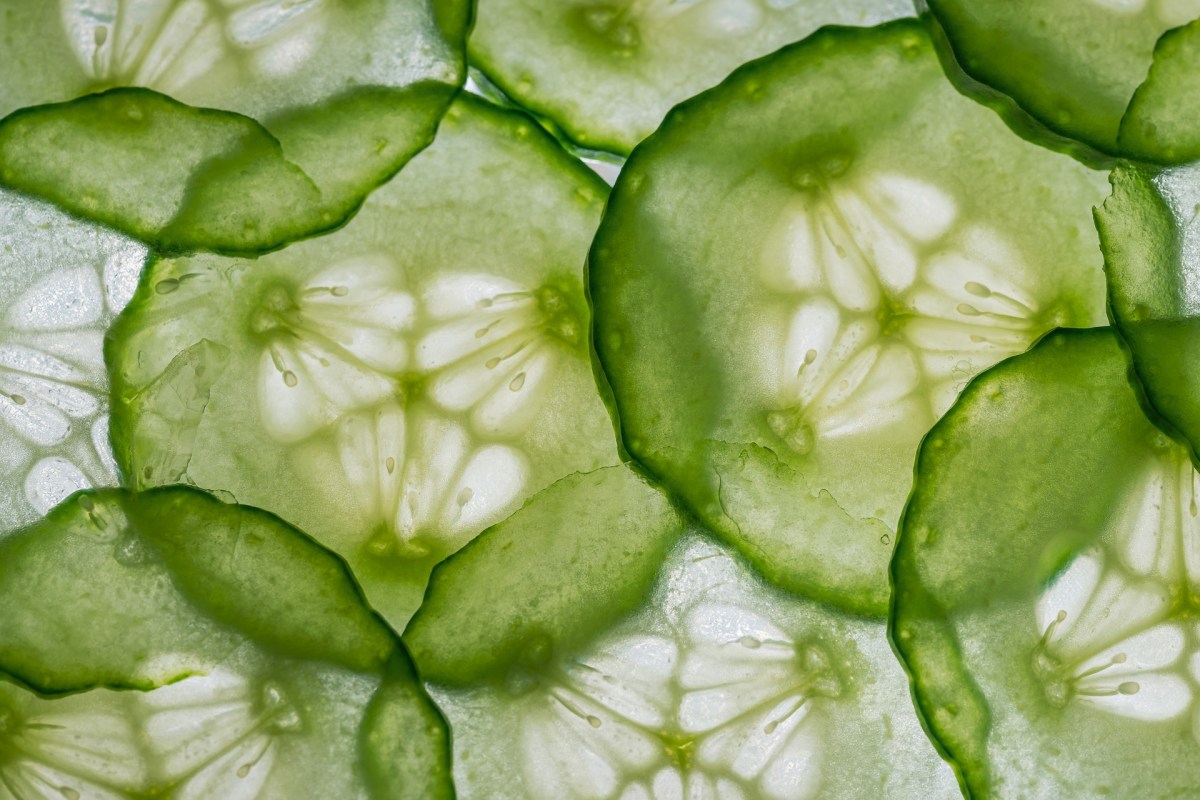
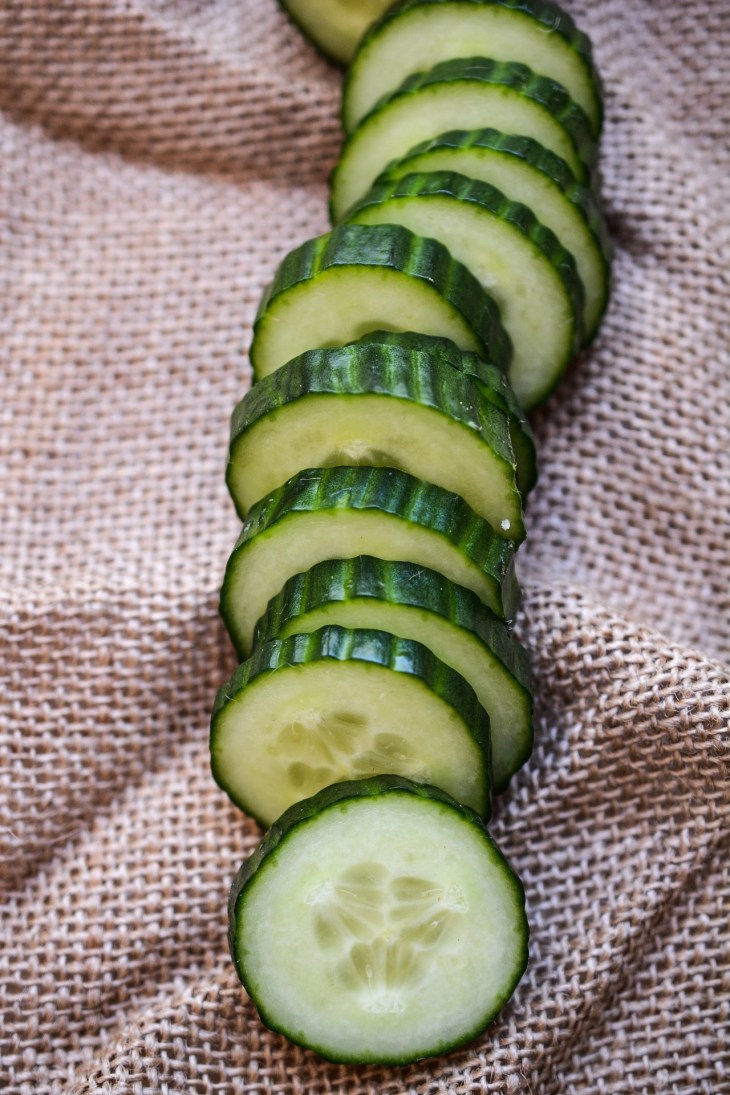
If you can slice a cucumber (and have one around), you can make this delicious cooling snack for your dog in no time!

Take a cucumber.

Peel off the skin if it’s not organic or have been wrapped in plastic.

Cut into 2-mm slices

Place them on a plate or tray and place in a freezer

Once frozen, treat your spaniel to a fabulous healthy snack that will keep him hydrated and cool!

Puppies over 3 months old and dogs who have never tried cucumber before should start with 1 slice per day.

Cucumber lovers can have 2-3 slices per day as too much can cause loose stools because cucumbers are full of water and fibre.

Only use fresh raw cucumbers, not pickled or preserved varieties.

can-my-dog-eat-cucumber-nutritinon-healthy-snacks-for-spaniels-quick-recipes

Photo credit: Kai Reschke & monicor from Pixabay