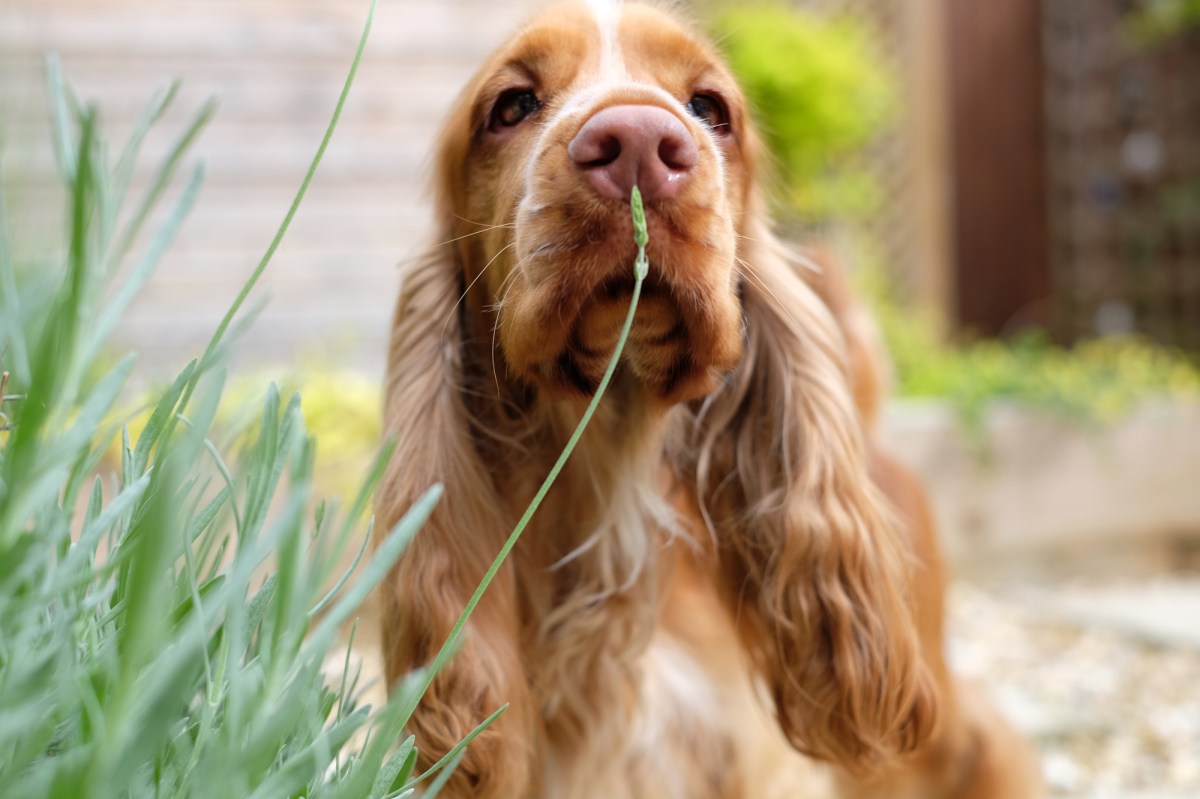
Cooper, my red sable English cocker spaniel, with lavender / Spring plants that are toxic to dogs / first published on Perfect cocker spaniel blog / (C) Natalia Ashton

Spring plants that are toxic to dogs

IF IT GROWS FROM A BULB, IT IS PROBABLY TOXIC.

I’m loving the spring blooms! They put a smile on my face. Naturally, I feel like a guilty witch saying that some of these pretty flowers can be very dangerous for dogs. Puppies are particularly at risk because they love to explore and chew everything in sight. Unfortunately, such a lesson can backfire, so you need to be aware of the plants and signs of poisoning.

Remember that the bulbs are most toxic. Leaves and flowers are also problematic, but to a lesser degree. However, it is important to seek immediate veterinary help if your dog chews or ingest any part of the plant.

Snowdrops - spring plants that are toxic to dogs / Published on Perfect cocker spaniel / dog blog

Snowdrops, especially the bulbs, stems and leaves, contain phenanthridine alkaloids galantamine and lycorine that cause vomiting, salivation, diarrhoea, seizures, low blood pressure and lack of coordination.

Tulips - spring plants that are toxic to dogs / Published on Perfect cocker spaniel / dog blog

Tulips & hyacinths bulbs contain calcium oxalates and lactones. Signs of poisonings include drooling, mouth irritation, vomiting, diarrhoea, fast heart beat, breathing difficulties. High doses can be fatal.

Crocus - spring plants that are toxic to dogs / Published on Perfect cocker spaniel / dog blog

Crocuses from the Iridacea family usually appear in spring. They are less toxic than the crocus-like flowers from the Liliaceae family that bloom in September but produce the highly toxic leaves in the spring. The spring plants can cause diarrhoea and vomiting. The Liliaceae crocuses lead to intestinal bleeding, bloody diarrhoea, seizures, liver and kidney damage, breathing difficulties and death.
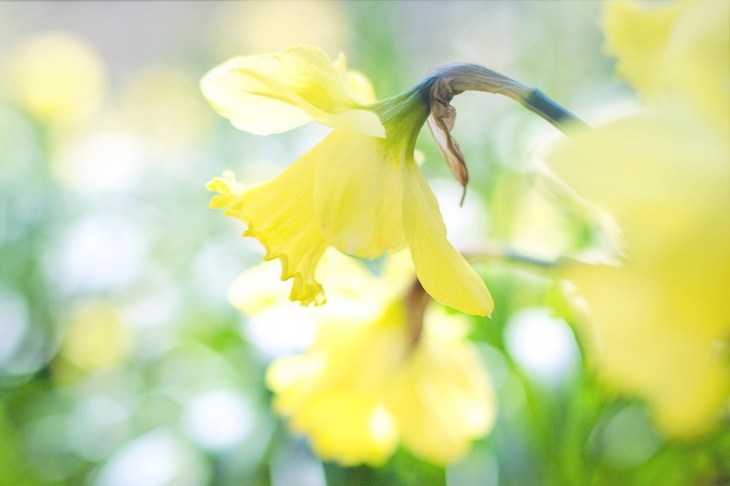
Daffodils - spring plants that are toxic to dogs / Published on Perfect cocker spaniel / dog blog

Daffodil flowers, leaves and bulbs contain lycorine and galantamine that cause irritation of the mouth and digestive tract and leads to vomiting. Other signs are drooling, diarrhoea, stomach ache, breathing difficulties and abnormal heart beat.

If you suspect that your dog chewed or swallowed any of the above – take him to the vet as soon as possible before any signs of poisoning appear. It’s better to be smiled at for being a paranoid puppy mum (and trust me, most vets will not judge you at all!) than wait and wonder.

Photo source: Cooper photographed by me, snowdrops by sunflair, Rob van der Meijden, conger design, Jill Wellington from Pixabay

Wet dog paw print. Why it is important to wash cocker spaniel paws after each walk / English cocker spaniel grooming tips and advice / cocker spaniel puppy / first published on Perfect cocker spaniel blog

3 reasons to wash your dog’s paws after a walk

I know many people who think that it’s not essential to wash dog’s paws after each walk unless they are covered in mud.

Well, my pups get a paw wash or rinse as soon as we get indoors. Funnily enough, they love it and often refuse to do anything else until the paws are clean and dry.

I am not a germophobe. But I do have my reasons. And here are the three main ones…

Actual mud and dirt. Even if the paws don’t look soaked in mud, they are still dirty. Having dogs running around the house and sleeping in my bed is the same as me sleeping in my bed with my shoes on. Not particularly hygienic.

Parasites & harmful bacteria. Some larvae, viruses and bacteria that are harmful to dogs can survive in the soil for months and stick to dog’s paws once walked on. If the dog licks his paws afterwards he is at higher risk of ingesting these and developing anything from intestinal parasites to infectious diseases.

Toxic substances. In spring and summer the grass may be covered with pesticide residue that is toxic to dogs and can be lethal. In autumn and winter the path is often sprinkled with salts that can cause irritation, cracked paws and, if the dog licks it off, upset stomach, vomiting and even death.

What about do? Do you wash your dog’s paws or leave it au naturel?

Photo source: image by PublicDomainPictures from Pixabay


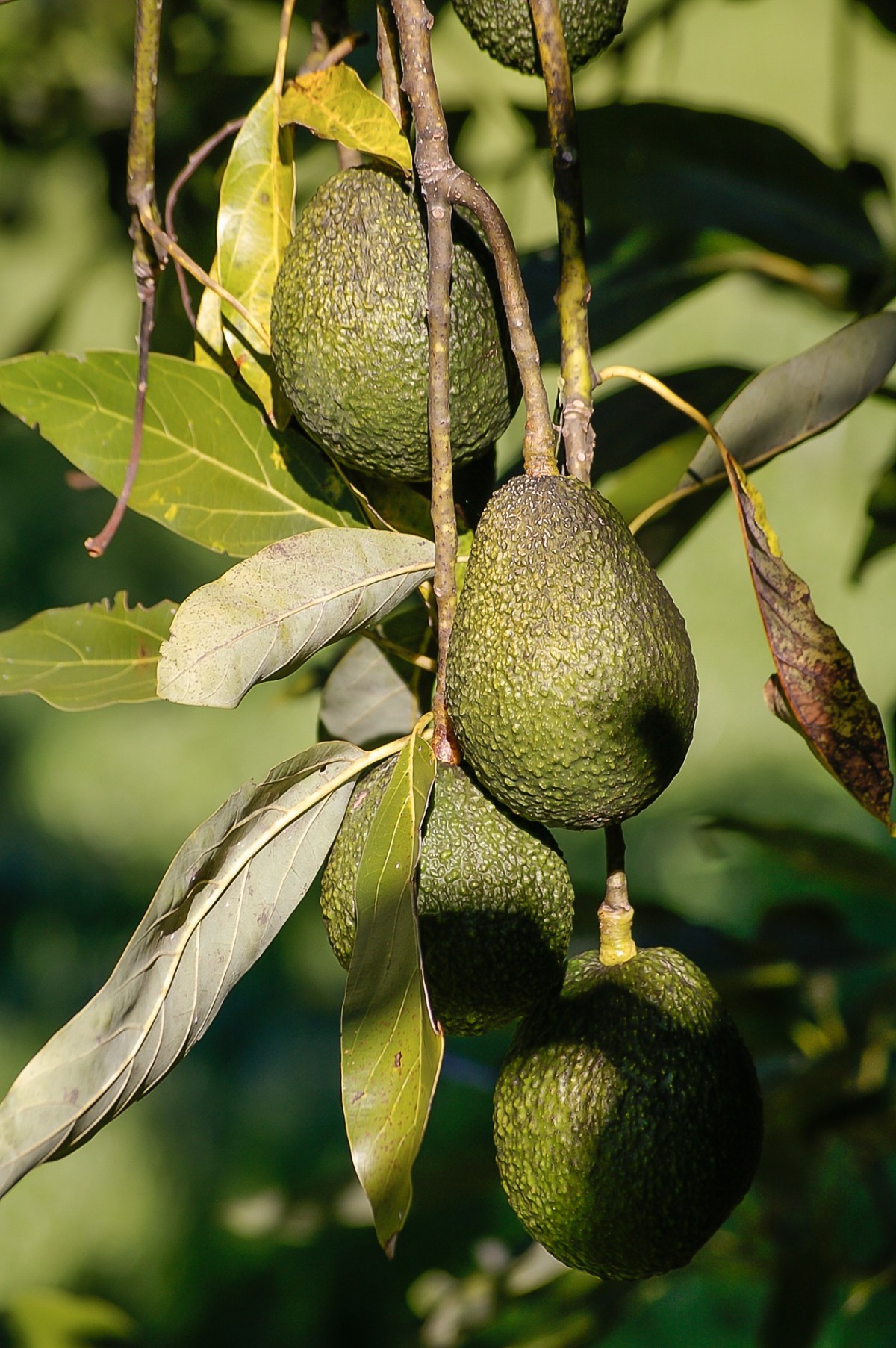
Avocado toxic or not for dogs and why, avocado in dog diet safety concerns / First published on Perfect cocker spaniel blog / Image by sandid from Pixabay

Q&A | Avocado: yes or no?

I receive so many questions about avocado in dog’s diet, so I thought I’d share it here since yesterday was a #nationalavocadoday.

Lately avocado was said to be safe for dogs. However before you go head think of the following…

… avocado contains persin, a toxic substance found in the skin, right under the skin, in the stone and the bark of avocado;
… the LIGHT green flesh of the fruit is low in persin, however it is difficult to ensure that the light green won’t be mixed with the DARK green flesh found under the skin of the fruit, thus increasing the risk of poisoning;
… if a dog has avocado he’s likely to have upset stomach or vomiting;
… in addition the stone can not only be more toxic if crushed by a dog, but also get stuck in the throat or digestive tract, which can be fatal;
…high fat content of avocado can increase risk of pancreatitis.

Personally, I would not risk it. I also do not believe that something that was once deemed very toxic for pooched was suddenly given a green light. It feels more like a trend, not something supported by research.

Photo source: image by sandid from Pixabay