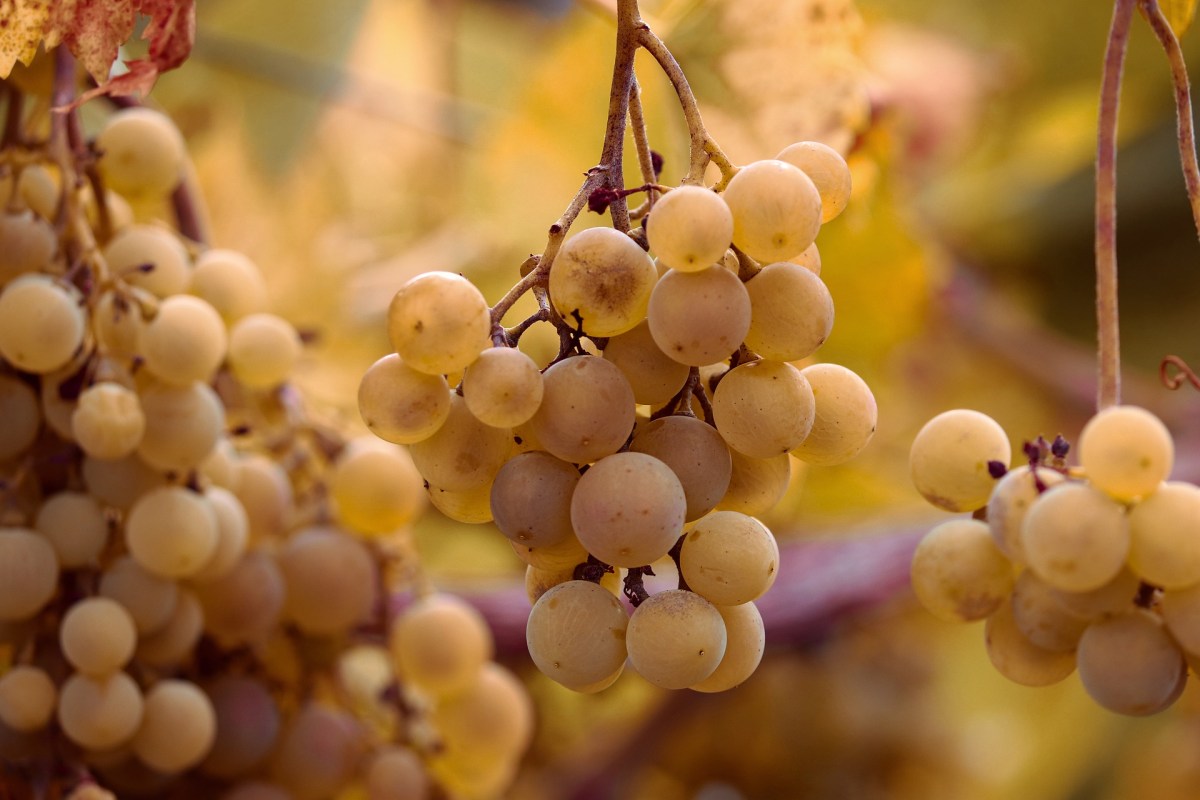
Toxic ingredient substance in grapes that causes poisoning and kidney damage in dogs / grapes, raisins and sultanas toxic to dogs / nutrition for cocker spaniels / canine nutritionist UK / pet nutrition coach online / Perfect cocker spaniel: dog blog, book, spaniel grouping, puppy tips, diet information articles (C) Natalia Ashton

This substance in grapes may be the cause of poisoning – and found in your pantry too

Grapes are toxic to dogs. It’s the fact that most dog parents know about. The fruit is so dangerous for the pooches that eating grapes (19.6g per 1kg body weight), raisins or sultanas (2.8g per 1kg body weight) can damage the kidneys and be potentially fatal.

The exact mechanism of poisoning is still unknown and so far it has been linked to mycotoxins, heavy metals, pesticides, excessive amount of glucose in grapes, and even vitamin D.

And now there have been a breakthrough that may actually explain the cause of the problem.

According to a letter published in the April 2021 issue of Journal of the American Veterinary Medical Association, the dogs may be reacting to tartaric acid also known as potassium hydrogen tartrate. The lightbulb moment happened when a dog ate some home-made play dough containing cream of tartar (a common pantry ingredient obtained as a byproduct of wine making and used as a baking ingredient) and developed symptoms similar to the ones caused by grapes.

The group of veterinarians who dealt with the poorly dog and  analysed the ingredients of his eaten “trophy”, reported the link to the JAVMA adding that grapes are one of the unique fruits (tamarind is the other one to think of) with high quantities of tartaric acid / potassium bitartrate – the substances that have been known to cause sensitivity reaction and poisoning in dogs in the past.

More research will be needed to confirm this theory. Until then, keep your dog away from grapes and remember to check dog treats and recipes for the cream of tartar because it is often used as a raising agent and flavour enhancer in dog biscuits. And if you love your Palvolva, you’d often use cream of tartar to achieve extra fluffy meringue and super voluminous whipped cream, so remember to never let your dog pinch those either.

what treats are best and worst for dogs? how much and many treats to give a dog a day? simple tips about dog diet from canine nutritionist / perfect cocker spaniel (C) english cocker spaniel dog blog, puppy tips, health, grooming, nutrition and healthy eating advice

Treats: the best, the worst, and the know how

I cannot imagine a pup parent who would not give their dog a treat. Unless it is absolutely forbidden due to medical reasons or spartan lifestyle (which, let’s be honest, is not really common among cocker spaniel families), all dogs get a little something special every day to express love, improve training, bribe them (again, I am simply keeping it real) or simply because they absolutely nailed the sad look.

To treat or not to treat? That is the question. And if you do choose to indulge your pooch, the list of questions turns into a puzzle…

What treats to give? Which ones to avoid? How many? How often? When? What if? And suddenly a simple moment of pleasure becomes a nightmare… So today we are going to talk about making this experience a joy for both you and your spaniel, just to make life easier…

The good news is that treats can be definitely on a menu for most dogs, and you should not feel guilty about including them in your spaniel’s diet. I personally think my boys would become depressed if I suddenly stopped making dog biscuits, or refused a little bit of yoghurt that they love to the point of ecstasy.

On the other hand I am fully aware of what I can and cannot do when it comes to treats to keep things in balance and avoid potential problems. And here are a few important pointers…

… keep the quantities of all treats under 10% of your dog’s daily calorie amount. You can count the calories yourself, but it is easier and more precise to contact customer care of the pet food company you buy the main food from. They will give you calories per 100g of dog food, so you can then calculate your daily total and what the 10% number would be.

… remember that just because your dog can have 10% of calories in treats does not meat you must meet this amount or put it all into a single type of treat. For example, an average raw carrot or massive cucumber can generously fit into 10% but feeding so much carrot or cucumber in addition to main diet may cause fermentation in the gut, bloating and upset tummy. Feeding almost 100g of natural yoghurt (which is also about 10%) may either tip over the balance of fat or lactose, and cause either weight gain (in first instance) or tummy problems (with the latter). So it is best to create a range of treats to include a variety of food groups – a handful of regular kibble, a couple of biscuits, 1-2 tsp of natural yoghurt, a slice of cucumber or carrot and a slice of fruit or a few blueberries, for example.

… if you feed over 10% you are likely to face a few issues from excess weight, changes in appetite, skeletal problems due to faster development or bloating or diarrhoea because of the higher volume of food, specific ingredients or excess of certain nutrients.

… be very cautious when giving treats to a growing puppy. This is such a crucial stage that reducing main food can lead to imbalance of vital vitamins and minerals, and imbalance of proteins, fats and carbs can affect his weight, bones, cause runny tummy or make your pup gassy, or may even alter his behaviour. It is always best to use main food as food and training or stuffing treats with a couple of extra special high value rewards (think puppy biscuits or carrot slice etc) thrown in when/if needed.

… if you choose to give raw or dehydrated treats, you potentially put your dog at risk of serious, very serious health problems.

know your ingredients by checking the label on every treat you get for your cocker, and checking every company to ensure they are PFMA-registered.

… store the treats correctly. Biscuits would normally last for a week or so in a beautiful pet treat jar, and any chopped raw veg, eggs, chicken pieces or occasional desserts should be refrigerated and eaten within 2-3 days.


Image credit: photo taken by me

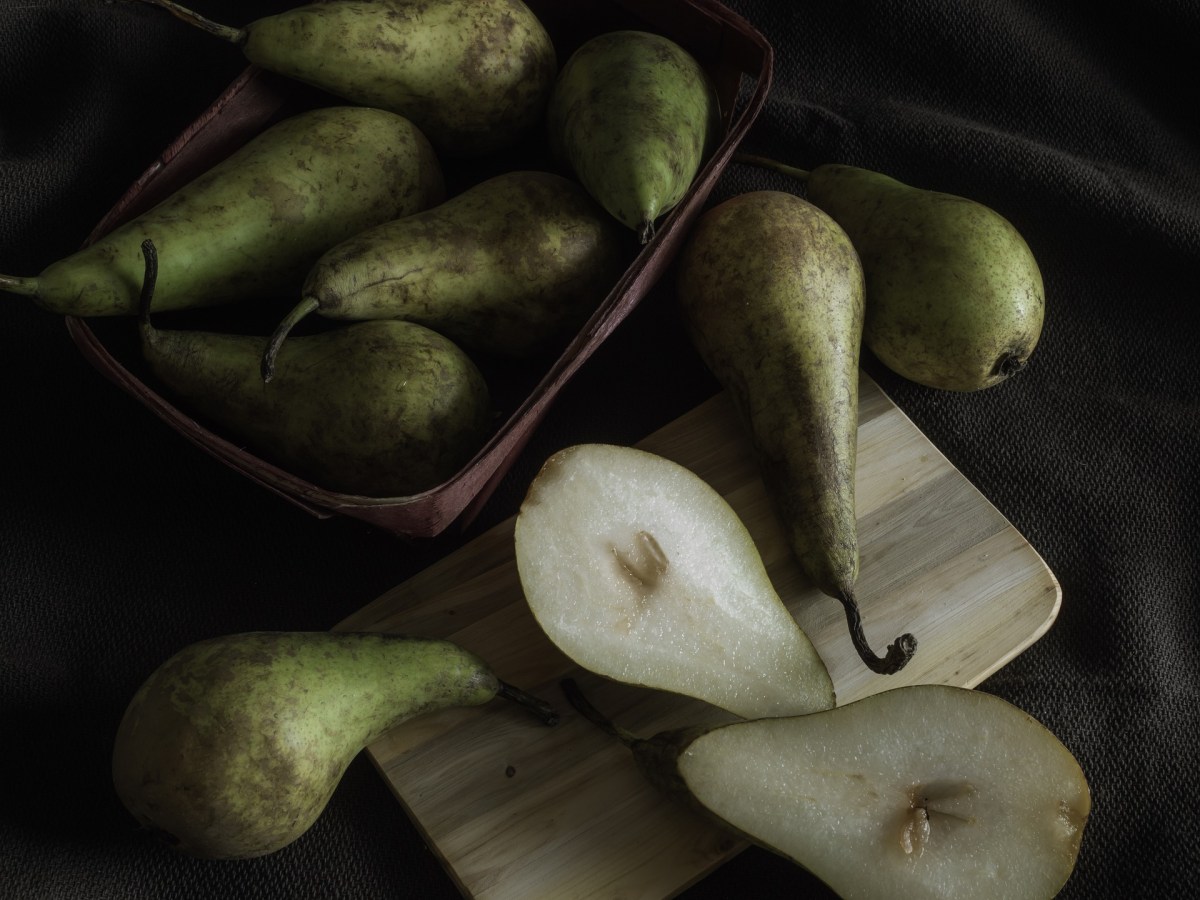
Can dogs eat pears? Canine nutrition and diet questions answered / animal nutritionist nutrition coach / pears in dog's canine diet nutrition value & benefits / perfect cocker spaniel dog blog / english cocker spaniel diet, nutrition, grooming, care, training, behaviour, puppy tips (C) Natalia Ashton

Can my dog eat… pears?

Carrots, apples, blueberries… more often than not these fruits are on top of the snack list for most canines. But what about pears? I have recently got into the habit of giving my boys a small slice of pear every morning, and the pups seem to love it so much, they give me a look of betrayal if I forget about the treat.

I’ve always knew that pears (but not the seeds) can technically be given to dogs, yet I have hardly seen anyone feeding the fruit to their cockers. Sounds odd, doesn’t it?

And if you like pears as much as I do – and clearly as much as Coop and Fred do – sooner or later you’ll end up asking yourself…

CAN OUR DOGS EAT PEARS?

YES! They absolutely can!

Pears can be such a wonderful addition to the menu if your spaniel enjoys the taste. First of all, pears are a source of fibre, quite a bit of fibre, actually. A human serving of fruit provides 6g of it. And the fibre will keep your dog’s digestive system functioning, help to clear out the toxins, maintain healthy anal glands and may even reduce the risk of some cancers. According to animal studies, eating pears also reduced formation of ulcers in the gut.

In addition, pears are full of water to maintain hydration.

Nutrient-wise, the fruit is known as a source of vitamins C and K, and minerals potassium and copper. Thus eating pears may support the immune system, blood clotting, healthy heart and blood pressure, haemoglobin levels, maintenance and production of collagen and elastin for healthy skin and tissues, and bone formation during the growth stage. Human studies also documented an ability of pears to reduce the risk of type-2 diabetes.

100g of pears also contain between 27 and 41g of phenolic compounds (antioxidants, in other words) including anthocyanins – a type of pigments that give bright fruits and leaves their colour.

The amazing thing about these flavonoids is their ability to protect the body from oxidative stress and, as a result, control and reduce the risk of inflammation and chronic illnesses. In humans, anthocyanins may also reduce the risk of Alzheimer’s while in animals they have been shown to slow down the speed of age-related cognitive decline.

When studies looked into aging dogs, they noticed that dogs on a diet containing anthocyanins could complete complex tasks much better than “controls” and when the diet was combined with mental stimulation the participants improved greatly within two weeks. The animals were also more agile and eager to play, which could have something to do with the antioxidant’s anti-inflammatory effect.

The bottom line – include pears in your dog’s diet whenever you get a chance. Just remember, the high water, sugar and fibre content can work as a laxative, so moderation is important.

Introduce gradually, starting with a tiny bite-size piece and gradually building up to a thin slice (for an average cocker).

Photo credit: Marjatta Cajan via pixabay