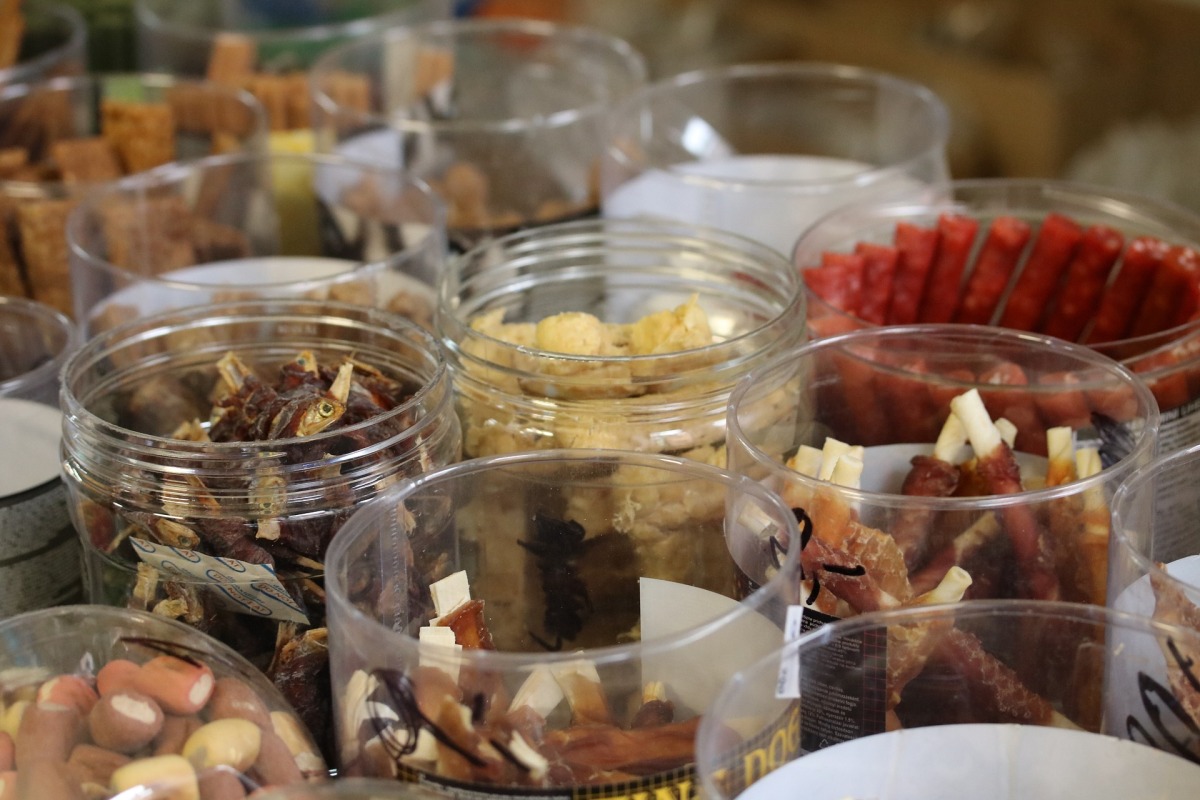
how to choose best natural treats and training treats for puppies and dogs / puppy tips and advice / first published on Perfect cocker spaniel blog (C)

Your cocker will love these good-for-him treats

“What do you feed your dogs with?” is one of the questions I’m asked at least once a day. I don’t usually advise on the choice of dog food because I believe in individuality and the choice of dog food should depend on your dog, his health, age, gender, activity and preferences, and discussed with a knowledgable vet (though I’m more than happy to chat about different brands, ingredients and types of diets)

Treats are a bit different. They are something I give to my boys in addition to their meals – because if I don’t, they will queue in the kitchen forever…  I thought I’d put all our favourites in one post in case you’ve been curious but felt a bit shy to ask.

Remember that any new food must be introduced gradually, these foods below are suitable for healthy active dogs without any diagnosed health problems, any health issues you’re aware of or dogs who take any form of medicine, prescribed drugs or supplements. If you’re in doubt, always check with your vet!

The list below is condensed, but I’ve put a lot more info in my book Perfect cocker spaniel.

DAILY my boys have…
… home-made biscuits;
… natural yoghurt / kefir (they love the taste, plus it’s a tiny dose of some B vits, calcium, magnesium, and good bacteria);
… raw manuka honey (not suitable for dogs under 12 months of age. Full of minerals, antibacterial agents and yummy taste);
… raw organic virgin coconut oil (for fab fatty acids and antibacterial properties);
… raw dried sweet potato (makes a great chew, packed with beta-carotene, B vits, vit C, magnesium, calcium, iron & fiber;
… whatever is in season and always – organic. I limit the quantities to a couple of slices for cucumber/carrot, 1-2 strawberries or 4-5 berries like blueberries. Boys have one option per day, not a salad!

ONCE A WEEK pups also have…
…. a hard boiled egg, usually we use it for training;
… cooked plain chicken or turkey, again it’s a high value training treat;
… salmon (two very small pieces, just as a little treat);
… passata (2tsp, plain passata free from salt, herbs or any other flavorings. It’s not so much for the vitamin value but to keep the plaque away)

What is your dog’s favourite treat?

Photo source: image by katerinavulcova from Pixabay
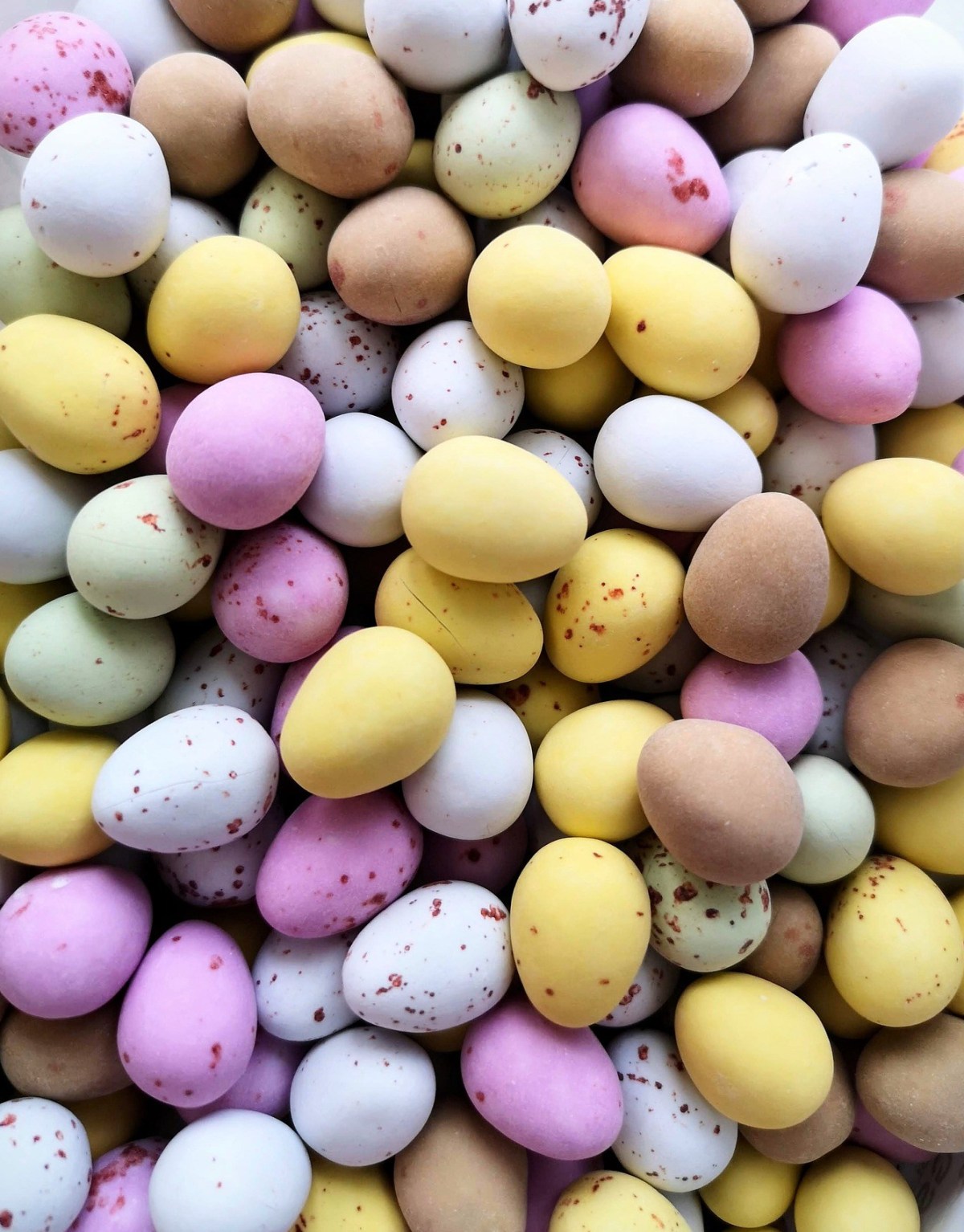
Easter chocolate toxic poisoning for dogs / signs of chocolate poisoning / what to do if dog ate chocolate / first published on Perfect cocker spaniel blog (C) Natalia Ashton

Easter chocolates & your dog

Chocolate-filled weekend is coming, so I wanted to write a little post about chocolate poisoning (that’s the spirit, right?)

Most people already know that chocolate is toxic for dogs. The darker the chocolate, the less of it is needed to make your dog ill.

White chocolate is not as dangerous as the milk and dark varieties because it contains practically no theobromine (about 0.75mg per 100g vs 1600mg per 100g of cooking dark chocolate). However, white chocolate can still cause diarrhoea and vomiting due to high fat content.

Signs of poisoning can take up to 12 hours to appear and may take up to several days to clear up.

Signs of chocolate poisoning include…
…vomiting
…diarrhoea
…heavy breathing
…increased heart rate
…increased urination
…anxiety and restlessness
…muscle tremors
…seizures
…sudden death

If your dog ate chocolate, take them to the vets immediately. Tell the vet how much chocolate was eaten. Take the wrapper with you for extra information. The vet will stimulate vomiting using hydrogen peroxide and give the dog activated charcoal tablets to absorb theobromine (do not try to do it at home unless you know how!)

Avoid the risk by keeping any form of chocolate out of your dog’s reach. Remind your guests and kids not to give your spaniel any chocolate-containing treats.

Carob is a chocolate-like ingredient that can be given to dogs. If you choose to buy carob dog treats, always check the label for unwanted ingredients such as sugar, derivatives of animal or vegetable origin, milk, unspecified fats and oils, just to name a few.

Better still, stick with super safe and nutritious options like carrots, eggs, yummy cooked chicken or dog biscuits. Trust me, your cocker will not complain!

Photo source: image by Vratsagirl from Pixabay

Fred, 2 months old chocolate and tan english cocker spaniel puppy / how to help puppy settle in new home / first puppy tips and advice / first published on Perfect cocker spaniel blog (C) Natalia Ashton

Q&A | How to help a puppy settle in his new home?

I may be rubbish at many things but helping my new pups feel happy at their new home is something I’ve never had problems with.

As a list-obsessed person I’ve come up with a set of my own rules. Tick-done-tick-done. Works every time. There are no crying puppies in this house.

And here it is…

… create a calm and cosy house to come to;
… get a toy or puppy blanket from the breeder with the scent of mum & litter mates;
… get a safe & snuggly cleanable bed that pup can’t destroy (plastic ones are best, use VetBed & puppy blankets to make them warm & comfy);
… allow the pup plenty of time to sleep & relax;
… use the food & feeding schedule given by the breeder;
… share the room/bedroom with the pup to start with;
… allow puppy to explore his new home, but limit him to 1-2 rooms for the first few weeks;
… explain puppy do’s & don’t’s to the kids;
… don’t invite visitors for the first few days (even better, wait until the quarantine is over);
… don’t hesitate to phone the breeder for help & advice.

Got any puppy questions? Just ask!

Photo source: Fred, photographed by me