How to train your dog positively, study research, tips / perfect cocker spaniel / english cocker spaniel training, grooming, advice, puppy / world kindness day blog post / (C) Natalia Ashton / dog paw in human hand photo

Having a dog without regrets

What do you write about after sharing a post dedicated to the dog you miss so very much? Honestly, I tried to sit down and string a few words together, but it simply did not work…

Then, a few days ago I came across a survey done by Sainsbury’s Pet Insurance. According to the findings over 50 per cent of Southern dog (and cat) parents did not research the breed of their puppy before getting one, and only 21 per cent spent more than a week (a week, seriously?!) to find “the right breed for their lifestyle”. Worse, every sixth pet parent had regrets of getting a dog of that specific breed.

Think how many dogs you would normally meet during a walk with your pooch? Now imagine that every sixth dog is actually a burden to the person who walks him at that very moment – and try not bleed inside your heart.

For me, my dogs are my life. And I admit, I am, by my own admission, really is all about my dogs. I live and breathe for the happiness of my boys and feel terrible if I believe they didn’t have a good enough day (by my standards). I am not perfect at all, but I do everything I can – and a little bit more. No matter what.

As somebody who spent years researching dog breeds, reading books and attending courses to learn about taking care of a puppy, I simply cannot fathom how it is even possible to decide that one is ready for a dog and knows enough about a dog after a week of “research”… And then proceed by getting a puppy – not a fluffy toy, but an actual living being who needs his human mum to help him live, learn and thrive!

I’ve seen those people. I did. And I helped a few, too. Not because I cared much for them, but because I cared too much for the little pup who ended up in a household that was totally unprepared for him or her.

Do you ever wonder why we still have the heartbreaking reality of puppy farms? This is a good example how and why these disgusting businesses flourish. Every day they offer pups to these “owners” (because I cannot even refer to these people as “parents”) who visit them to get a dog without knowing much simply because they felt like having a puppy here and now, or choose to buy a puppy in a pet shop while stoping for coffee!

These are the people who end up with a dog suffering from illnesses or psychological problems. These are the people who had every chance of giving that puppy a wonderful  life, but instead give him up as an unwanted regret.

I tried to stay “cool and content” and find reasons to justify these people’s actions. I went online looking for opinions on forums and social media looking for solid reasons of regret… The truth was painful to learn:

“I didn’t realise dogs are such a hard work…”

“I am so annoyed because I cannot travel now like I used to…”

“He is such an inconvenience…”

“He chewed my furniture and went to pee all over the house…”

“He pulls the lead so hard, I can’t walk him, so I decided to rheum…”

“Having a dog is so expensive!”

“I only realised this breed wasn’t for me after I got a puppy…”

“I live in a cream house but this dog makes it dirty and leaves hair everywhere…”

“I can’t sleep at night because he keeps crying in the other room…”

“I feel stuck with him for years now…”

There were very, very few exceptions who had regrets because they were seriously ill, injured or suffered from severe allergy. Ironically, this group of people actually did their very best to try and keep the dog no matter what.

How can I possibly stay indifferent to this situation if it shows that the nation of dog lovers is clearly lacking the three fundamental pillars of dog parenthood: knowledge, commitment and responsibility? And worse, do very little to improve on any of these?

You may notice I did not mention love… I believe it’s important but love is nothing if it does not inspire you to become a better person, a better pup parent – and learn, learn everything you can before and during your life with one of the most wonderful beings we ever managed to tame… yet forgot the obvious “You become responsible, forever, for what you have tamed…” from the Little Prince. But then how many of those people would even read Exupéry?

And since this wonderful author also said that “a goal without a plan is just a wish”, here are a few things everyone who dreams of having a cocker spaniel puppy should read as the essential minimum before they even launch their search for the dream dog… As the very first step to make sure that every dog is wanted… now – and forever, for the rest of his life and beyond.

Misleading facts about English cocker spaniels you need to know

How to find a perfect cocker spaniel puppy

How to find a cocker spaniel puppy online and avoid puppy farms

Why is it so important to ask a breeder about health tests before choosing a puppy?
5 good reasons to have a cocker spaniel puppy

Perfect cocker spaniel: the ultimate guide to the breed including puppy guide, tips on grooming, diet, health, training and more

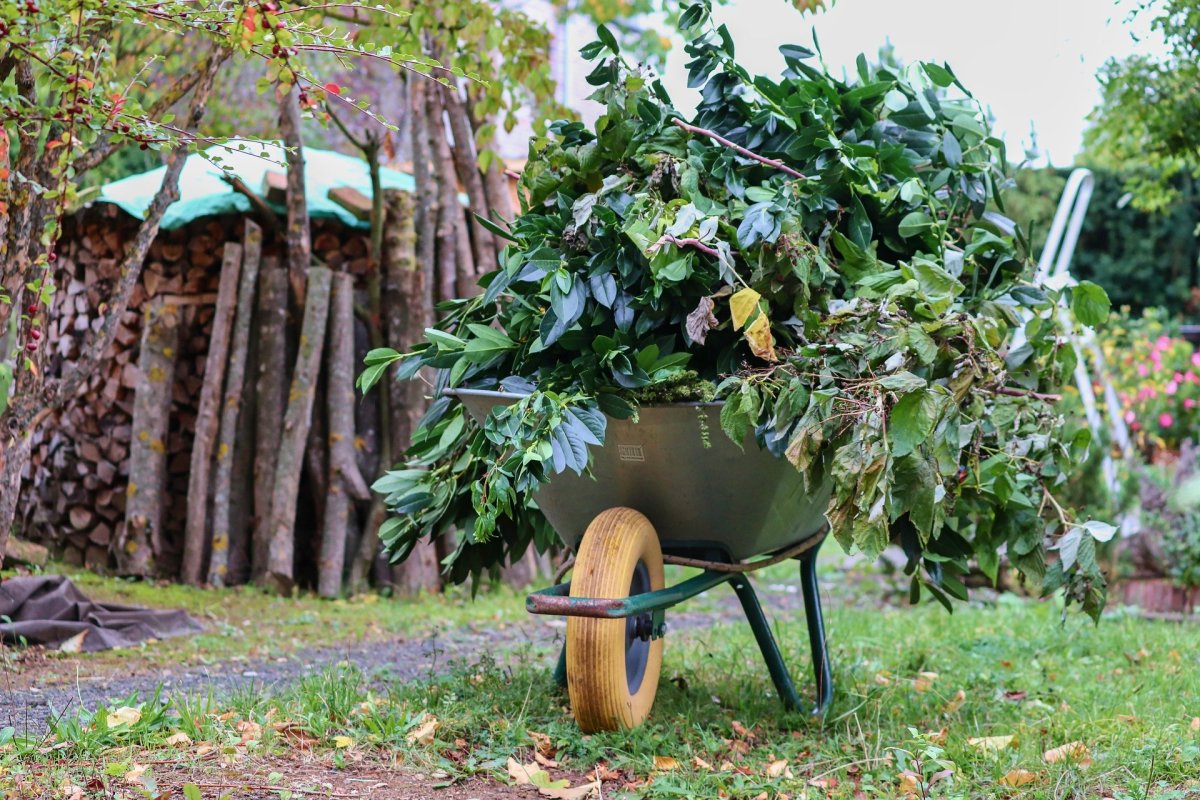
How to garden when you have a cocker spaniel puppy

Do you love gardening as much as you love cocker spaniels? So do many cockers… One of the most agricultural breeds out there. The only problem is that the dogs see the process in their own rather unique way. They love to prepare the soil, remove excess growth and replant things that look to enticing to them.

Oscar was the one who educated us on the subject of this special love. We puppy-proofed the garden before his arrival but obviously our efforts were based on a regular dog – not a cocker. As soon as Ozzy acclimatised and blossomed, he decided to apply his own gardening rules to the handkerchief space we created.

The pretty carnations and primroses were murdered on a cream sofa, the grass was pulled out seconds after my husband lovingly planted it and a few little trees had to be bandaged in a pathetic attempt to salvage them.

But I think the moment I’ll never forget was “the night of digging”.

One evening we started on a new flower bed, but had to stop as the rain approached. We run into the house only to see Oscar running in the opposite direction, sort of a slow motion moment from a horror movie that you can’t do much about. We froze as our little cocker jumped into the soil and started digging a massive hole in a manner of escapist finding his way to Australia… Moments later our golden spaniel was completely black.

The bath and blow dry took ages. I was relived to finally have my fluffy pup back before me and felt like having a cup of tea and relaxing. Unfortunately, Oscar had a plan of his own. As soon as he was near the garden door, the determined pup pushed it wide open and…jumped into the hole he made that was now filled with rain water and mud.

To keep the story short, he had another wash and blow dry – and we completely remodelled the garden the next morning feeling somewhat grateful that the space was rather small. The lesson was learnt.

As the spring is returning and we all end up spending more and more time outside, I wanted to put together a little guide about gardening with your cocker spaniel.

I have two reasons for it. Your sanity. And your dog’s safety. You need to be able to enjoy the outdoorsy life and the pup needs to be able to join you without potentially hurting himself by either eating a poisonous plant or swallowing a stick.

How do you ensure that your garden stays as beautiful as possible when you have a cocker spaniel?

How to stop dog digging garden / English cocker spaniel puppy training tips / breed and puppy guide dog book /

Start before your puppy is even here by dog-proofing the garden. Lift pots, raise flower beds, remove potentially dangerous plants whenever possible, create temporary barriers to stop the puppy from getting too close and personal with the rest of the flora.

Introduce temporary “fence” to protect the plants and flower beds. We used panels for a modular puppy play pen: assemble them into a shape you need using provided pins and secure the “wall” to a few wooden stakes.

Do not leave your puppy unattended.

Teach your cocker to “leave” and “spit”

Use the garden as a play spot. Make the little spaniel focus on your and the toys until he becomes completely indifferent to the plants.

Fred, chocolate and tan English cocker spaniel puppy, perfect cocker spaniel breed and puppy guide book, Natalia o dog blog

Give your dog plenty of toys and chews to focus on.

Make sure that he gets enough exercise and mental stimulation to keep him happy and prevent zoomies as he is most likely to dig the garden when he’s overaroused, under-exercised or anxious.

Provide shelter during hot weather because some dogs would dig a hole to create a cool down spot.

Keep rodents out because a cocker can sniff them and start digging as a results. Use ultrasound deterrents and patch the holes – avoid poisons as it is both inhumane and can be life-threatening for your dog.

Do not plant or prepare the ground in front of your puppy. He will do his best to investigate everything you’ve done as soon as possible!

how to stop dog cocker spaniel digging garden and destroying plants / perfect cocker spaniel breed and puppy guide, dog book

Personally I have no problems with my pups eating the grass, but I taught mine to go and search for the types they liked the most. For example, Fred and I go to “find a dandelion”. It creates a bit of fun for both of us and he somehow focuses on this game and the plant, and leaves the rest alone.

And whatever happens, please do not ever punish your dog by shouting at him (or worse). Do not use chemical solutions, water sprinkles or any “scarecrow”-like objects to frighten him either.

how to puppy proof garden / Cooper red sable cocker spaniel puppy / perfect cocker spaniel best book breed puppy guide about English cockers / Nata

Remember that in most cases this is just a stage of puppyhood and your little cocker is simply exploring his surroundings to learn the ropes of life. As he gets older, the spaniel will no longer perceive the garden as a place to explore but will appreciate it as a spot to relax and watch the world go by.

You may also be interested in a post about things that can be potentially dangerous for a dog in spring and summer. And for more tips about puppy-proofing, garden hazards, and raising and training a puppy, get a copy of Perfect cocker spaniel guide.

Photo credit: Fred and Cooper photographed by me, other images via Pixabay

How to protect and puppy proof christmas tree from dog / Perfect cocker spaniel pet blog / English cocker spaniel book, puppy advice, tips, cocker grooming, hand strip, diet, training tips, cocker spaniel puppies / (C) Natalia Ashton

Q & A | How to protect the Christmas tree from my cocker spaniel puppy?

This was one of the most popular questions I had to answer since the beginning of December, so I thought we need to have a proper conversation about puppy-proofing the Christmas tree.

Christmas trees and cocker spaniels can live in utter harmony most of the time. Admittedly, we never had to worry even though my boys have always been inquisitive about things. Thankfully, Christmas trees were never on their list of objects to explore. I guess they thought that it was just another piece of furniture that we chose to add to the house decor.

On the other hand, and after I was asked the question, there were things that I’ve always done on subconscious level or perhaps because I tried to perceive the tree from the dog’s point of view – and it helped me to avoid any disasters.

And this is why I made the list to document my actions in one place…

Put the tree in a room that your dog won’t be able to access if you have to leave him on his own. Putting a puppy playpen around the tree may stop some cockers, but many dogs will just force their way through any barriers because the prize is way too good to ignore!

Fake it! Choose an artificial tree over the real thing. Just think how tempting a fir tree would be for your pup who lives to sniff and chew! Boys may even mark it… because it’s exactly the same as the  “message boards” they use outside!

Additionally, fir needles contain oils that can irritate the mouth and digestive tract and cause drooling, vomiting and upset stomach. Your cocker cannot digest any needles he swallows, which can lead to additional digestive issues and even stomach punctures. If your dog walks over them, the needles (especially old and dry ones) can cause anything from a mild irritation from the prick to an injury.

Another thing to bear in mind when it comes to the real trees is the water – it can become stale, contain chemicals and oils from the tree and “special solutions” such as pesticides, preservatives and aspirin, which are toxic to dogs.

On the other hand, an artificial tree is not that fragrant even from the canine prespective and is relatively safe unless your pooch chooses to pull the entire arrangement down for the fun of it.

Talking of the latter… Give your dog some time to get used to the tree. Put it up, make sure it’s sturdy and then leave the tree without any decorations for a couple of days. Do not attract your dog’s attention to the tree when installing it. Do not ask him to come and look at branches or sniff it. As soon as you begin to fuss over “the new thing”, it will become something enchanting for your cocker.

Inspect your artificial tree for loose needles and brittle brunches. Some materials can become fragile with age and if they fall off and get swallowed by your dog, the pieces of plastic or metal can be harmful.

Decorations need to be chosen wisely, especially if your cocker is still young. When my boys were puppies I made sure to avoid putting any bubbles onto the bottom brunches and always picked plastic, metal, paper, fabric and unbreakable “glass” decorations if they were within my boys’ reach. They never tried to steal them – it’s was my cautious paranoia that made me do it.

Some dogs do find baubles interesting: the toys move at the slightest draft, they are reflective and sparkling, the pup can often pick the changes in light when staring at them, and they look like his favourite balls… begging to be stolen and thrown around!

The only way you can decide how to avoid any potential disasters is to put a few baubles on the tree and observe your cocker carefully from nearby. If he shows too much attention, reconsider the decor. If his curiosity is mainly to do with the novelty of the object, use the “leave” word and make him forget about the tree decor completely by playing together or doing some training in the “tree vicinity”.

Also most definitely avoid tinsels unless your spaniel is completely oblivious and indifferent to the festivities. Tinsel can cause digestive blockages and injuries when swallowed, so it’s best not to use it.

Make sure that the tree lights are off if you cannot supervise your dog and the tree and there’s a slight chance that he may bite into the cable.

Last but not least are the edible decorations. Chocolate “baubles” and “stars” are toxic to dogs. Spicy cookies can cause diarrhoea and vomiting, and some may contain toxic raisins. Dried fruits may also upset digestion. And just imagine what any normal dog would do if you embellished the tree with any dog biscuits and treats… He is not going to just camp under the branches, that’s for sure.


For more useful tips on having the most wonderful peaceful Christmas with your cocker spaniel read my Dog friendly Christmas check list post.


Photo credit: image by Gerd Altmann from Pixabay