why dogs do not need to eat cheese / cheese can be toxic to dogs / bad and good cheese for dogs / puppy tips and advice / english cocker spaniel blog / first published on Perfect cocker spaniel (C)

Let’s talk about cheese

Cheese is like ice-cream… It’s a delicious sin, so scrumptious and tempting that some people would rather say they don’t like it than confess their love…

A lot of people share both with their dogs. Ice-cream is given as a sweet express ticket to cocker’s heart. It works, it’s definitely not brilliant for dogs health, but like any treat, is an occasional affair.

Cheese, on the other hand, is different. Even books advise on using cheese as a high value reward making it a daily necessity for any successful training.

As a self-confessed bore (and cocker mum) I disagree with such a statement.

Cheese, after all, is not as dog friendly as it’s portrayed. Personally, I never give it to my boys (with an exception for home-made tvorog (a Russian version of German quark) that suits young puppies)

Let’s be fair, I have my reasons…

Cheese is dairy & adult dogs would find it hard to digest it due to lower levels of lactase, an enzyme that breaks down lactose.

Cheese is high in salt, which can cause problems because you can easily overdo the recommended amount.

Cheese is very high in fat, which can increase risk of pancreatitis and unwanted kilos. Cockers are prone to both – why play Russian roulette with luck?

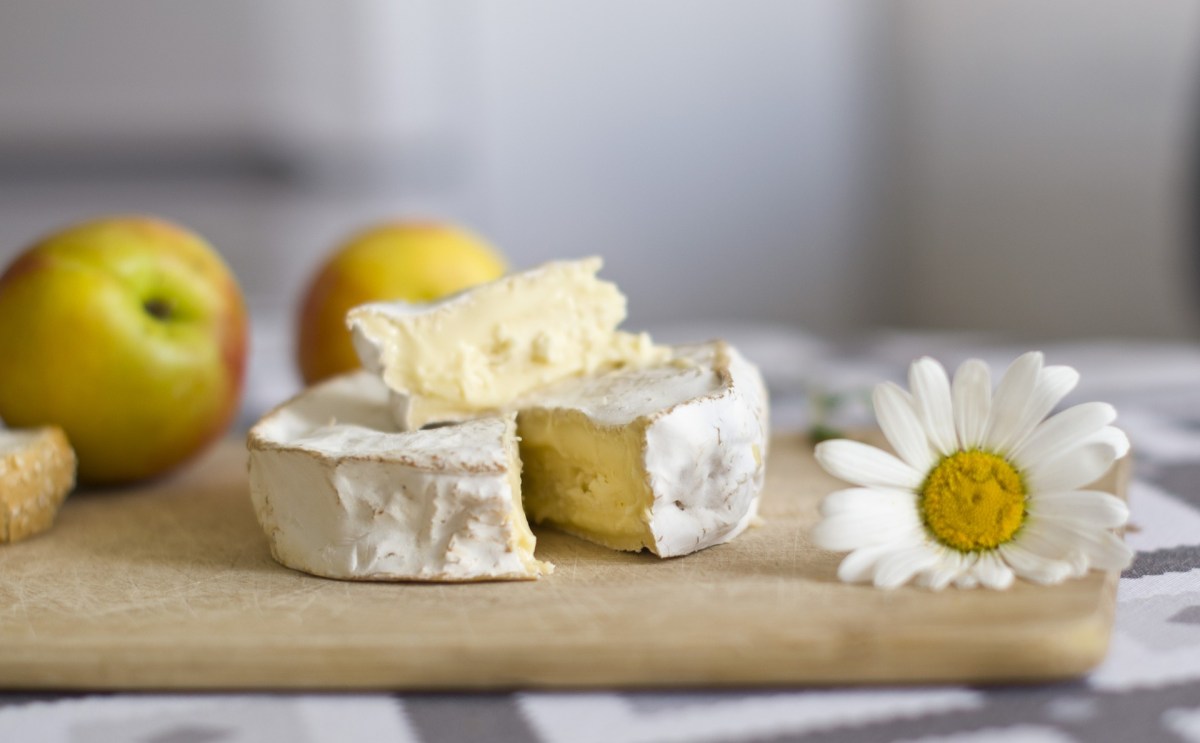
Cheese, the mouldy & gooey types, are extremely toxic to dogs & eating them can be fatal.

Cheese is an extremely concentrated source of calories, so what seems like a tiny piece to you is likely to cover your dog’s daily calorie needs (I’m exaggerating but you get the idea)

Cheese made with cows milk, unless it’s organic, can contain pesticides, antibiotic residue & even traces of puss.

Cheese, especially the strong types like cheddar, contains an amino-acid tyramine that can reach dangerously high levels (and lead to critically elevated blood pressure) when consumed with food by dogs taking MAOIs, a type of antidepressants (sold as L-Deprenyl, Selegiline and Anipryl).

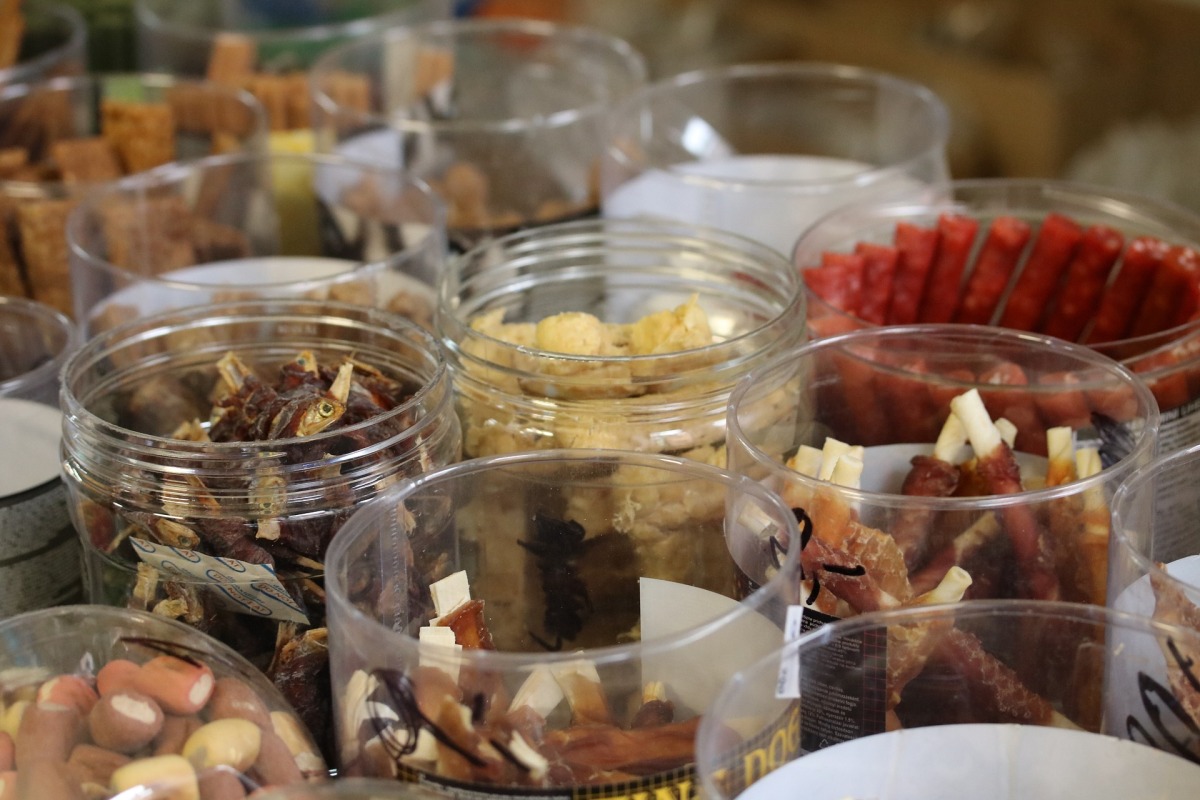
So skip the cheese if you care about your pup. Chicken, turkey, eggs, chopped air dried venison sausages, sprats and even your dog’s own kibble (whatever he’s insanely in love with, basically!) can work as a high value reward instead, keeping your cocker focused and giving you a peace of mind.

Photo source: image by Дарья Колмагорова from Pixabay
Water Wipes, best wipes for puppies / first time puppy advice and tips on Perfect cocker spaniel blog (C)

We Love | WaterWipes

I’ve discovered Water Wipes two years ago when preparing for the arrival of Fred. And now I can’t imagine being without them. I know, it’s #firstworldproblems but hey…

I use them to clean my boys paws after non-muddy walks (I’ve posted about importance of clean paws a while ago, so scroll down for a read)

They are indispensable with young pups – to wipe paws, bottoms & tummies

The wipes can work as a mild disinfectant for your hands during walks, on grooming surfaces, to wipe toys, or wee spots (after you clean them first, of course!)

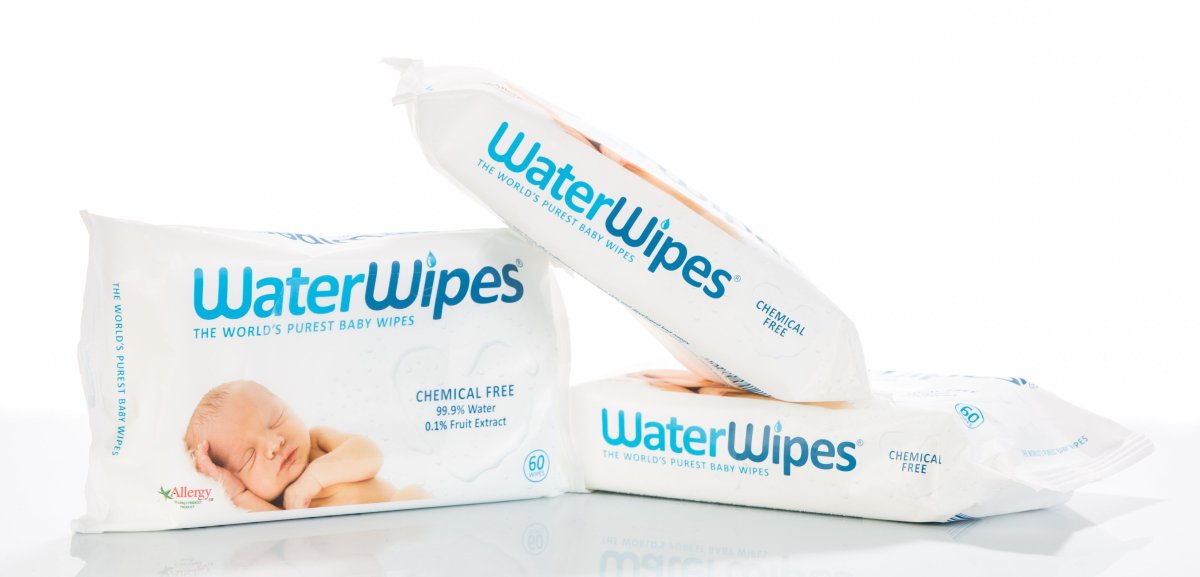
Unlike ANY other wipes, including the ones sold as “natural”, “organic”, “puppy friendly” etc, these are made with water and some grapefruit seed extract (it has antibacterial properties) only, so they are non-toxic & very unlikely to cause any sensitivity (skin or digestive) reaction in pups as opposed to any wipes made with essential oils, aloe vera, waxes, “odor neutraliser” (whatever it is!), preservatives, polysorbates, flavours, proteins (why?), polyaminopropyl boguanide, dimethicone, PEGs, triclosan, fragrances, parabens, zinc, SLS, DMDM hydantoin etc.

Yes, I like it simple. Because I love my dogs and I hate overloading their bodies with unnecessary chemicals, which ALWAYS carry short- and long term side-effects that go way beyond the skin reaction.

Brilliant product, absolutely brilliant.

This post has not been sponsored or gifted. I simply love this product.
Note: these aren’t biodegradable, so please bin them – don’t flush them down the toilet.

Photo source: Water Wipes UK

how to choose best natural treats and training treats for puppies and dogs / puppy tips and advice / first published on Perfect cocker spaniel blog (C)

Your cocker will love these good-for-him treats

“What do you feed your dogs with?” is one of the questions I’m asked at least once a day. I don’t usually advise on the choice of dog food because I believe in individuality and the choice of dog food should depend on your dog, his health, age, gender, activity and preferences, and discussed with a knowledgable vet (though I’m more than happy to chat about different brands, ingredients and types of diets)

Treats are a bit different. They are something I give to my boys in addition to their meals – because if I don’t, they will queue in the kitchen forever…  I thought I’d put all our favourites in one post in case you’ve been curious but felt a bit shy to ask.

Remember that any new food must be introduced gradually, these foods below are suitable for healthy active dogs without any diagnosed health problems, any health issues you’re aware of or dogs who take any form of medicine, prescribed drugs or supplements. If you’re in doubt, always check with your vet!

The list below is condensed, but I’ve put a lot more info in my book Perfect cocker spaniel.

DAILY my boys have…
… home-made biscuits;
… natural yoghurt / kefir (they love the taste, plus it’s a tiny dose of some B vits, calcium, magnesium, and good bacteria);
… raw manuka honey (not suitable for dogs under 12 months of age. Full of minerals, antibacterial agents and yummy taste);
… raw organic virgin coconut oil (for fab fatty acids and antibacterial properties);
… raw dried sweet potato (makes a great chew, packed with beta-carotene, B vits, vit C, magnesium, calcium, iron & fiber;
… whatever is in season and always – organic. I limit the quantities to a couple of slices for cucumber/carrot, 1-2 strawberries or 4-5 berries like blueberries. Boys have one option per day, not a salad!

ONCE A WEEK pups also have…
…. a hard boiled egg, usually we use it for training;
… cooked plain chicken or turkey, again it’s a high value training treat;
… salmon (two very small pieces, just as a little treat);
… passata (2tsp, plain passata free from salt, herbs or any other flavorings. It’s not so much for the vitamin value but to keep the plaque away)

What is your dog’s favourite treat?

Photo source: image by katerinavulcova from Pixabay